Reseña · 14 min de lectura · Actualizado 2026-08-06
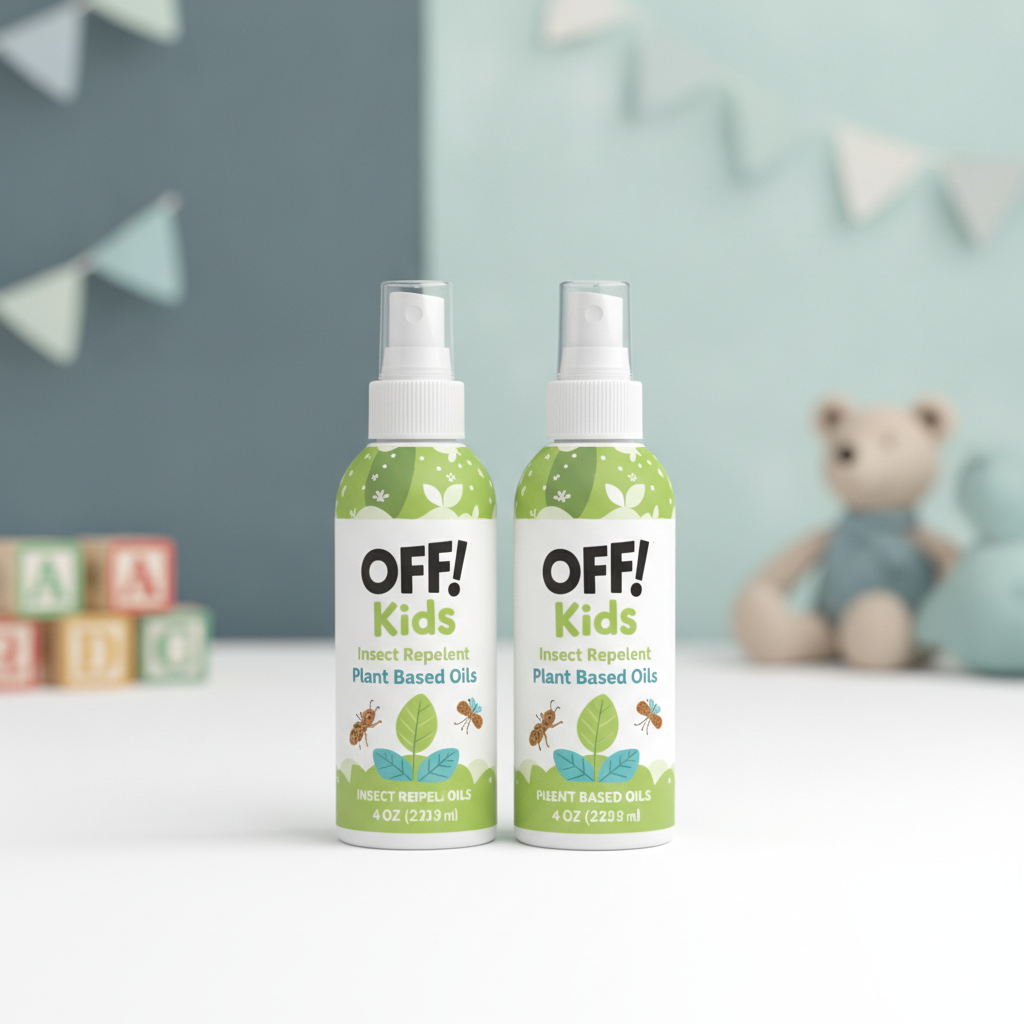
OFF! Kids Insect Repellent Spray
Best Bug Sprays for Kids of 2026: Effective & Gentle, Compared
¿Necesitas una reseña que no está en esta lista?
Cuéntanos qué necesitas—lo investigamos y te avisamos cuando esté listo.
Choosing the right bug spray for your child involves understanding AAP guidelines on DEET concentration by age, balancing effectiveness with gentle formulations. We cut through the noise.
Veredicto
Finding the best bug spray for kids in 2026 means prioritizing safety and efficacy according to pediatric guidelines, not just marketing claims. This guide is for parents seeking clear, evidence-based recommendations to protect their children from bites without unnecessary worry.
Understanding AAP Guidelines: What Concentration is Right for Your Child?
Navigating the world of bug sprays for children often feels like a minefield of conflicting advice. However, the American Academy of Pediatrics (AAP) provides clear, evidence-based guidance that simplifies the choice significantly, especially concerning DEET. Their core recommendation isn't to avoid DEET entirely, but to focus on appropriate concentrations based on age and exposure risk. For infants under two months, any repellent is generally discouraged; instead, physical barriers like netting over strollers are recommended. For children two months and older, DEET-based repellents are considered safe and effective when used correctly.
The AAP clarifies that higher DEET concentrations don't offer more protection, just longer-lasting protection. This distinction is crucial for parents. For short outings (1-2 hours), a 10% DEET concentration is often sufficient. For longer periods outdoors, particularly when mosquito or tick exposure is high, concentrations up to 30% DEET are deemed safe for children. Critically, concentrations above 30% offer negligible additional benefit in terms of protection duration and are not recommended for children. Understanding this allows parents to select a product that provides adequate protection without unnecessary chemical exposure, moving beyond the often-misleading
What to look for (ideal feature checklist)
Before you buy, use this CheeklyPicks checklist. Strong options usually clear most of these bars:
• Formulated for children's sensitive skin • Clear DEET concentration (or alternative active ingredient) • Non-greasy, pleasant application • Long-lasting protection (at least 4-6 hours) • Water-resistant (if applicable) • Easy-to-use spray mechanism • Free from harsh fragrances or dyes • Meets EPA registration standards
The Ideal Kids' Bug Spray: A Feature Checklist
CheeklyPicks guidance for The Ideal Kids' Bug Spray: A Feature Checklist.
Comparing Active Ingredients: DEET, Picaridin, and Plant-Based Options
CheeklyPicks guidance for Comparing Active Ingredients: DEET, Picaridin, and Plant-Based Options.
Safety First: Applying Bug Spray Correctly and Avoiding Risks
Understanding how to apply bug spray safely is just as important as choosing the right product. For children, the American Academy of Pediatrics (AAP) recommends varying DEET concentrations based on age, rather than an all-or-nothing approach. For infants younger than two months, DEET is not recommended at all. For children over two months, products with 10% to 30% DEET are generally safe and effective. Higher concentrations don't offer longer protection; they simply require fewer applications. For example, a 10% DEET product offers about two hours of protection, while a 20% product lasts about five hours. Always check the label for specific instructions and reapplication intervals. Remember, the goal is to deter bugs, not to douse your child in repellent.
When applying bug spray, especially on children, remember these key steps. First, never spray directly onto a child's face. Instead, spray a small amount onto your own hands, then gently rub it onto their face, avoiding eyes and mouth. Apply repellent to exposed skin and clothing, but avoid applying it under clothing. Do not apply to cuts, wounds, or irritated skin. Wash your child’s hands after application to prevent accidental ingestion, especially if they are prone to putting their hands in their mouth. For young children who might resist, making it a game or involving them in the process (e.g., letting them pick out their
Beyond the Spray: Other Ways to Protect Kids from Bugs
While effective bug sprays are a crucial line of defense, they’re just one part of a comprehensive bug protection strategy for kids. Clothing choices play a significant role, especially during peak mosquito and tick seasons. Opt for lightweight, long-sleeved shirts and long pants when children are playing outdoors, particularly in wooded or grassy areas. Light-colored clothing can also be beneficial, as some studies suggest dark colors attract certain biting insects. You can even find clothing pre-treated with permethrin, an insecticide that repels and kills insects on contact, offering an added layer of protection without direct skin application. Always ensure these garments are specifically designed for children and that the permethrin treatment is safe for prolonged wear.
Environmental management around your home can drastically reduce bug populations. Eliminate standing water in buckets, birdbaths, old tires, and clogged gutters – these are prime breeding grounds for mosquitoes. Keep grass mowed short and trim bushes and shrubs, as ticks and chiggers often lurk in tall vegetation. When spending time outdoors, consider using mosquito nets over strollers or playpens for infants. For older children, setting up a screened tent or using citronella candles (placed safely out of reach) can provide a bug-free zone for picnics or evening play. Remember, a multi-faceted approach offers the best protection against bites and the diseases they can carry, complementing your chosen bug spray.
When to Skip Bug Spray (and What to Do Instead)
There are certainly times when bug spray isn't necessary, or even advisable, for children. For infants under two months old, DEET-based products are generally not recommended by the AAP. Instead, rely on physical barriers like mosquito netting over strollers or carriers, and dress them in lightweight, long-sleeved clothing when outdoors. If you're simply running errands in a low-risk urban area with minimal insect activity, skipping the spray altogether is often the best choice. Over-application or using repellent when it's not needed exposes your child to chemicals unnecessarily. Always consider the duration and location of outdoor activity before deciding to apply repellent.
When you do skip the spray, other protective measures become even more critical. Timing outdoor activities to avoid peak mosquito hours (dawn and dusk) can significantly reduce exposure. For tick-prone areas, a thorough head-to-toe tick check after coming indoors is paramount, even if no spray was used. Pay close attention to hair, ears, armpits, behind knees, and the groin area. If you're concerned about both sun and bugs, remember that sunscreen should always be applied before bug spray. For information on effective sun protection for kids, you can explore our guide on Best Kids Sunscreens of 2026: Mineral & Chemical Picks, Compared. Ultimately, a balanced approach involves using bug spray judiciously, combining it with physical barriers and smart outdoor habits to keep your children safe and comfortable.
Choosing the Best for Your Family: Our Top Picks for 2026
Navigating the world of bug sprays for children can feel overwhelming, especially with the constant debate between
Related CheeklyPicks guides & reviews
Keep researching with these CheeklyPicks pages—each one answers a related buying question without repeating the same thin affiliate fluff:
Frequently asked questions
What is the safest bug spray for toddlers and infants? For infants under 2 months, the AAP recommends avoiding insect repellents entirely. For toddlers and older children, products with low concentrations of DEET (under 30%) or picaridin are generally considered safe and effective. Always check the product label for age recommendations.
Can I use 'natural' bug sprays on my child? Many 'natural' bug sprays contain essential oils like citronella or lemon eucalyptus. While some offer short-term protection, their efficacy can vary widely, and some may still cause skin irritation. Always research the specific active ingredients and consult your pediatrician if you have concerns.
How often should I reapply bug spray to my child? Reapplication frequency depends on the active ingredient and concentration, as well as activities like swimming or sweating. Generally, follow the product's instructions, but most effective repellents last several hours. Avoid over-applying, and wash it off once indoors.
What's the difference between DEET and Picaridin for kids? Both DEET and Picaridin are effective insect repellents recommended by the CDC and AAP. DEET has a long track record of effectiveness against a wide range of insects. Picaridin is often preferred for its less greasy feel and lack of plastic-damaging properties, with similar efficacy in appropriate concentrations.
Enlace de pago / #CommissionsEarned. Como Asociado de Amazon, gano comisiones por compras que califican. Más información