Reseña · 14 min de lectura · Actualizado 2026-08-06
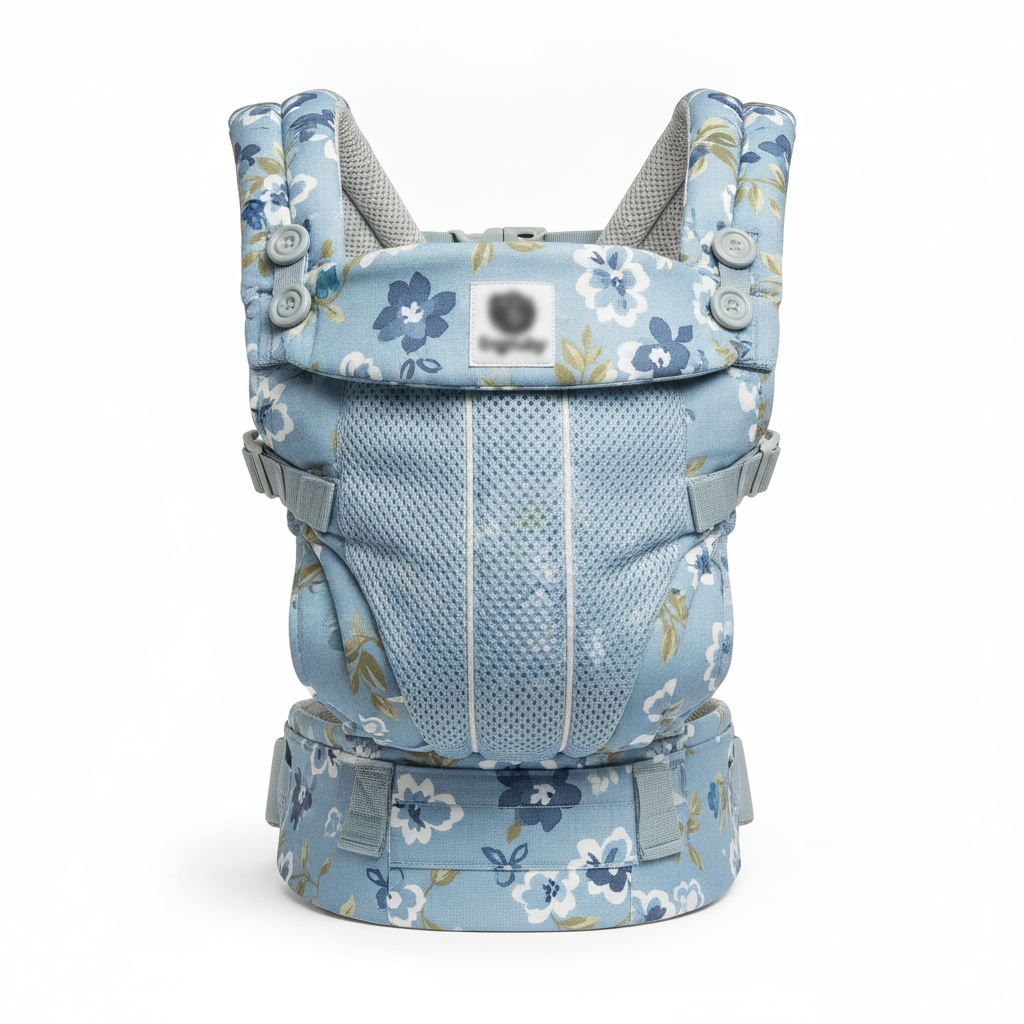
Ergobaby Omni 360 Cool Air Mesh
The Complete Baby Carrier Buying Guide (2026)
¿Necesitas una reseña que no está en esta lista?
Cuéntanos qué necesitas—lo investigamos y te avisamos cuando esté listo.
Overwhelmed by baby carriers? This guide helps new parents choose the perfect carrier based on age, weight, and your lifestyle, ensuring comfort and safety for your little one.
Veredicto
This guide is for new parents navigating the complex world of baby carriers, from wraps to structured options. It prioritizes safety and proper fit for newborns through toddlers, emphasizing the importance of understanding brand-specific requirements. The main tradeoff is balancing versatility with specialized features for different developmental stages.
Finding Your Perfect Baby Carrier: A Quick Start Guide
Choosing the right baby carrier can feel overwhelming, especially with the array of types and features available in 2026. The key is to first consider your baby's age and weight, as well as your lifestyle and personal comfort preferences. For newborns, a soft, supportive carrier that allows for the
What to look for (ideal feature checklist)
Before you buy, use this CheeklyPicks checklist. Strong options usually clear most of these bars:
• Appropriate weight and age range for your child • Proper ergonomic support for baby's hips (M-position) • Comfortable for the wearer (padded straps, lumbar support) • Easy to put on and take off by yourself • Breathable fabric suitable for your climate • Machine washable for easy cleaning • Secure buckles and adjustments • Option for multiple carrying positions (front, hip, back) as baby grows
Understanding Baby Carrier Types: Wraps, Slings & Structured Options
Baby carriers generally fall into three main categories: wraps, slings, and structured carriers, each offering distinct advantages and considerations. Wraps are long pieces of fabric that you tie around your body to create a secure pouch for your baby. They are incredibly versatile and can be customized for a perfect, snug fit, making them ideal for newborns due to their ability to mimic the womb. However, the learning curve for tying can be steep, and some parents find them too warm in hotter climates. Popular types include stretchy wraps, which are soft and forgiving for beginners, and woven wraps, known for their durability and support for older babies and toddlers, often allowing for more complex carries.
Ring slings consist of a single piece of fabric with two rings sewn at one end, allowing you to create an adjustable pouch over one shoulder. They are quick to put on and take off, making them convenient for short trips or when your baby wants to be up and down frequently. Slings are generally suitable from birth through toddlerhood, offering a comfortable hip carry for older infants. The primary trade-off is the single-shoulder weight distribution, which can become uncomfortable during longer wears, especially as your baby grows heavier. Material choices like linen or cotton blends impact breathability and support.
Structured carriers (often called soft structured carriers or SSCs) feature buckles and padded straps, resembling a backpack. They are generally considered the easiest to learn and offer excellent weight distribution across both shoulders and your hips, making them ideal for extended wear and active parents. Structured carriers are available in various designs, from those suitable for newborns (often requiring an infant insert, which varies by brand and model) to those designed for toddlers. While they offer superb ergonomic support for both parent and baby, they are typically the bulkiest option and may not be as compact for travel as a wrap or sling. For a more in-depth look at specific models, explore our guide to the Best Baby Carriers of 2026: Wraps, Slings & Structured Picks.
Key Features to Look For in Any Baby Carrier
When evaluating any baby carrier, several key features contribute to both your and your baby's comfort and safety. Ergonomic design is paramount; ensure the carrier supports your baby in an M-position (hips spread, knees bent higher than bottom) to promote healthy hip development. For the wearer, well-padded shoulder straps and a supportive waist belt will distribute your baby's weight effectively, preventing strain on your back and shoulders. Adjustable features, such as strap length, panel height, and seat width, are crucial for adapting the carrier as your baby grows and for ensuring a comfortable fit for different caregivers.
Material and ease of cleaning are also significant considerations. Look for breathable fabrics, especially if you live in a warmer climate or plan to be active while babywearing. Cotton, linen, and mesh are popular choices for their comfort and durability. Since carriers are prone to spills and spit-up, opt for models that are machine washable or have easily wiped-clean surfaces. Removable drool pads can also be a lifesaver, extending the time between full washes.
Finally, assess the carrier's safety features and versatility. Check for secure buckles, robust stitching, and clear instructions. Sun hoods or sleep hoods are excellent additions, offering protection from the elements and head support for sleeping babies. Pockets for essentials like keys or a phone can add convenience. Consider whether the carrier offers multiple carrying positions (front inward-facing, front outward-facing, hip, and back carries) if you anticipate needing that flexibility as your baby grows from a snug newborn to a curious toddler. Always verify the weight and age recommendations for each position to ensure safe use.
Age and Weight: The Crucial Decision Factors (with Decision Table)
Choosing the right baby carrier often starts with your baby's age and weight, as requirements vary significantly across different carrier types and brands. While many carriers are marketed as "newborn-ready," this can be misleading. Often, a newborn insert is required to safely position an infant under a certain weight or age, typically 7-8 lbs (around 3.2-3.6 kg). Without this insert, younger babies risk improper hip positioning, airway obstruction due to chin-to-chest slumping, and insufficient head and neck support. Always check the manufacturer's specific minimum weight and age recommendations, and whether an insert is mandatory or optional.
As your baby grows, the maximum weight capacity becomes important. While most soft structured carriers (SSCs) accommodate toddlers up to 35-45 lbs (16-20 kg), the comfort for both wearer and child can diminish long before reaching the absolute limit. For older babies and toddlers, look for carriers with wider seat bases to ensure proper "M"-positioning for healthy hip development, and ample padding on the shoulder straps and waist belt for the wearer. Wraps and ring slings are often more versatile in terms of weight range, adapting to the baby's size without specific inserts, though proper wrapping and threading techniques are paramount for safety at every stage. For a detailed comparison of top picks, see our guide to the Best Baby Carriers of 2026: Wraps, Slings & Structured Picks (/reviews/best-baby-carriers-2026).
Here's a quick decision table to help you navigate the initial choices based on your baby's current stage:
- Newborn (0-4 months / 7-15 lbs):
- Recommended: Stretchy wraps, ring slings, soft structured carriers (SSCs) with newborn insert (check specific brand requirements).
- Key Considerations: Excellent head and neck support, proper hip positioning (M-shape), close-fitting for security.
- Infant (4-12 months / 15-25 lbs):
- Recommended: Soft structured carriers (SSCs), woven wraps, mei tais, ring slings.
- Key Considerations: Versatility for front, hip, and back carries; adjustable panel for growing baby; good weight distribution for wearer.
- Toddler (12+ months / 25-45 lbs):
- Recommended: Toddler-specific soft structured carriers, woven wraps (multi-layer carries).
- Key Considerations: Wider seat for ergonomic hip positioning, robust padding for wearer comfort, durable construction.
Safety First: Essential Tips for Carrying Your Baby
Babywearing, when done correctly, is a wonderful way to bond with your child and keep them close, but safety must always be the top priority. The most critical rule to remember is T.I.C.K.S., an acronym developed by the UK Sling Consortium: Tight, In View at all times, Close enough to kiss, Keeping chin off chest, and Supported back. Ensure the carrier is tight enough that your baby is secure against your body without slumping. Your baby’s face should always be visible, not obscured by fabric or your clothing, allowing you to monitor their breathing and well-being. They should be high enough on your chest that you can easily kiss the top of their head.
Crucially, ensure there's always a gap of at least two fingers under your baby's chin to prevent their chin from resting on their chest, which can restrict their airway. Their back should be supported in its natural 'C' curve (for newborns) or straight (for older babies who can sit unassisted) without slumping or collapsing. Always double-check buckles, knots, and rings before and during use. Familiarize yourself with your specific carrier's instructions, and never use a damaged carrier. If you're unsure, seek guidance from a certified babywearing consultant or an experienced wearer.
Beyond the T.I.C.K.S. guidelines, consider environmental factors. Be mindful of overheating, especially in warmer climates, by choosing breathable fabrics and dressing your baby in light layers. Avoid strenuous activities that could lead to falls or impacts while carrying your baby. When bending over, always support your baby with one hand and bend at your knees, not your waist, to prevent them from falling out. Pay attention to your baby's cues; if they seem uncomfortable or fussy, check their positioning and take a break. Regularly inspect your carrier for wear and tear, paying close attention to seams, buckles, and fabric integrity, as even minor damage can compromise safety.
Comparing Popular Carrier Brands and Their Specialties
The baby carrier market is robust, with several brands dominating due to their reputation for quality, innovation, and diverse offerings. Ergobaby is perhaps one of the most recognizable names, especially for soft structured carriers (SSCs). Their carriers, like the Omni 360 and Adapt, are lauded for their ergonomic design, promoting healthy hip development in babies through the “M-position” and offering multiple carry positions (front-inward, front-outward, hip, and back). Ergobaby excels in versatility and comfort for both wearer and baby, often featuring robust lumbar support for parents and padded, adjustable straps. While their SSCs are popular, some parents find them a bit bulky for very young newborns, often requiring an infant insert, though newer models integrate this adjustability more seamlessly.
BabyBjörn, another well-known brand, is celebrated for its ease of use and minimalist aesthetic, particularly with their popular Mini and One series. Their carriers are often simpler to put on and take off, making them a favorite for new parents or those who prioritize quick transitions. BabyBjörn's designs typically offer excellent front-facing-out options, which are popular with parents wanting to share the world with their curious babies. However, some models have been critiqued for less robust lumbar support compared to brands like Ergobaby, which can be a factor for extended wearing or heavier babies. Their emphasis tends to be on structured comfort and quick donning, making them ideal for short trips or specific situations.
For those interested in wraps and slings, brands like Moby Wrap and Sakura Bloom stand out. Moby is synonymous with stretchy wraps, perfect for newborns and offering a wonderfully snug, hands-free experience. They are praised for fostering close bonding and even weight distribution but can have a learning curve with wrapping techniques and may feel less supportive as babies get heavier. Sakura Bloom, on the other hand, specializes in elegant ring slings made from high-quality linen and silk. These offer a beautiful, breathable, and surprisingly supportive option that's quick to adjust and ideal for hip carries, though they place weight on one shoulder. Each brand caters to slightly different needs and preferences, so consider your lifestyle and your baby's stage when making your choice.
When to Consider Alternatives or Skip a Carrier
While baby carriers offer incredible convenience and bonding opportunities, there are specific situations where they might not be the best choice, or where alternatives could be more suitable. For instance, if you have a medical condition that affects your balance, spinal health, or core strength, using a carrier could exacerbate discomfort or pose a safety risk. Consult your doctor or a physical therapist if you have concerns, especially regarding conditions like diastasis recti or chronic back pain. Similarly, babies with certain health issues, such as severe reflux, respiratory problems, or hip dysplasia, might find some carrier types uncomfortable or unsafe. Always discuss carrier use with your pediatrician if your baby has any existing health conditions.
Another scenario to consider is your lifestyle and environment. If you primarily stay at home or have a very sedentary routine, the necessity of a carrier might diminish. While still useful for hands-free tasks, you might find a bassinet, play mat, or bouncer sufficient for your baby's needs during awake times. Furthermore, in extremely hot and humid climates, prolonged babywearing can lead to overheating for both parent and baby, even with breathable fabrics. In such cases, shorter wearing periods, lighter clothing, and seeking shade are crucial, or opting for a stroller with good ventilation might be more practical for extended outings.
Finally, the cost investment is a factor. High-quality carriers, especially structured ones, can be a significant expense. If your budget is tight and you only anticipate occasional use, exploring options like borrowing from friends, community groups, or purchasing second-hand (after thorough safety checks and cleaning) could be wise. Remember, while carriers are wonderful tools, they are not strictly essential for every family. Sometimes a well-equipped stroller, a comfortable home setup, and supportive community resources can fulfill many of the same needs without the carrier specific investment. Prioritize what truly enhances your family's daily life and comfort.
Baby Carrier FAQs
Q: What's the difference between a newborn insert and carriers suitable from birth? A: This is a crucial distinction that often confuses new parents. A newborn insert is an additional padded component, usually purchased separately, designed to adapt a larger, standard-sized structured carrier (like many soft-structured carriers or buckle carriers) for newborns who don't meet the carrier's minimum weight or height requirements. These inserts provide head and neck support, reduce the leg opening size, and elevate the baby within the carrier to ensure proper positioning (typically 'M' shape for hips and supported spine). Carriers suitable from birth (often wraps, ring slings, or specific soft-structured carriers) are designed with inherent adjustability or a smaller form factor that naturally accommodates a newborn's delicate anatomy without needing an extra accessory. Always check the manufacturer's specific age and weight guidelines for both the carrier and any required inserts, as these vary significantly by brand. For instance, some popular buckle carriers might require an insert for babies under 15 lbs, while others might be usable from 7 lbs without one.
Q: How do I ensure my baby is safely positioned in a carrier? A: Safety is paramount when babywearing. The key principles are often summarized by the 'TICKS' acronym: Tight, In view, Close enough to kiss, Keeping chin off chest, Supported back. The carrier should be snug enough to hold your baby securely against your body without slumping, but not so tight as to restrict breathing. You should always be able to see your baby's face clearly, ensuring their airway is open and unobstructed. Your baby should be positioned high enough on your chest that you can easily lean down and kiss the top of their head. Crucially, ensure your baby's chin is not resting on their chest, as this can compress their airway. Finally, their back should be supported in its natural curve, preventing slumping. For hip health, ensure their knees are higher than their bottom, creating an 'M' shape with their legs. If you're unsure, seek guidance from a certified babywearing educator or watch official instructional videos for your specific carrier model. Proper positioning prevents discomfort for both you and your baby, and most importantly, ensures their safety.
Q: How long can I comfortably wear my baby in a carrier? A: The duration of comfortable babywearing depends on several factors: your stamina, your baby's temperament, the carrier type, and the environment. For newborns and younger infants, shorter wearing periods (30-60 minutes) are often best, allowing them time to stretch and change positions. As babies grow and gain head control, longer periods are often feasible. Listen to your body and your baby's cues. If you start to feel discomfort (shoulder strain, back pain), or if your baby becomes fussy, it's time for a break. Ensure the carrier is properly adjusted to distribute weight evenly; a well-adjusted carrier makes a significant difference. Some parents comfortably wear their toddlers for hours in a supportive structured carrier, while others prefer shorter stints for quick errands. Wraps and ring slings can be excellent for extended wear due to their moldability, but structured carriers with padded shoulders and waistbands are often preferred for older, heavier babies. Explore different carrier types to find what works best for your family's needs and comfort levels; you can find more details in our [/reviews/best-baby-carriers-2026] guide.
Related CheeklyPicks guides & reviews
Keep researching with these CheeklyPicks pages—each one answers a related buying question without repeating the same thin affiliate fluff:
Frequently asked questions
What's the best type of baby carrier for a newborn? For newborns, soft structured carriers with a dedicated infant insert, stretchy wraps, or ring slings are often recommended. Always check the carrier's minimum weight and age requirements, as well as ensure it supports the baby in an M-position with a clear airway.
How do I ensure my baby is safe in a carrier? Follow the T.I.C.K.S. rules for safe babywearing: Tight, In view at all times, Close enough to kiss, Keep chin off chest, Supported back. Always read the manufacturer's instructions carefully and practice putting on the carrier before carrying your baby for extended periods.
Can I use the same carrier from newborn to toddler? Some convertible soft structured carriers are designed to accommodate babies from infancy (often with an infant insert or specific adjustments) through toddlerhood. However, many parents find it beneficial to have different types of carriers as their child grows to best suit their changing needs and comfort.
What's the difference between a wrap and a sling? A wrap is a long piece of fabric that you tie around yourself to create a secure pouch for your baby, offering a custom fit. A sling, typically a ring sling, is a shorter piece of fabric with two rings, allowing for quick adjustments to create a pouch over one shoulder. Wraps often distribute weight more evenly, while slings are known for their ease of use for quick ups and downs.
Enlace de pago / #CommissionsEarned. Como Asociado de Amazon, gano comisiones por compras que califican. Más información