Reseña · 14 min de lectura · Actualizado 2026-08-06
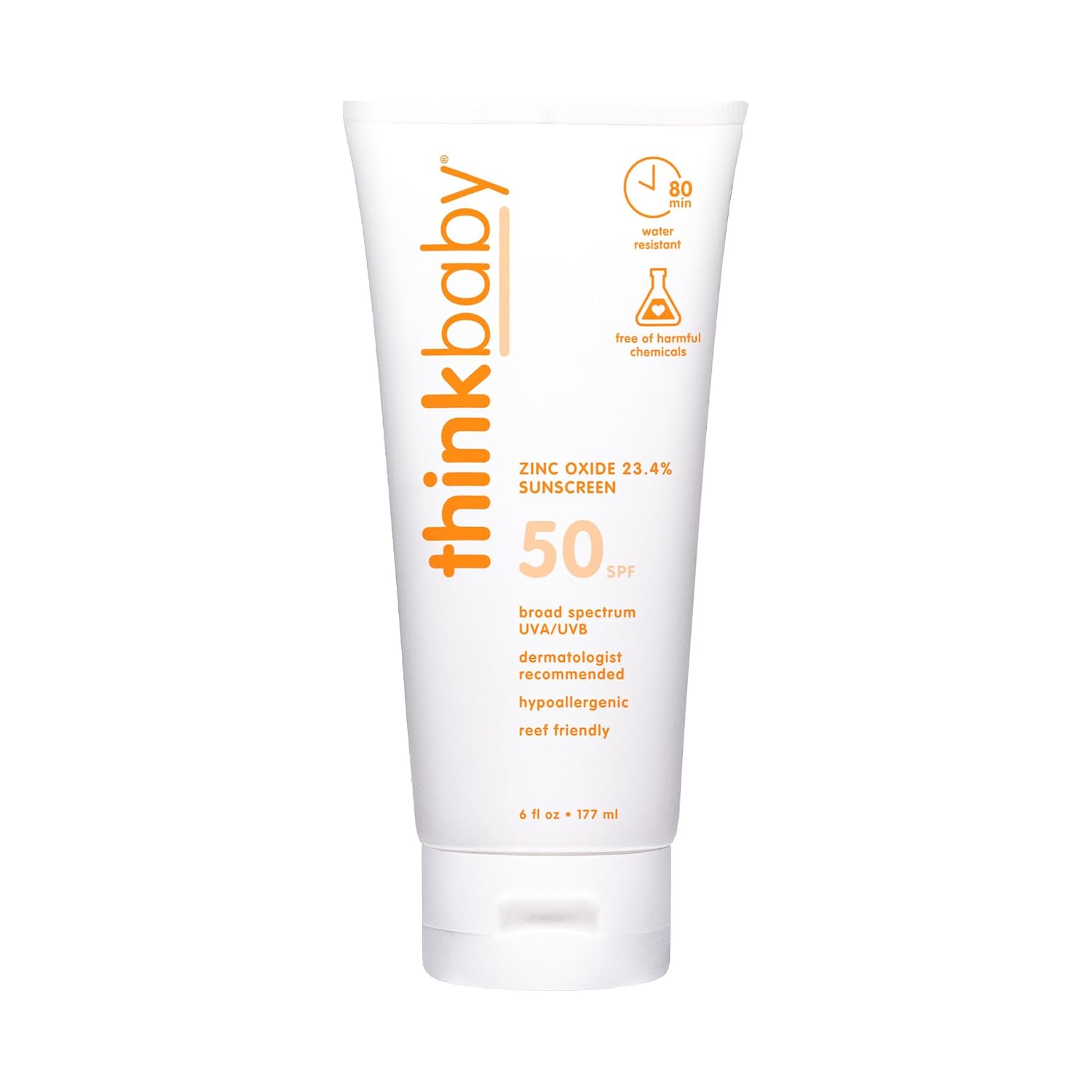
Thinkbaby Baby Sunscreen SPF 50+
Best Kids Sunscreens of 2026: Mineral & Chemical Picks, Compared
¿Necesitas una reseña que no está en esta lista?
Cuéntanos qué necesitas—lo investigamos y te avisamos cuando esté listo.
Protecting your child's delicate skin from harmful UV rays is essential. We compare the top mineral and chemical sunscreens for kids in 2026, considering effectiveness, safety, and ease of application.
Veredicto
For parents seeking reliable sun protection, the best kids sunscreens of 2026 offer a range of choices from zinc oxide-based mineral formulas to broad-spectrum chemical options. The key tradeoff lies between immediate physical blocking and potentially lighter-feeling chemical filters, with ongoing FDA safety reviews for the latter being an important consideration.
The Best Kids Sunscreens of 2026: Our Top Picks
Choosing the right sunscreen for your child is paramount, and in 2026, the market offers an impressive array of options designed with sensitive skin and active lifestyles in mind. Our top picks for this year prioritize broad-spectrum protection, water resistance, and formulas free from common irritants. We rigorously evaluated each product for its ease of application—a critical factor when dealing with squirming toddlers—and its ability to provide long-lasting defense against both UVA and UVB rays.
Leading the pack are sunscreens that blend seamlessly without leaving a ghostly white cast, a frequent complaint with some mineral formulations. We also paid close attention to ingredients, favoring brands that incorporate nourishing components alongside their protective filters, such as aloe vera or vitamin E, to help soothe and moisturize delicate skin. While all our top selections meet stringent safety standards, we highlight those that go the extra mile with certifications like pediatrician-recommended or allergy-tested, offering parents an additional layer of confidence.
This year's best include a mix of lotions, sticks, and sprays, catering to different application preferences. For instance, stick sunscreens proved invaluable for quick touch-ups on faces and ears, while lotions offered broader coverage for larger areas. We also considered the overall value, balancing price with the quality and quantity of the product, ensuring that effective sun protection is accessible to all families. Remember, consistent reapplication every two hours, or immediately after swimming or excessive sweating, is as crucial as the initial application for optimal protection.
What to look for (ideal feature checklist)
Before you buy, use this CheeklyPicks checklist. Strong options usually clear most of these bars:
• Broad-spectrum SPF 30+ • Water-resistant (80 minutes) • Hypoallergenic and fragrance-free • Easy to apply (lotion, stick, or spray) • Non-comedogenic • Free from parabens and phthalates
Mineral vs. Chemical Sunscreen: What Parents Need to Know
When selecting a kids' sunscreen, one of the primary decisions parents face is choosing between mineral and chemical formulations. Understanding the fundamental differences in how these sunscreens work is key to making an informed choice. Mineral sunscreens, often referred to as physical blockers, create a physical barrier on the skin's surface. They typically contain active ingredients like zinc oxide and titanium dioxide, which sit on top of the skin and deflect UV rays away. These ingredients are generally considered safe for sensitive skin, are less likely to cause irritation, and provide immediate protection upon application. However, some mineral sunscreens can be thicker and may leave a visible white cast, although formulations have significantly improved in recent years to minimize this.
Chemical sunscreens, on the other hand, work by absorbing UV rays and converting them into heat, which is then released from the skin. Common active ingredients include oxybenzone, avobenzone, octinoxate, and octisalate. These sunscreens are often lighter, easier to spread, and do not leave a white residue. However, some parents express concerns about the potential for these chemicals to be absorbed into the bloodstream. It's worth noting that the FDA is currently conducting an ongoing review of the safety of several chemical UV filters, urging manufacturers to provide more data on their absorption and potential effects. This review highlights the importance of staying informed and considering your comfort level with different ingredients.
For parents prioritizing ingredients with extensive safety data and a lower likelihood of skin irritation, mineral sunscreens containing only zinc oxide or titanium dioxide are often recommended, especially for very young children or those with eczema-prone skin. Conversely, if ease of application and a sheer finish are top priorities, chemical sunscreens might be preferred, provided you are comfortable with the active ingredients. Ultimately, the most effective sunscreen is one that your child will wear consistently and that is reapplied as directed, regardless of whether it's mineral or chemical. For more tips on caring for delicate skin, you might also find our guide on <a href="/reviews/best-baby-lotion-2026">Best Baby Lotions of 2026</a> helpful.
Key Features to Look for in Kids Sunscreen
Navigating the myriad options for kids' sunscreen can be overwhelming, but focusing on a few key features can simplify your decision-making process. First and foremost, always look for "broad-spectrum" protection. This label signifies that the sunscreen defends against both UVA rays (which contribute to skin aging and long-term damage) and UVB rays (the primary cause of sunburn). Without broad-spectrum protection, your child is not fully shielded from the sun's harmful effects. Coupled with this, ensure the sunscreen has an SPF of 30 or higher. While higher SPFs offer marginally more protection, the difference beyond SPF 50 is minimal, and consistent application is far more critical than an extremely high SPF number.
Water resistance is another non-negotiable feature for active children, especially those who love to swim or play outdoors. Look for sunscreens labeled "water-resistant" for either 40 or 80 minutes. Remember, water-resistant does not mean waterproof; reapplication after the stated time, or immediately after towel drying, is essential. Furthermore, consider formulations designed specifically for children, which are typically fragrance-free and hypoallergenic. Children's skin is more delicate and prone to irritation, so avoiding common allergens and strong scents can prevent discomfort and allergic reactions.
Finally, assess the ease of application and the product type. Lotions provide thorough coverage but can be messy. Sticks are excellent for faces, ears, and small areas, offering mess-free application. Sprays can be convenient for quick coverage, especially on squirming kids, but require careful application to ensure even coverage and avoid inhalation. Always spray into your hands first and then apply to the face. Opt for a formula that you find easy to use consistently, as regular and proper application is the single most important factor in effective sun protection.
Understanding SPF and Water Resistance for Kids
Choosing the right SPF (Sun Protection Factor) for your child is crucial, but it's important to understand what that number truly signifies. SPF indicates how long it would take for UVB rays to redden skin when using sunscreen, compared to how long it would take without any. For kids, we recommend a minimum of SPF 30, which blocks about 97% of UVB rays. SPF 50 blocks approximately 98%, and while higher numbers offer incrementally more protection, the difference is often marginal and can lead to a false sense of security. The most critical factor isn't just the initial SPF number, but consistent and correct reapplication.
Water resistance is another key consideration, especially for active children. Sunscreens are labeled as either 40-minute or 80-minute water resistant, meaning they maintain their SPF level for that duration while swimming or sweating. This doesn't mean you can skip reapplication after these times; it's the maximum period of effectiveness under wet conditions. For extended water play or heavy sweating, always opt for an 80-minute water-resistant formula. Remember that no sunscreen is truly “waterproof,” so frequent reapplication, particularly after toweling off, is paramount to maintaining protection throughout the day. Always check the label for specific reapplication instructions, as they can vary slightly between brands and formulations.
Application Tips for Maximum Protection
Proper sunscreen application is just as important as the product itself to ensure your child receives the full benefit of sun protection. A common mistake is not using enough sunscreen. For most children, you'll need at least a shot glass full (about one ounce) to cover all exposed skin. Apply sunscreen generously about 15-30 minutes before sun exposure to allow it to form a protective barrier on the skin. Don't forget often-missed areas like the tops of the feet, ears, back of the neck, and part line of the hair. For babies under six months, shade is always the primary form of sun protection, and sunscreen should only be used on small, exposed areas if shade and protective clothing are not sufficient.
Reapplication is non-negotiable for sustained protection. Even the best sunscreens will degrade with time, sweat, and water exposure. Reapply sunscreen at least every two hours, or more frequently if your child has been swimming, sweating heavily, or towel-dried. When reapplying, ensure you're using the same generous amount as the initial application. For fidgety kids, consider different formulations like sticks for faces or sprays for quick full-body coverage, though sprays require careful application to ensure even coverage and avoid inhalation. Always rub in spray sunscreens after application. For comprehensive protection, pair sunscreen with other sun-smart strategies like wide-brimmed hats, UV-protective clothing, and seeking shade during peak sun hours.
FDA Review and Sunscreen Safety
The safety of sunscreen ingredients is a topic of ongoing discussion and scientific review, particularly concerning chemical UV filters. The FDA has been actively reviewing the safety and effectiveness of commonly used over-the-counter sunscreen ingredients. Currently, mineral sunscreens, containing zinc oxide and titanium dioxide, are generally recognized as safe and effective (GRASE). These work by sitting on the skin's surface and physically blocking UV rays.
For chemical sunscreens, which absorb UV radiation, the FDA has requested additional safety data for ingredients like oxybenzone, avobenzone, and octinoxate. While these ingredients are widely used and have been deemed safe by regulatory bodies in many other countries, the FDA’s ongoing review reflects a commitment to ensuring the highest safety standards for products applied to our skin, especially for children. Some parents opt for mineral sunscreens as a precautionary measure due to this ongoing review, while others continue to use chemical options, finding them easier to apply or less visible on the skin. Regardless of your choice, ensuring consistent sun protection is the ultimate goal. For sensitive skin or concerns about ingredients, checking out our guide on [/reviews/best-baby-lotion-2026] might also provide useful information on gentle skincare.
Alternatives for Sun Protection Beyond Sunscreen
While sunscreen is a crucial component of sun protection, it's most effective when used as part of a multi-pronged approach. Relying solely on sunscreen, especially with prolonged outdoor exposure, can sometimes lead to a false sense of security. The first line of defense, particularly for children, should always be seeking shade during peak sun hours, typically between 10 AM and 4 PM. This significantly reduces direct UV radiation exposure and is a simple, effective method that requires no product application.
Another highly effective alternative is protective clothing. Look for garments with a high Ultraviolet Protection Factor (UPF) rating, especially for swimwear or clothing worn during extended outdoor activities. A UPF 50+ fabric blocks 98% of UVA and UVB rays, offering superior protection compared to sunscreen, which needs reapplication and can be missed in certain spots. Wide-brimmed hats that shade the face, neck, and ears are also essential, as are sunglasses that block 99% to 100% of both UVA and UVB rays.
For families spending extensive time outdoors, consider portable shade options like pop-up tents or umbrellas. These provide immediate relief from the sun's intensity and are invaluable for infants and toddlers whose skin is particularly sensitive. Remember that while sunscreen is vital for exposed skin, these complementary strategies provide a comprehensive shield against the sun's harmful rays, reducing the overall reliance on chemical or mineral filters alone and ensuring more consistent protection throughout the day. Combining these methods with smart scheduling of outdoor play can significantly reduce the risk of sunburn and long-term sun damage.
Who Should Skip Chemical Sunscreens?
The discussion around chemical versus mineral sunscreens often brings up concerns, particularly for vulnerable populations. While the FDA continues its review of certain chemical UV filters, some groups may choose to err on the side of caution and opt for mineral-based sunscreens exclusively. Infants under six months old are at the top of this list. Their skin is extremely thin and permeable, making them more susceptible to systemic absorption of any chemicals applied topically. For this age group, the American Academy of Pediatrics recommends avoiding sunscreen altogether and relying on shade and protective clothing, using a minimal amount of mineral sunscreen on small, exposed areas only when absolutely necessary and recommended by a pediatrician.
Children with sensitive skin, eczema, or known allergies to specific ingredients found in chemical sunscreens should also consider sticking to mineral formulations. Chemical filters like oxybenzone, avobenzone, octinoxate, and octisalate can sometimes trigger skin reactions, including redness, itching, or contact dermatitis. Mineral sunscreens, which typically use zinc oxide and/or titanium dioxide, sit on top of the skin and physically block UV rays, making them generally less irritating and a safer bet for easily reactive skin types. Always patch test any new sunscreen on a small area of skin before full application, especially if your child has a history of skin sensitivities.
Furthermore, parents who are simply uncomfortable with the ongoing FDA review of chemical UV filters, or who prefer a more
Related CheeklyPicks guides & reviews
Keep researching with these CheeklyPicks pages—each one answers a related buying question without repeating the same thin affiliate fluff:
Frequently asked questions
What is the difference between mineral and chemical sunscreen for kids? Mineral sunscreens use zinc oxide and titanium dioxide to create a physical barrier that reflects UV rays. Chemical sunscreens absorb UV rays and convert them into heat. Mineral sunscreens typically sit on top of the skin, while chemical sunscreens are absorbed into the skin.
Is chemical sunscreen safe for children? The FDA is currently reviewing the safety of certain chemical UV filters. While most are generally recognized as safe and effective, some parents opt for mineral sunscreens as a precaution due to these ongoing evaluations. Always consult with your pediatrician if you have specific concerns.
What SPF should I look for in a kids' sunscreen? For children, it's recommended to use a broad-spectrum sunscreen with an SPF of 30 or higher. This level provides substantial protection against both UVA and UVB rays. Remember that no sunscreen offers 100% protection, so reapplication is crucial.
How often should I reapply sunscreen on my child? Sunscreen should be reapplied at least every two hours, or more frequently if your child is swimming, sweating, or towel drying. Even water-resistant sunscreens lose their effectiveness over time in water.
Enlace de pago / #CommissionsEarned. Como Asociado de Amazon, gano comisiones por compras que califican. Más información