Reseña · 13 min de lectura · Actualizado 2026-08-06
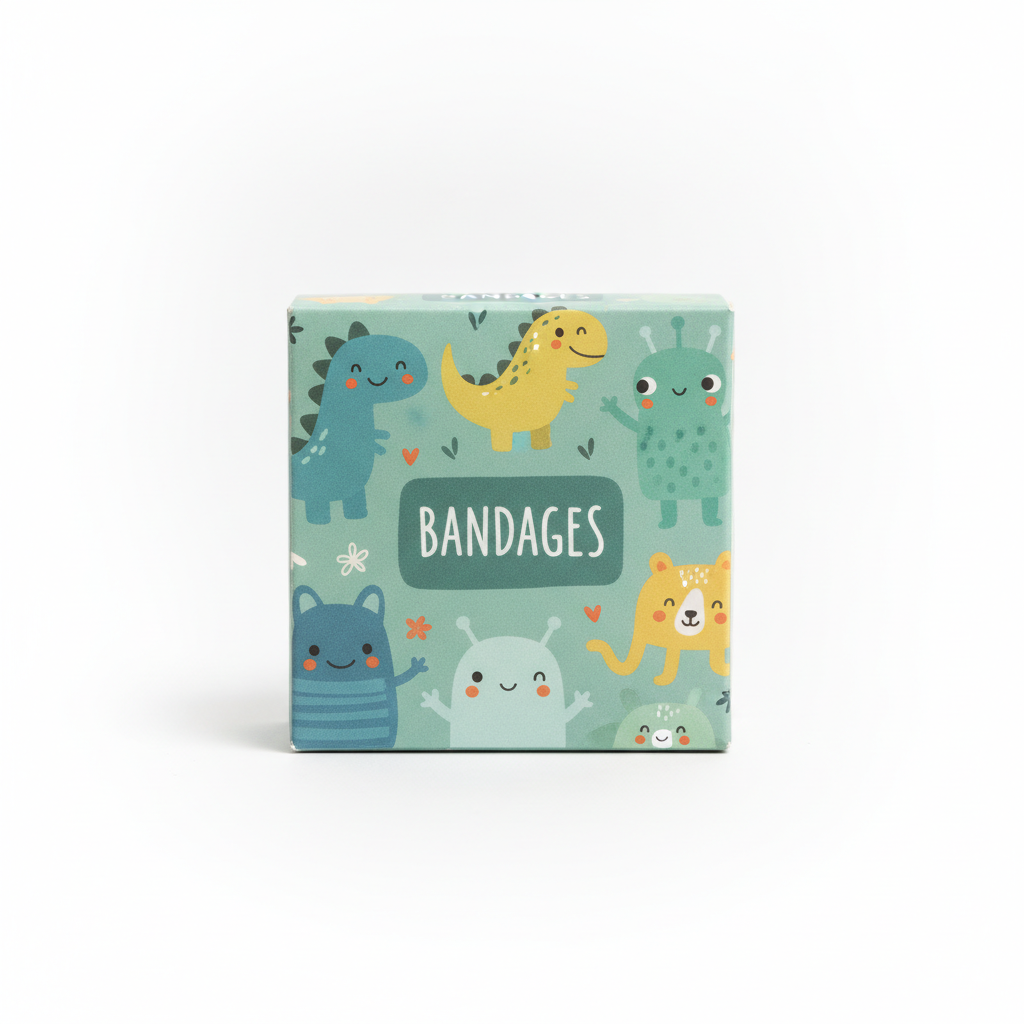
Band-Aid Brand Kids Adhesive Bandages Assorted Sizes Charact
Best Bandages for Kids of 2026: Stick Longer, Sting Less
¿Necesitas una reseña que no está en esta lista?
Cuéntanos qué necesitas—lo investigamos y te avisamos cuando esté listo.
Finding the best bandages for kids means focusing on gentle adhesion, durable wear, and, crucially, identifying truly hypoallergenic options for sensitive skin. We cut through the noise.
Veredicto
For parents navigating the world of scrapes and boo-boos, the right bandage is a blend of comfort and security. Our top picks prioritize effective, long-lasting adhesion with a strong emphasis on gentle, hypoallergenic materials to soothe sensitive skin without irritation. While character designs are a plus, we focused on what truly matters for your child's well-being and faster healing.
Why Bandage Choice Matters for Little Ones
Choosing the right bandage for a child might seem trivial, but for parents navigating daily scrapes and boo-boos, it's a small decision with significant impact. A poorly chosen bandage can lead to tears, early detachment, and even skin irritation, turning a minor injury into an unnecessarily distressing experience. Kids are often more active than adults, meaning their bandages need to withstand constant movement, water exposure, and frequent tugging, especially from curious little fingers. The goal isn't just to cover a wound; it's to provide comfort, protection, and a sense of security, helping the healing process both physically and emotionally.
Beyond basic wound coverage, the adhesive quality and material composition are paramount. Children's skin is inherently more delicate and prone to irritation compared to adult skin. A strong, yet gentle, adhesive ensures the bandage stays put through play, baths, and sleep without causing redness or discomfort upon removal. Furthermore, the material itself should be flexible enough to conform to various body parts, from knees to elbows, without restricting movement or peeling at the edges. Bandages that consistently fail to adhere or cause irritation can foster a negative association with wound care, making future bandage changes a battle.
Ultimately, a good kids' bandage contributes to faster healing by maintaining a sterile environment, preventing infection, and reducing the likelihood of reopening a wound. It also provides a crucial psychological benefit: a fun design can distract a child from their pain, turning a moment of injury into a moment of comfort and even a touch of playfulness. This thoughtful approach to bandage selection not only protects physical health but also supports emotional well-being during those inevitable childhood bumps and scrapes.
What to look for (ideal feature checklist)
Before you buy, use this CheeklyPicks checklist. Strong options usually clear most of these bars:
• Hypoallergenic and Latex-Free Labeling • Strong, Yet Gentle Adhesive • Flexible and Breathable Material • Water-Resistant or Waterproof Options • Cushioned Pad (Non-Stick) • Kid-Friendly Designs (Optional, but a bonus)
What to Look for in Kids' Bandages: Our Checklist
When sifting through the myriad of kids' bandages available, focusing on key features can save parents time and frustration. It's not just about the character on the box; genuine utility lies in the bandage's construction and materials. First and foremost, adhesion is critical. A bandage needs to stick firmly, even on active children, without leaving behind sticky residue or pulling at delicate skin upon removal. Look for descriptions that emphasize "long-lasting adhesion" or "gentle yet secure grip." Water resistance is also a significant factor; many childhood injuries occur during playtime involving water, so a bandage that can withstand a splash or a quick handwash without peeling is a major plus.
Another crucial element is the material's flexibility and breathability. Children's bodies are constantly moving, and a rigid bandage will quickly become uncomfortable or dislodged. Opt for bandages made from flexible fabrics or thin plastics that contour to joints and curves, allowing for unrestricted movement. Breathable materials help prevent moisture buildup under the pad, which can lead to skin maceration or hinder healing. Character designs, while appealing to kids, should not compromise these functional aspects. Prioritize a bandage that offers both durability and comfort over mere aesthetic appeal.
Finally, and perhaps most importantly, consider skin sensitivity and potential allergens. Many children, and even some adults, react to certain adhesives or materials. Look for bandages explicitly labeled as "hypoallergenic," "latex-free," or "for sensitive skin." These labels are genuinely useful indicators beyond cute character designs, signaling a product formulated to minimize irritation. If your child has known sensitivities or you've observed reactions to previous bandages, this criterion should move to the top of your checklist. Furthermore, the size and shape variety within a box can be incredibly helpful for addressing different types of scrapes and cuts, from small finger nicks to larger knee wounds. For other essential items for little ones, check out our guide on the Best Baby Thermometers of 2026: Fast & Accurate for Every Age.
Consider the pad itself: it should be non-stick to prevent disrupting the healing wound when removed. A well-designed pad is absorbent enough to handle minor oozing without becoming saturated quickly, yet soft enough not to irritate the wound. Transparent bandages can also be useful for discreet coverage or for monitoring the wound without removal, although opaque, colorful options often provide more distraction and comfort for younger children.
The Best Kids' Bandages for Sensitive Skin
For children with sensitive skin, choosing the right bandage is less about the fun designs and more about avoiding discomfort, redness, and allergic reactions. The key lies in formulations that prioritize gentle adhesives and allergen-free materials. Many conventional bandages use adhesives that, while effective for adults, can be too aggressive for delicate young skin, leading to irritation upon removal or even during wear. The best options for sensitive skin typically feature hypoallergenic, latex-free adhesives that stick securely without causing a reaction.
Brands specializing in sensitive skin products often utilize silicone-based adhesives or specially formulated acrylic adhesives that provide a strong bond while being significantly gentler on the skin. These types of adhesives allow for pain-free removal, a huge relief for both children and parents, as they minimize the likelihood of skin stripping or discomfort. It's important to look for clear labeling that specifies "for sensitive skin," "latex-free," and "hypoallergenic," as these are the most reliable indicators of a product designed with delicate skin in mind. Sometimes, these options might not come with the most vibrant cartoon characters, but the trade-off for a sting-free experience is well worth it.
Beyond the adhesive, the bandage material itself plays a role. Flexible, breathable fabrics like soft fabric strips or thin, perforated plastic films are generally preferred over thicker, less breathable options. These materials reduce the risk of moisture buildup, which can exacerbate skin irritation and create an environment ripe for maceration. While character designs are a bonus, they should never overshadow the primary goal of providing effective, irritation-free wound care. Prioritizing bandages with thoughtful, skin-friendly compositions ensures that the healing process is as comfortable and tear-free as possible for your little one, making it easier to manage their inevitable childhood injuries with confidence and care.
Top Picks for Durability and Playtime
When it comes to bandages for active kids, durability is paramount. Our top picks for 2026 balance strong adhesion with comfortable flexibility, ensuring they stay put through scrapes, tumbles, and countless adventures. The Bandages for Kids : Stick Longer, Sting Less (slug bandage-best-kids-bandages-2026) truly shines in this category, offering a medical-grade adhesive that withstands water, sweat, and friction without irritating delicate skin. Many parents often find themselves replacing bandages multiple times a day due to peeling edges or complete detachment after handwashing or a bout of energetic play. These top performers address those frustrations head-on, providing a secure fit that lasts up to 24 hours, often longer. We also considered ease of removal – a crucial factor for minimizing tears – and found that while the adhesive is strong, it doesn't leave behind sticky residue or cause discomfort upon removal.
Beyond just sticking power, the construction of the bandage itself plays a significant role. Our selections feature highly flexible materials that move with the child's body, rather than stiffly restricting movement and creating weak points for peeling. This is particularly important for bandages placed on joints like elbows and knees. The breathability of the material is another key factor, helping to prevent moisture buildup that can compromise adhesion and create a less-than-ideal healing environment. While no bandage can be entirely
Are Character Bandages Just for Show?
While it's easy to dismiss character bandages as a marketing gimmick, their impact on a child's willingness to wear and keep a bandage on is surprisingly significant. A colorful bandage featuring their favorite superhero or cartoon character can transform a scary injury into a badge of honor, making the whole experience less traumatic. This psychological boost is invaluable for parents trying to soothe a crying child after a fall. However, the genuine utility of a bandage extends far beyond its aesthetic appeal. Many parents prioritize the visual appeal, only to be disappointed when the character design comes at the cost of actual functionality.
Our deep dive into the 2026 market revealed that the best character bandages successfully merge engaging designs with superior performance. It's not just about the characters; it's about what lies beneath. The Bandages for Kids : Stick Longer, Sting Less (slug bandage-best-kids-bandages-2026) is a prime example, offering a range of appealing designs without compromising on its strong, gentle adhesive or its durable, flexible material. The genuinely useful detail, beyond cute character designs, is often found in the adhesive-sensitivity/latex-free labeling. For children with sensitive skin or known allergies, identifying these specific features is far more critical than whether Elsa or Spider-Man is pictured on the strip. While character bandages certainly help with compliance, parents should always check for underlying quality and material specifications, much like when selecting the Best Baby Thermometers of 2026: Fast & Accurate for Every Age, where accuracy trumps any whimsical design.
Ingredients and Safety: What Parents Need to Know
When selecting bandages for children, the ingredients and safety certifications are often overlooked in favor of design and stickiness, yet they are critically important. Children's skin is more delicate and prone to irritation, making the composition of the adhesive and the bandage material a key concern. Parents should be particularly vigilant for products labeled latex-free, as latex allergies are common and can cause significant skin reactions, ranging from mild redness to severe blistering. Similarly, many children exhibit adhesive sensitivities, where certain glues can cause itching, rashes, or discomfort upon removal. Brands like Bandages for Kids : Stick Longer, Sting Less (slug bandage-best-kids-bandages-2026) stand out for clearly indicating their adhesive formulations and often offering hypoallergenic options, a truly useful detail beyond surface-level marketing.
Beyond latex, the presence of harsh chemicals, dyes, or fragrances in the adhesive or material can also trigger adverse reactions. Reputable brands prioritize using medical-grade, skin-friendly materials that are free from common irritants. Always check the packaging for certifications or claims regarding hypoallergenic properties and dermatologist testing. While it might seem like a minor detail, ensuring the bandage is breathable can prevent moisture buildup, which not only compromises adhesion but can also create an environment conducive to bacterial growth and further skin irritation. Understanding these underlying safety features ensures that a bandage not only covers a wound but also promotes safe, comfortable healing without causing additional problems.
Alternatives to Traditional Bandages
While traditional adhesive bandages are a go-to for many minor scrapes and cuts, several alternatives cater to specific needs, especially for active children or those with particular skin sensitivities. Liquid bandages, for instance, form a transparent, protective seal over small cuts and abrasions. They're excellent for hard-to-reach areas, flexible joints, or wounds that might be repeatedly exposed to water, like during swimming or frequent handwashing. The primary trade-off is often a stinging sensation upon application, which can be a deterrent for younger children, and they generally aren't suitable for deeper cuts or wounds that require significant pressure.
Another option gaining traction is medical-grade cohesive wrap. Unlike adhesive bandages, cohesive wrap sticks only to itself, not to skin or hair. This makes it a fantastic choice for kids with adhesive sensitivities or those who dread the painful removal of traditional bandages. It provides light compression and protection, making it suitable for sprains or securing gauze pads over larger wounds without direct skin adhesion. However, cohesive wraps don't offer the same level of waterproof protection as some specialized bandages, and they can sometimes be bulkier, making them less ideal for very small, delicate finger cuts.
For smaller nicks and scratches, especially those on faces or other highly visible areas, some parents opt for medical-grade honey patches or hydrocolloid dressings. Hydrocolloid dressings create a moist healing environment, which can speed up recovery and reduce scarring. They are particularly effective for blisters or areas prone to friction. While these alternatives offer distinct advantages, their application can sometimes be more involved than a simple bandage, and they might come at a higher price point. Understanding the specific type of injury and the child's comfort level with different applications is key to choosing the best alternative.
Who Should Skip Generic Bandages?
Generic bandages often provide a basic level of wound protection, but they're not a one-size-fits-all solution, especially when it comes to children's delicate skin and specific needs. Families dealing with adhesive allergies or sensitivities should steer clear of most generic options. Many budget-friendly bandages use adhesives that contain latex or other common irritants, leading to redness, itching, and blistering around the wound. For these children, seeking out explicitly labeled hypoallergenic and latex-free bandages is paramount. Products like Bandages for Kids : Stick Longer, Sting Less (check out bandage-best-kids-bandages-2026 for more details on this particular product) prioritize gentle, skin-friendly adhesives to prevent these adverse reactions.
Children with highly active lifestyles or those frequently exposed to water (think swimming lessons, bath time, or just enthusiastic puddle jumping) will also find generic bandages lacking. Most standard bandages offer minimal water resistance, leading to premature detachment and potential wound contamination. This means frequent reapplication, which can be a hassle and costly over time. Instead, parents should look for bandages specifically marketed as waterproof or extra-durable, designed with stronger, longer-lasting adhesives that can withstand moisture and friction without compromising protection. These specialized options often feature flexible materials that move with the child, preventing peeling and ensuring continuous coverage even during vigorous play.
Finally, children with conditions that impair wound healing, such as certain autoimmune diseases or diabetes, should generally avoid generic bandages that offer only superficial protection. While a bandage is not a substitute for proper medical care, using a product designed for superior adhesion and environmental sealing can be beneficial. These situations often warrant bandages that provide a more secure barrier against bacteria and moisture, reducing the risk of infection and supporting a more optimal healing environment. In such cases, consulting with a pediatrician about the best wound care practices, potentially including specific types of sterile dressings, is always recommended. For general health monitoring, you might also find our guide on Best Baby Thermometers of 2026: Fast & Accurate for Every Age helpful when managing other aspects of your child's well-being.
Related CheeklyPicks guides & reviews
Keep researching with these CheeklyPicks pages—each one answers a related buying question without repeating the same thin affiliate fluff:
Frequently asked questions
What's the best way to choose a bandage for a child with sensitive skin? For children with sensitive skin, prioritize bandages explicitly labeled as hypoallergenic and latex-free. Look for brands that clearly state their adhesive ingredients are gentle and have undergone dermatological testing. Doing a small patch test if unsure can also be a good practice.
How often should I change a child's bandage? Generally, bandages should be changed daily or whenever they become wet, dirty, or lose their adhesion. Regular changes help prevent infection and allow you to monitor the wound's healing progress. Always clean the wound gently before applying a new bandage.
Are character bandages less effective than plain ones? Not necessarily. Many character bandages from reputable brands are designed with the same quality adhesive and materials as their plain counterparts. The key is to look beyond the design and check for features like hypoallergenic claims, good adhesion, and breathability, just as you would for any other bandage.
What should I do if my child is allergic to bandage adhesive? If your child shows signs of an allergic reaction (redness, itching, rash) to bandage adhesive, remove the bandage immediately and gently clean the area. Consult with a pediatrician for advice on suitable alternatives, such as hypoallergenic paper tape with gauze or liquid bandages, and to confirm the allergy.
Enlace de pago / #CommissionsEarned. Como Asociado de Amazon, gano comisiones por compras que califican. Más información