Reseña · 14 min de lectura · Actualizado 2026-08-10
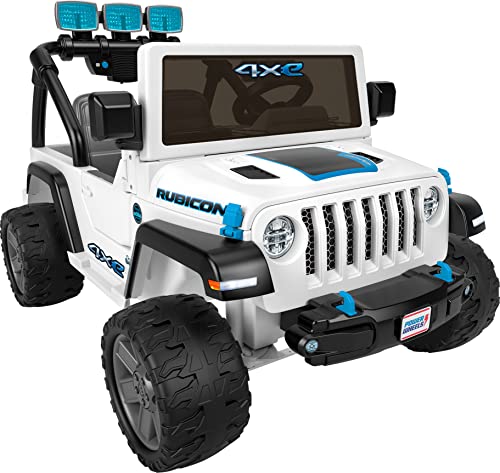
Power Wheels Jeep Wrangler 4Xe Ride-On Toy with Sounds and W
Ride-On Toys for Kids: The Complete Buying Guide (2026)
¿Necesitas una reseña que no está en esta lista?
Cuéntanos qué necesitas—lo investigamos y te avisamos cuando esté listo.
Looking for the perfect ride-on toy? Our comprehensive 2026 guide helps you choose the best option for every age and stage, from first steps to independent riding.
Veredicto
This guide is for parents seeking to navigate the vast world of ride-on toys, organizing choices by developmental stage. While it covers a broad spectrum, readers will find clear pathways to the ideal ride-on for their child's current abilities, balancing fun with safety and learning.
Find the Perfect Ride: A Stage-by-Stage Guide
Choosing the right ride-on toy for your child isn't just about fun; it's about fostering development, encouraging outdoor play, and ensuring safety. With an overwhelming variety available – from push cars and balance bikes to electric ride-ons and go-karts – knowing where to start can be challenging. This comprehensive guide helps you navigate the options by breaking down choices based on age and developmental stage, ensuring your child gets a toy that's not only enjoyable but also appropriate for their growing skills and physical abilities. We’ll cover everything from their very first push car to their ultimate powered adventure, helping you make an informed decision that will provide years of active enjoyment.
Each stage of childhood brings new milestones in gross motor skills, coordination, and independence. Our guide is structured to align with these natural progressions, ensuring you select a ride-on that challenges your child without overwhelming them. For instance, while a toddler might thrive on a stable, low-to-the-ground push car, an older child might be ready for the complexities of steering and speed offered by an electric ride-on. We'll explore how different ride-on types contribute to balance, spatial awareness, and even social development when shared with friends.
Beyond age-appropriateness, we delve into practical considerations like durability, battery life for electric models, and safety features crucial for peace of mind. Our recommendations consider real-world usage, acknowledging that a great ride-on should withstand enthusiastic play and varying terrains, all while providing a secure experience. Whether you're looking for an indoor option for rainy days or an outdoor adventurer, we’ve got you covered with insights into material quality, maintenance, and storage, making sure your investment is both long-lasting and worthwhile.
Ultimately, this guide aims to be your one-stop resource for understanding the nuances of the ride-on toy market. From the simplicity of a push car for a one-year-old to the thrill of a two-seater electric vehicle for an eight-year-old, we provide clear, actionable advice. By focusing on your child's stage of development, safety, and the longevity of the toy, you can confidently choose a ride-on that will become a cherished part of their playtime for years to come. For specific recommendations, check out our top picks for Power Wheels and other electric ride-on cars in our guide: Best Power Wheels & Ride-On Cars of 2026: Safe, Durable Picks.
What to look for (ideal feature checklist)
Before you buy, use this CheeklyPicks checklist. Strong options usually clear most of these bars:
• Appropriate for child's age and developmental stage • Durable and safe construction materials • Stable design with anti-tip features • Comfortable seating and easy-to-grip handles • Clear assembly instructions and minimal setup • Adjustable features for extended use • Meets relevant safety standards (e.g., ASTM F963) • Easy to clean and maintain
Your Ride-On Toy Checklist: What to Look For
Before making a purchase, it's essential to consider several key factors to ensure the ride-on toy meets your child's needs and your expectations. First and foremost, safety certifications are non-negotiable. Look for products that comply with recognized safety standards like ASTM F963 in the U.S. and EN71 in Europe. Check for features like sturdy construction, non-toxic materials, and enclosed mechanisms to prevent finger entrapment. For powered ride-ons, consider speed settings, remote parent controls (especially for younger riders), and reliable braking systems. Always prioritize features that minimize risk, even if it means a slightly higher price point.
Age and weight limits are critical for both safety and optimal performance. A toy designed for a two-year-old will not be suitable for a five-year-old in terms of size, stability, or power. Exceeding weight limits can compromise the toy's structural integrity and motor function, while an age-inappropriate toy can lead to frustration or injury. Pay close attention to the manufacturer's recommendations and choose a model that offers a comfortable fit for your child's current height and weight, with a little room for growth if possible. Some ride-ons offer adjustable seats or handlebars, extending their usable lifespan.
Consider the play environment and durability. Will the toy primarily be used indoors on smooth floors, or outdoors on grass, gravel, or uneven pavements? Different terrains demand different features: plastic wheels are fine for indoors, but rubber or pneumatic tires provide better traction and a smoother ride outdoors. Look for robust materials that can withstand bumps and scrapes, such as high-quality plastic or metal frames. Water-resistant components are a plus if outdoor use in varying weather is anticipated. For electric models, battery life and charging time are important practicalities to consider, along with the ease of assembly and maintenance.
Finally, think about the features and functions that will enhance the play experience. Does it have working headlights, a horn, or an MP3 player? While these are often secondary to safety and durability, they can add significant value and engagement for your child. Consider the type of steering (simple handlebar vs. functional steering wheel), and for pedal or push models, the ease of maneuverability. Two-seater options are great for siblings or friends, while parental push handles can be invaluable for younger children. Balance bikes, for example, focus purely on fundamental balance skills without the distraction of pedals, offering a streamlined path to a two-wheel bicycle.
Sit-to-Stand Walkers & First Ride-Ons: Early Mobility
The journey into independent mobility often begins with sit-to-stand walkers and very first ride-on toys, typically designed for infants and toddlers aged 9 months to 2 years. These early mobility aids are more than just toys; they are essential developmental tools that help children transition from crawling to walking, fostering crucial gross motor skills, balance, and coordination. Sit-to-stand walkers provide a stable base for children to pull themselves up and push forward, building leg strength and confidence in their first steps. Look for models with adjustable resistance on the wheels to prevent them from rolling too fast, and a wide, sturdy base to prevent tipping.
As children gain more stability, first ride-ons come into play. These are generally low-to-the-ground, foot-powered vehicles that allow toddlers to propel themselves by pushing off with their feet. Unlike more complex ride-ons, the focus here is on simple movement and self-propulsion, which strengthens leg muscles, improves balance, and enhances spatial awareness. Key features to look for include a comfortable, low seat that allows feet to touch the ground easily, wide wheels for stability, and a simple steering mechanism (often just a fixed handlebar or a very basic turn). Many models also include an anti-tip design to ensure safety during enthusiastic play.
Examples of these first ride-ons include simple push cars without pedals, small scooters with three or four wheels for added stability, and even rocking horses or animals that encourage a different kind of balance and leg engagement. When selecting, prioritize lightweight construction for easy maneuverability by the child, and ensure there are no small, detachable parts that could pose a choking hazard. The materials should be durable and easy to clean, as these toys will likely see a lot of action both indoors and out. Some models come with an attached parental push handle, offering an extra layer of control and assistance for younger or less confident riders.
These early ride-ons lay the groundwork for more advanced toys. The skills developed through pushing, scooting, and rudimentary steering directly contribute to the readiness for balance bikes and eventually pedal bikes. By providing a safe and engaging way to explore movement, these toys not only entertain but also significantly contribute to a child's physical development and growing independence. Always supervise young children during play with any ride-on toy to ensure their safety and guide their exploration.
Balance Bikes: Mastering Coordination and Steering
Balance bikes represent a pivotal developmental stage for young riders, typically introduced between 18 months and 5 years old. Unlike traditional tricycles or bikes with training wheels, balance bikes lack pedals, compelling children to use their feet to push off the ground and glide. This simple yet ingenious design fosters a natural development of balance, steering, and coordination, which are foundational skills for transitioning to a pedal bike without the need for training wheels. Kids learn to intuitively lean into turns and manage their speed by dragging their feet, building confidence and spatial awareness far more effectively than relying on mechanical aids. When selecting a balance bike, focus on adjustable seat and handlebar heights to ensure proper fit as your child grows, allowing them to comfortably touch the ground with flat feet.
Key considerations include the bike's weight and tire type. Lighter bikes are easier for toddlers to maneuver and lift themselves, reducing frustration. Pneumatic (air-filled) tires offer better shock absorption and traction, making for a smoother ride on various terrains, though they require occasional inflation. Foam tires, while puncture-proof and maintenance-free, provide less cushion. Frame materials range from sturdy steel to lightweight aluminum or even wood, each offering different durability and weight characteristics. Look for models with a low step-through frame, making it easy for little ones to get on and off independently, further boosting their confidence.
The primary advantage of a balance bike is its ability to demystify the art of cycling. Children who master a balance bike often skip the training wheel phase entirely, transitioning directly to a two-wheeler with remarkable ease and confidence. This not only saves parents the hassle of dealing with training wheels but also instills a greater sense of accomplishment in the child. While balance bikes might seem like an extra purchase, the developmental benefits and smoother transition to pedal bikes make them an invaluable investment in a child's cycling journey. For more detailed recommendations, explore our guide to the Best Kids Bikes of 2026: Balance Bikes to First Pedal Bikes.
Pedal Power: From Tricycles to First Bicycles
Once your child has mastered the art of balancing and gliding, the next logical step in their ride-on journey is to introduce pedal power. This stage typically begins around ages 2-5 with tricycles and then progresses to first pedal bicycles, usually between ages 4-8. Tricycles offer a stable, three-wheeled platform that allows young children to understand the mechanics of pedaling without the added challenge of balance. They are excellent for developing leg strength and coordination between foot movements and propulsion. When choosing a tricycle, look for durable construction, comfortable seats, and appropriate sizing to ensure your child can comfortably reach the pedals and handlebars. Some tricycles even come with parent push handles, offering a convenient way to assist younger riders or guide them during initial learning phases.
Transitioning from a balance bike directly to a two-wheeled pedal bike is often a seamless experience for children who have developed strong balance skills. For those without prior balance bike experience, a first pedal bike with training wheels might be the initial choice, though many parents opt to skip them entirely given the benefits of balance bikes. When selecting a first pedal bike, prioritize lightweight frames (aluminum is ideal), single-speed gearing for simplicity, and coaster brakes (pedal backwards to stop) or easy-reach hand brakes designed for small hands. The bike's fit is paramount: your child should be able to sit on the seat with the balls of their feet touching the ground, and comfortably reach the handlebars without overstretching. Avoid bikes that are too heavy or too large, as these can make learning more difficult and discouraging.
Features like chain guards are essential for safety, preventing clothing from getting caught and keeping little fingers safe. Quality components, though sometimes an added expense, contribute to a smoother ride and longer lifespan of the bike. While it might be tempting to buy a bike your child can
Powered Ride-Ons: Electric Cars & Scooters
Powered ride-ons, encompassing electric cars, scooters, and ATVs, mark an exciting leap into independent motorized play for children typically aged 3 and up, though specific models cater to various age groups. These vehicles offer a thrilling sense of autonomy, allowing kids to 'drive' and 'ride' much like adults, fostering imaginative play and developing spatial awareness in a fun, engaging manner. Electric ride-on cars, for instance, often mimic real car designs, complete with working headlights, horns, and even MP3 player inputs. They provide a more controlled and seated driving experience, perfect for younger children who enjoy cruising around the yard or driveway.
When choosing a powered ride-on, safety features should be paramount. Look for models with adjustable speed settings (often low and high), allowing parents to control the maximum speed based on the child's age and skill level. A remote control override feature is also highly beneficial, enabling parents to stop or steer the vehicle if needed. Durable construction, reliable braking systems, and a secure seatbelt are non-negotiable. Battery life and charging time are also practical considerations, as you'll want sufficient playtime between charges. While 6V and 12V models are common for younger kids, 24V options provide more power and speed for older, more experienced riders or tackling varied terrain. For top recommendations, see our guide to Best Power Wheels & Ride-On Cars of 2026: Safe, Durable Picks.
Electric scooters, on the other hand, offer a different kind of exhilaration, promoting balance and agility in a standing or kneeling position. They are generally suitable for slightly older children, from around 6-8 years and up, depending on the model's power and design. Key features for electric scooters include a sturdy deck, responsive brakes (either hand or foot-operated), and appropriate wheel size for stability and maneuverability. Some models feature a folding mechanism for easy storage and transport. Speed control and battery life are just as crucial as with electric cars, with higher voltage batteries offering greater speed and range. While the thrill of speed is appealing, always prioritize models with clear safety warnings and consider additional protective gear like helmets and knee pads. For comprehensive scooter options, explore the Best Kids Scooters of 2026: 3-Wheel to 2-Wheel, by Age.
Safety First: Essential Considerations for All Ride-Ons
Ensuring your child's safety is paramount when choosing any ride-on toy. Always prioritize models that meet current safety standards, such as those set by ASTM International. Look for robust construction, secure seating, and appropriate speed controls for powered vehicles. For younger children, stability is key; wide wheelbases and low centers of gravity help prevent tipping. Parental supervision is non-negotiable, especially with new riders or in new environments. Even with the safest toys, accidents can happen, so create a safe riding zone free of obstacles, traffic, and hazards.
Protective gear is another critical component of ride-on safety. A well-fitting helmet is essential for all ages and all types of ride-on toys, from scooters to power wheels. Ensure it meets CPSC standards and fits snugly without obstructing vision. For faster ride-ons or those with a higher risk of falls, consider knee and elbow pads. Always check weight limits and age recommendations provided by manufacturers; these aren't arbitrary suggestions but are based on safety testing and developmental appropriateness. Overloading a ride-on can strain components and lead to instability, while a toy too advanced for a child's age can lead to frustration or accidents.
Battery safety for powered ride-ons deserves special attention. Always use the charger supplied with the toy and follow charging instructions precisely to prevent overheating or damage. Store batteries in a cool, dry place away from flammable materials. Regularly inspect the ride-on for any wear and tear, loose parts, or damaged wiring before each use. This proactive approach can catch potential issues before they become hazards. Remember that even the most durable power wheels require periodic checks to maintain peak safety and performance. You can find our top picks for secure and robust powered options in our guide to the <a href="/reviews/best-power-wheels-2026">Best Power Wheels & Ride-On Cars of 2026</a>.
Beyond the Ride: Storage, Maintenance, and Longevity
Investing in a quality ride-on toy means considering its lifespan and how to maintain it. Proper storage is crucial for longevity. Whenever possible, store ride-on toys indoors or under a protective cover to shield them from sun, rain, and extreme temperatures. UV exposure can degrade plastics and fade colors, while moisture can lead to rust on metal components, especially in bikes and scooters. For powered ride-ons, keeping them dry is vital to protect electrical systems and batteries. If outdoor storage is unavoidable, choose a shaded, sheltered spot and invest in a durable, waterproof cover.
Regular maintenance, while often simple, can significantly extend the life of your child's ride-on. For manual toys like balance bikes and scooters, periodically check tire pressure (if applicable), tighten any loose bolts, and clean the wheels to remove dirt and debris. Lubricating moving parts like chains on pedal bikes can prevent squeaks and improve efficiency. For powered ride-ons, routine battery care is paramount: follow charging guidelines, avoid completely draining the battery, and disconnect it for long-term storage. Inspect wiring for fraying and ensure all connections are secure. A quick wipe-down after each use helps prevent dirt buildup and keeps the toy looking new.
Consider the materials and construction when thinking about longevity. Toys made with durable, UV-resistant plastics and rust-proof metal components will naturally withstand the elements better. Look for replaceable parts like tires or batteries, which can be critical for extending the toy's usability. An easily repairable ride-on is more sustainable and cost-effective in the long run. By prioritizing these aspects – mindful storage, routine checks, and choosing well-built toys – you ensure that your child's ride-on provides years of fun and adventure, often even being able to be passed down to younger siblings or friends.
Related CheeklyPicks guides & reviews
Keep researching with these CheeklyPicks pages—each one answers a related buying question without repeating the same thin affiliate fluff:
Frequently asked questions
What is the best ride-on toy for a 1-year-old? For a 1-year-old, look for sit-to-stand walkers or push-and-ride toys that offer stability and support their early walking development. These often have wide bases and handle options that encourage both pushing and sitting. Prioritize models with low seating for easy on and off.
Are balance bikes really better than tricycles? Many experts suggest balance bikes are superior for developing essential riding skills like balance and steering, making the transition to a two-wheeled pedal bike much smoother. Tricycles are great for stability and immediate pedal practice, but don't teach balance in the same way. The 'best' choice depends on your child's individual learning style and your priorities.
What safety features should I prioritize for a powered ride-on toy? For powered ride-ons, key safety features include speed limiters, a reliable braking system, parental remote control options, and a durable frame. Ensure it has a secure seatbelt and that all electrical components are safely enclosed. Always check for compliance with relevant safety standards and supervise children closely.
How do I choose the right size ride-on toy for my child? The right size is crucial for comfort and safety. For seated ride-ons, ensure your child's feet can comfortably touch the ground. For bikes, they should be able to stand over the top tube with a slight clearance. Always consult the manufacturer's age and weight recommendations, and ideally, have your child try the toy before purchasing if possible.
Enlace de pago / #CommissionsEarned. Como Asociado de Amazon, gano comisiones por compras que califican. Más información