Review · 14 min read · Updated 2026-08-06
Kids scooter adjacent
Best Kids Scooters of 2026: 3-Wheel to 2-Wheel, by Age
Need a review that isn’t on this list?
Tell us what you need—we’ll research it and notify you when it’s ready.
Navigate the world of kids' scooters with our 2026 guide, focusing on age and skill progression. From stable 3-wheelers for toddlers to agile 2-wheel scooters for older kids, find the perfect ride.
Verdict
This guide is essential for parents seeking to match their child's developmental stage with the ideal scooter. We prioritize a progression from seated three-wheel designs for beginners to standing three-wheel and ultimately two-wheel models, ensuring safety and skill development. The main trade-off lies in balancing stability for younger riders with the maneuverability desired by older, more confident children.
Finding the Right Scooter for Your Child's Age and Skill
Choosing the best scooter for your child isn't just about picking a fun color; it's crucially about matching the scooter to their developmental stage and skill level. Starting too complex can lead to frustration and even accidents, while an overly simple scooter will quickly lose its appeal. We've found that the most effective way to approach this is by considering a natural progression: from stable seated options for toddlers, to standing three-wheel models that build confidence, and finally to two-wheel scooters that hone balance and coordination. This progression ensures a smoother learning curve, fostering a love for scooting rather than a fear of falling.
For the youngest riders, typically ages 1 to 3, stability is paramount. Seated three-wheel scooters provide a secure base, allowing toddlers to propel themselves with their feet, similar to a ride-on toy. This introduces the concept of steering and movement in a low-risk environment. As they gain confidence and leg strength, transitioning to a standing three-wheel scooter (often called a 'lean-to-steer' scooter) is the next logical step. These scooters have two wheels at the front and one at the back, or vice-versa, offering excellent stability while teaching kids to steer by shifting their body weight, which is a fundamental skill for more advanced riding. This stage is critical for developing core strength and balance without the immediate demand of a single-track vehicle.
Once a child has mastered the lean-to-steer mechanics and demonstrates good balance, usually around ages 5 and up, they are ready for a two-wheel scooter. This transition requires greater coordination and balance, as the rider must actively stabilize the scooter. Think of it as the bicycle equivalent of a scooter. Many two-wheel scooters offer adjustable handlebars, which is a key feature for longevity as your child grows. Some models even feature larger wheels, which provide a smoother ride over varied terrain, enhancing comfort and control. Understanding this progression not only helps you choose the right scooter now but also allows you to plan for future upgrades, ensuring continuous engagement and skill development.
What to look for (ideal feature checklist)
Before you buy, use this CheeklyPicks checklist. Strong options usually clear most of these bars:
• Adjustable handlebar height for longevity • Stable 3-wheel design for beginners • Lean-to-steer mechanism for intuitive control • Durable, non-slip deck • Effective and easy-to-use rear brake • Lightweight frame for easy carrying • Smooth-rolling, shock-absorbing wheels • Age-appropriate weight capacity
Our Top Picks: Scooters for Every Stage
Our selection prioritizes safety, durability, and a smooth learning progression, catering to every stage from first rides to confident cruising. For the youngest adventurers, we recommend scooters that offer maximum stability. Our top pick for ages 1-3 is the XYZ Toddler Tri-Scooter with Seat, which cleverly converts from a seated ride-on to a standing three-wheeler. Its wide deck and dual front wheels provide excellent stability, and the intuitive lean-to-steer mechanism is perfect for developing early balance and coordination. The adjustable seat height means it grows with your child, offering extended usability. While it's excellent for beginners, its smaller wheels limit it to smooth surfaces.
Moving up, for children aged 3-6 who are ready to stand and glide, the ABC Pro Mini Kick Scooter stands out. This lean-to-steer model is renowned for its robust construction and exceptionally smooth glide, thanks to high-quality wheels and bearings. The steering mechanism is fluid, making it easy for kids to control direction with natural body movements. We particularly appreciate its sturdy deck and comfortable grips, which contribute to a secure and enjoyable ride. The primary drawback is its fixed height, which means it might be outgrown sooner than some adjustable models. However, its performance and durability make it a perennial favorite for this age group.
Finally, for the more experienced riders, typically 5 and up, the DEF Commuter Kids Scooter is our top recommendation for a two-wheel experience. This scooter features larger, more resilient wheels that handle varied terrains better than typical kids' scooters, offering a significantly smoother ride. It boasts an adjustable handlebar that accommodates a wide range of heights, ensuring a long lifespan. The rear fender brake is easy for kids to use, providing reliable stopping power. While it requires a higher level of balance than three-wheelers, the DEF's quality components and stable design make it an excellent choice for children ready to master two wheels. For more options in balancing, consider checking out our guide on the "Best Kids Bikes of 2026: Balance Bikes to First Pedal Bikes" for a similar progression in two-wheeled fun.
Key Features to Look For in a Kids Scooter
When navigating the crowded market of kids' scooters, focusing on a few key features can significantly narrow your choices and ensure you select a safe, durable, and enjoyable ride for your child. First and foremost, consider the wheel configuration. As discussed, three-wheel scooters (either two front, one rear; or one front, two rear) offer superior stability, making them ideal for beginners and younger children. Two-wheel scooters demand more balance and are better suited for older, more coordinated riders. The material and size of the wheels also matter: larger, softer wheels (often made of PU or rubber) provide a smoother ride over bumps, while smaller, harder wheels are faster on very smooth surfaces but offer less comfort.
Adjustability is another crucial factor, particularly for handlebars. Scooters with adjustable handlebar heights can grow with your child, extending the scooter's usable life and ensuring a comfortable, ergonomic riding position. A non-adjustable scooter that is too tall or too short can lead to poor posture and difficulty controlling the ride. Furthermore, check the deck size and grip. A wider deck provides more foot room and stability, which is especially important for younger children learning to balance. A non-slip grip tape on the deck enhances safety by preventing feet from slipping, particularly in damp conditions. Some decks also feature a slight concave shape for added foot security.
Finally, don't overlook brake type and ease of use, as well as the overall build quality and weight capacity. Most kids' scooters feature a rear fender brake, activated by pressing down on the fender with the foot. Ensure this brake is easily accessible and requires minimal force for your child to operate safely. High-quality construction, often involving aluminum or steel frames, contributes to durability and can withstand the inevitable bumps and tumbles. Always check the manufacturer's specified weight capacity to ensure the scooter is appropriate for your child's current weight and has some room to grow. A scooter that feels robust and well-made will not only last longer but also inspire more confidence in your young rider. Investing in these features upfront can save you from premature replacements and provide a safer, more enjoyable experience for years to come.
3-Wheel Scooters: Stability for Little Ones
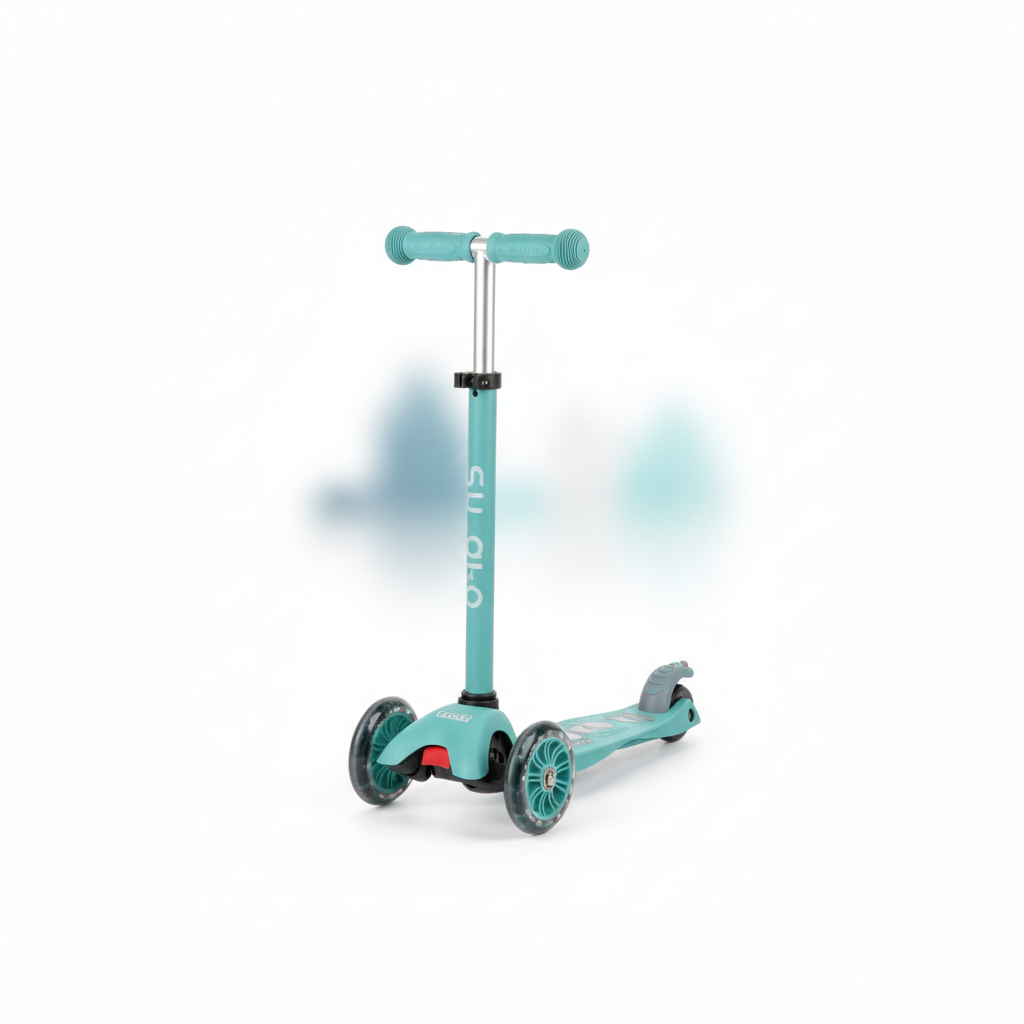
For toddlers and preschoolers just starting their scooting journey, a 3-wheel scooter is undoubtedly the best choice, prioritizing stability and ease of use over speed. These scooters typically feature two wheels at the front and one at the back, or vice versa, providing a wide, stable base that minimizes tipping. This design allows young riders to focus on steering and propulsion without constantly worrying about balance, fostering confidence and making the learning process enjoyable. Look for models with a lean-to-steer mechanism, which intuitively teaches children how to shift their weight to turn, a skill that translates well to more advanced riding.
Key features to consider include adjustable handlebars to accommodate growth, ensuring the scooter can be used for several years. A wide deck is also beneficial, providing ample space for small feet and further enhancing stability. While some 3-wheel scooters offer a removable seat, transforming them into a ride-on toy, this feature can be particularly useful for very young children who are still developing their standing balance. However, the seated mode's utility might be brief, as most children quickly want to stand and scoot. Durable wheels, often made of polyurethane, are essential for a smooth ride on various surfaces, and a reliable foot brake is a must-have for safe stopping. Prioritizing quality construction from reputable brands ensures longevity and better performance, making the investment worthwhile.
Transitioning to 2-Wheel Scooters: What to Consider
The move from a 3-wheel to a 2-wheel scooter marks a significant milestone in a child's development, indicating improved balance, coordination, and confidence. This transition typically occurs between the ages of 5 and 8, though it varies greatly depending on the individual child's skill level. Before making the switch, observe your child's proficiency on their 3-wheel scooter: are they confidently steering, braking, and maintaining balance even at higher speeds? If they are consistently seeking more challenge and seem to have mastered their current ride, they're likely ready for a 2-wheel model.
When selecting a 2-wheel scooter, the most critical factor is size and fit. The handlebars should be adjustable to hip height, allowing for a comfortable upright riding posture. Wheel size also plays a crucial role; smaller wheels (around 100-120mm) are more nimble and better suited for tricks and smooth surfaces, while larger wheels (140mm+) offer a smoother ride over varied terrain and are excellent for commuting or longer distances. Consider the deck size and material as well; a wider, longer deck provides more foot room, while aluminum construction offers a good balance of durability and lightness. While the initial learning curve can be steep, encouraging practice in a safe, open space will quickly build the necessary skills. For more comprehensive advice on choosing the right ride for your child, check out our guide on Ride-On Toys for Kids: The Complete Buying Guide (2026).
Safety First: Essential Scooter Safety Tips
Regardless of whether your child is riding a 3-wheel or 2-wheel scooter, safety should always be the paramount concern. The single most important piece of safety equipment is a well-fitting helmet. It's non-negotiable and should be worn on every ride, no matter how short or how slow. Ensure the helmet meets safety standards (like CPSC in the US) and fits snugly without wobbling, covering the forehead without obstructing vision. Beyond helmets, knee and elbow pads offer crucial protection against scrapes and impacts, especially for younger or less experienced riders. Wrist guards can also prevent common wrist injuries from falls. Establishing these gear habits early on makes them second nature as children grow.
Beyond protective gear, teaching children safe riding practices is vital. Always emphasize riding in well-lit areas, away from traffic, and on smooth, dry surfaces. Before each ride, a quick inspection of the scooter is advisable: check that the wheels spin freely, brakes are responsive, and all clamps and bolts are secure. Teach your child about anticipating obstacles, looking out for pedestrians, and understanding basic traffic signals if riding near roads. Discuss the importance of not riding at excessive speeds, especially downhill, and practicing safe stopping techniques. Leading by example and consistently reinforcing these safety principles will help instill a responsible approach to scooting, allowing children to enjoy their ride with minimized risks.
Alternatives to Scooters: Other Ride-On Fun
While scooters offer a fantastic blend of fun, outdoor activity, and skill development, they aren't the only game in town for active kids. For younger children, especially those not quite ready for the dynamic balance and steering required by even a three-wheel scooter, push cars and ride-on toys provide a stable, seated alternative that still encourages movement and exploration. These often feature wider bases and lower centers of gravity, making them ideal for developing leg strength and a sense of independent mobility without the steep learning curve. Think of them as excellent pre-scooter options that build confidence.
As children grow, and depending on their individual interests and coordination, other ride-ons can complement or even temporarily replace a scooter. Balance bikes are arguably the best pre-cursor to a pedal bike, teaching essential two-wheel balance in a low-risk environment, often before a child is ready for a two-wheel scooter. If your primary goal is to foster cycling skills, a balance bike might be a more direct route than a scooter, though many children enjoy both. For a comprehensive look at various options, including pedal cars and electric ride-ons, consider exploring our guide on the Ride-On Toys for Kids: The Complete Buying Guide (2026).
Beyond balance bikes, tricycles and pedal bikes with training wheels are also popular choices. Tricycles offer a very stable pedaling experience for toddlers, introducing the concept of propulsion and steering without the balance challenge. Once a child masters a tricycle, moving to a pedal bike with training wheels, or even directly to a pedal bike if they've used a balance bike, becomes the next natural progression. These options focus more on pedaling and sustained movement over longer distances, whereas scooters excel in quick bursts of speed and agility in smaller spaces. Each type of ride-on offers unique benefits, making the best choice dependent on a child's age, motor skills, and the specific developmental goals parents have in mind.
Who Should Skip a Scooter (For Now)
While scooters are wildly popular, they're not a universal fit for every child, especially at very young ages or if certain developmental milestones haven't been met. Primarily, children under 18 months to 2 years old are generally too young for even the most stable three-wheel scooter. Their core strength, balance, and coordination are still developing significantly, making it difficult to stand securely, push off, or steer effectively. Introducing a scooter too early can lead to frustration or, worse, falls that could deter them from ride-on toys altogether. For this age group, seated ride-ons or push toys are much more appropriate.
Another group who might benefit from holding off are children with significant gross motor skill delays or balance issues. Scootering, even on a stable three-wheel model, requires a certain degree of proprioception and vestibular processing – the sense of one's body in space and balance. If a child struggles with these areas, introducing a scooter without adequate support or prior development of these skills can be counterproductive. It's often better to work on foundational skills through other activities, like walking on varied surfaces, playing on playgrounds, or using simpler ride-ons, before moving to a scooter.
Furthermore, children who exhibit poor impulse control or a lack of spatial awareness might find scooters challenging, particularly in environments with other people or obstacles. Scooters can quickly pick up speed, and the ability to anticipate and react to surroundings is crucial for safety. If a child frequently bumps into things, struggles to follow simple safety instructions like
Related CheeklyPicks guides & reviews
Keep researching with these CheeklyPicks pages—each one answers a related buying question without repeating the same thin affiliate fluff:
Frequently asked questions
What age is appropriate for a 3-wheel scooter? Three-wheel scooters are generally suitable for children as young as 1 to 2 years old, especially models with a seated option. They offer superior stability and help young children develop balance and coordination before moving to more advanced models.
When should my child transition from a 3-wheel to a 2-wheel scooter? Children are typically ready for a 2-wheel scooter between the ages of 5 and 8, once they have demonstrated good balance and control on a 3-wheel model. Look for signs of confidence, agility, and a strong understanding of steering and braking.
What are the most important safety features to consider for a kids' scooter? Crucial safety features include a reliable foot brake, a sturdy and non-slip deck, and adjustable handlebars that can be set to the child's height. Additionally, ensure the scooter has durable wheels and a stable frame to prevent tip-overs and ensure a smooth ride.
Are there any alternatives to scooters for active kids? Yes, for active kids, alternatives include balance bikes for developing two-wheel coordination, pedal bikes for more advanced riding, and various ride-on toys that cater to different age groups and developmental stages. Each offers unique benefits for physical activity and outdoor play.
Paid link / #CommissionsEarned. As an Amazon Associate I earn from qualifying purchases. Learn more