Reseña · 14 min de lectura · Actualizado 2026-08-06
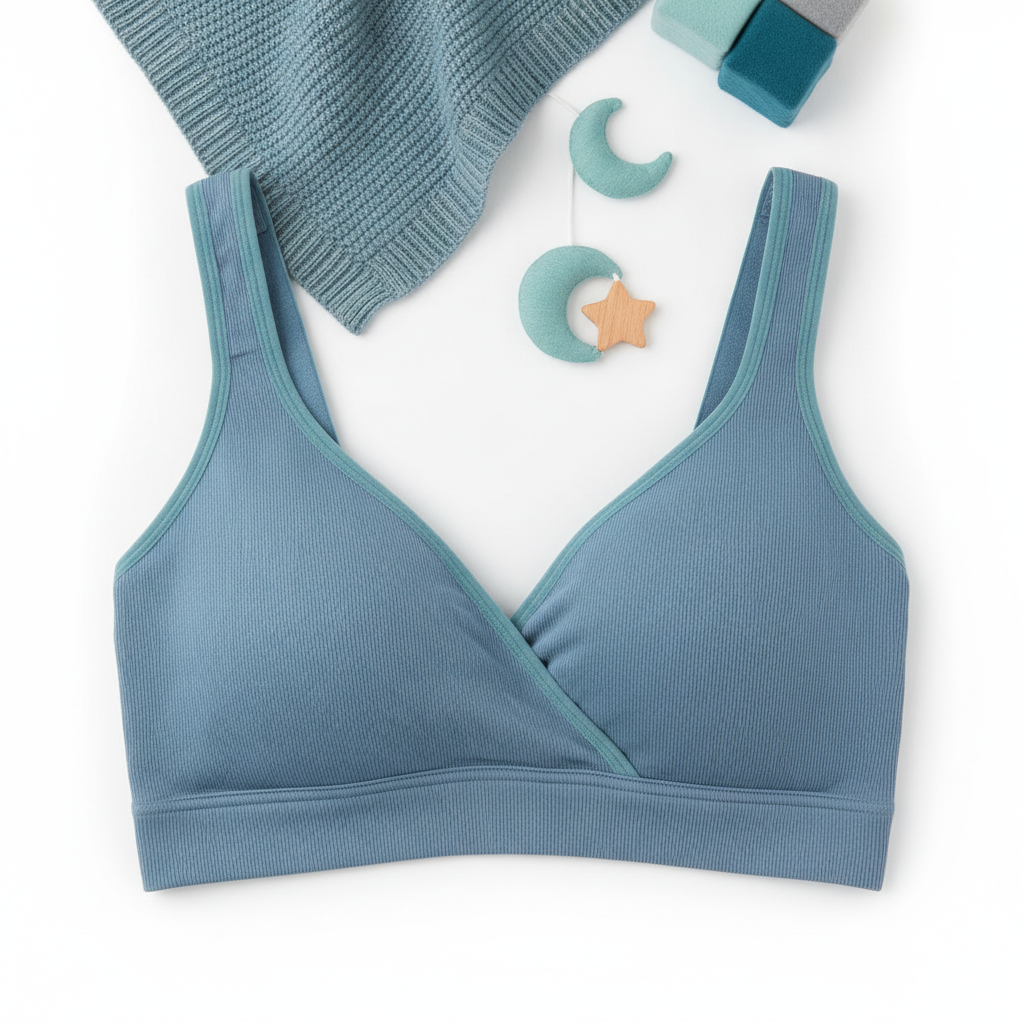
Kindred Bravely Simply Sublime Nursing Bra
Best Nursing Bras of 2026: Comfortable, Easy-Access Picks
¿Necesitas una reseña que no está en esta lista?
Cuéntanos qué necesitas—lo investigamos y te avisamos cuando esté listo.
Finding the best nursing bra means prioritizing comfort and easy access as your body changes. We focus on fit through supply changes, support, and essential features for new parents.
Veredicto
The best nursing bras offer exceptional comfort, adaptability through fluctuating breast size, and convenient one-handed access for feeding. While some prioritize extreme softness, others deliver superior support; your ideal pick depends on whether you value gentle comfort or robust structure more. These top selections are designed to make your feeding journey smoother, focusing on your comfort and baby's needs.
Why a Good Nursing Bra Matters for New Parents
A quality nursing bra is far more than just another undergarment; it's a foundational piece of support for new parents navigating the often-unpredictable journey of breastfeeding or pumping. The physical changes your body undergoes during pregnancy and postpartum, particularly in your breast tissue, demand a different kind of support than standard bras can offer. A well-designed nursing bra provides gentle yet firm support without constricting delicate milk ducts, which is crucial for preventing discomfort, clogged ducts, and even mastitis. It also helps maintain breast shape and reduces strain on your back and shoulders, especially as your breasts fluctuate in size throughout the day due to milk production.
Beyond physical comfort, the right nursing bra significantly impacts convenience and ease of feeding. Imagine fumbling with hooks or struggling to access your breast while a hungry baby cries – a frustrating scenario many new parents experience with ill-fitting or poorly designed bras. The best nursing bras feature intuitive, one-handed clasps or pull-aside designs that make feeding or pumping discreet and efficient, whether you're at home or out and about. This seamless access reduces stress during feeding times, allowing you to focus on bonding with your baby. Furthermore, many nursing bras are crafted from soft, breathable fabrics that are kind to sensitive skin, preventing chafing and irritation – common complaints when breasts are engorged or recovering.
Investing in a few good nursing bras isn't a luxury; it's a practical necessity that contributes to your overall well-being and the success of your feeding journey. From the early days of frequent feeds to the later stages of pumping at work, these bras adapt to your changing needs, offering consistent comfort and support. Think of it as an essential tool that streamlines your routine, making the demanding job of nurturing a newborn a little bit easier and much more comfortable. Pair it with supportive accessories like a comfortable nursing pillow to further enhance your feeding experience and reduce physical strain.
What to look for (ideal feature checklist)
Before you buy, use this CheeklyPicks checklist. Strong options usually clear most of these bars:
• One-handed clip or pull-aside access • Soft, breathable fabric (cotton, bamboo, modal) • Wire-free or flexible underwire support • Adjustable band and straps (at least 4 hooks) • Wide, comfortable shoulder straps to prevent digging • Ample stretch for fluctuating breast size • Seamless design to prevent irritation • Discreet look under clothing
Our Checklist for the Best Nursing Bras
When evaluating nursing bras for our top picks, we prioritize several key features that directly address the unique needs of new parents. First and foremost is comfort. This means soft, breathable fabrics like cotton, modal, or bamboo blends that are gentle against sensitive skin and can wick away moisture. Seams should be minimal and flat, preventing irritation, especially around the nipple area. Underwire, if present, should be flexible and provide lift without digging in or compressing milk ducts – though many prefer wire-free options for maximum comfort and peace of mind. Stretch is also vital, allowing the bra to adapt to daily fluctuations in breast size due to milk supply.
Easy access for feeding or pumping is non-negotiable. Look for designs with simple, durable one-handed clasps that unhook and re-hook smoothly. Magnetic closures can be convenient but may not be ideal for those with pacemakers. Pull-aside or crossover styles offer quick, wire-free access without clasps, making them great for nighttime or casual wear. For pumping parents, specific pumping bras or hybrid nursing-and-pumping bras with built-in flanges access are game-changers, eliminating the need to change bras.
Support and adjustability are crucial for accommodating your changing body. Wide, comfortable straps that don't dig into your shoulders are essential, as is a wide band under the bust for stability. Adjustable hooks and eyes on the band allow you to customize the fit as your rib cage contracts postpartum and as your breast size fluctuates. Padded or lined cups can offer discretion and shape, while a lack of padding provides more flexibility for size changes. Finally, durability is important; these bras will be washed frequently, so strong stitching and quality materials are key to ensure they hold up over time without losing their shape or elasticity.
Sizing Through Supply Changes: A Different Kind of Fit
Sizing for a nursing bra is fundamentally different from purchasing a standard bra, primarily because your body, and especially your breasts, will undergo significant fluctuations in size and shape throughout your breastfeeding or pumping journey. It’s less about finding the perfect static size and more about finding a bra that can accommodate a range of sizes. Many new parents find themselves needing to size up, not just in cup size but often in band size too, during late pregnancy and the initial postpartum weeks when engorgement is common. Your rib cage may still be expanded from pregnancy, and your breasts will be heavier and fuller than usual. Therefore, taking measurements when you are comfortably full (e.g., before a feed or pump session) and then adding a little extra room for growth can be a good starting point.
During the initial weeks, especially, prioritize bras with ample stretch and adjustability. A good rule of thumb is to look for bras that feel slightly loose when your breasts are at their fullest, ensuring they won't become uncomfortably tight when engorged. The band should be snug on the loosest hook to allow room to tighten it as your rib cage returns to its pre-pregnancy size. Cup-wise, aim for no gaping when empty, but definitely no spilling over when full. The fabric should gently encapsulate your entire breast without digging in anywhere, particularly under the arms or at the top of the cup. Remember that breast size can change dramatically within a single day, so a bra that offers flexibility in its fit is paramount.
Don't be surprised if your bra size changes multiple times over the course of your feeding journey. As your milk supply regulates, your breasts may become less prone to extreme engorgement, potentially requiring a slightly different size or style. It's often helpful to invest in a few adjustable, highly stretchy
Top Picks: Comfort, Support & Easy Access Compared
Navigating the world of nursing bras means acknowledging that your body will undergo significant changes, not just during pregnancy but throughout your breastfeeding journey. This isn't your typical bra shopping experience where you find a size and stick with it. Instead, think about sizing up from your pre-pregnancy or early pregnancy measurements to accommodate fluctuations in breast size as your milk supply establishes and changes throughout the day. The best nursing bras for 2026 prioritize this adaptability, offering stretch and flexible cup designs that can comfortably cradle breasts whether they're full or recently emptied. We've focused on models that provide reliable support without restrictive underwire, which can sometimes contribute to clogged ducts or discomfort, especially in the early weeks. Look for designs with wide, cushioned straps that distribute weight evenly, preventing shoulder strain, and soft, breathable fabrics like cotton or modal that feel gentle against sensitive skin.
When it comes to easy access, the effectiveness of a nursing bra's clasp or clip mechanism is paramount. You'll be operating these with one hand, often in low light or while holding a hungry baby. Our top picks feature durable, intuitive clips that unfasten smoothly and silently, allowing for discreet and efficient feeding. Some models offer a simple drop-down cup, while others might have a pull-aside design or a more complex but secure magnetic closure. The goal is seamless access that doesn't require a wrestling match with your bra. Beyond the clips, consider the overall coverage and shaping. While some prefer a more structured look, many nursing parents appreciate a softer, wire-free design that molds to their changing shape, offering comfort for both day and night wear. We've weighed these factors carefully, prioritizing bras that consistently deliver on both comfort and functionality, ensuring they can stand up to the rigorous demands of daily wear and frequent washes, making your breastfeeding experience as smooth as possible.
Understanding Different Nursing Bra Styles
The market for nursing bras has expanded significantly, offering a range of styles designed to meet various needs and preferences. Soft-cup nursing bras, often made from stretchy fabrics like cotton, bamboo, or modal, are a popular choice, particularly for the early postpartum weeks and overnight wear. These bras are typically wire-free, providing gentle support and maximum comfort, accommodating fluctuating breast sizes without constriction. They often feature simple pull-aside or fold-down access, making them incredibly practical for frequent feedings. While they might not offer the same level of shaping as a structured bra, their flexibility is unmatched, and they are excellent for preventing pressure points that could lead to discomfort or potential issues like mastitis.
For those seeking more shape and support, lightly padded or molded cup nursing bras offer a smoother silhouette under clothing. These often come with flexible underwire alternatives or supportive band structures that lift and separate without digging in. While traditional underwire is generally advised against in early postpartum due to potential pressure on milk ducts, many modern nursing bras with underwire are specifically designed with flexible, supportive wires that are less likely to cause issues. However, always ensure a proper fit to avoid any discomfort. Hands-free pumping bras are another distinct style, featuring specialized openings to hold pump flanges securely in place, allowing you to multitask while expressing milk. Some versatile designs even combine nursing and pumping features, offering dual functionality. Finally, nursing sports bras provide the necessary support for light to moderate activity, ensuring comfort and easy access during workouts, a crucial consideration for active parents balancing fitness with feeding. Remember, just as important as the bra style is ensuring you're also taking care of your skin with products like the best nipple creams, especially in the early days of breastfeeding.
Tips for Choosing the Right Nursing Bra for You
Choosing the
Caring for Your Nursing Bras
Proper care is essential to extending the life of your nursing bras, especially given how frequently they'll be washed and worn. The delicate fabrics and intricate clasps common in nursing bra designs require a gentler approach than your everyday laundry. Always check the manufacturer's care label first, but as a general rule, hand washing in cold water with a mild detergent is ideal. This helps preserve the elasticity of the fabric, prevents stretching or warping of the cups, and protects the integrity of the nursing clips. If hand washing isn't feasible for your busy schedule, using a mesh laundry bag in a delicate cycle with cold water can offer some protection.
Avoid harsh detergents, bleach, and fabric softeners, as these can break down the fibers and reduce the bra's longevity and support. When it comes to drying, air drying is always the safest bet. Lay your bras flat or hang them to dry, away from direct sunlight or heat. Tumble drying, even on a low setting, can damage elastic and reshape the cups, leading to a less comfortable and supportive fit over time. Patience with air drying will pay off in the long run, ensuring your investment in quality nursing bras continues to provide the comfort and accessibility you need.
Keep in mind that frequent washing is a reality with nursing bras due to milk leaks and general wear. Having a few bras in rotation allows you to maintain proper hygiene without over-washing any single item, giving each bra a chance to recover its shape. For unexpected leaks between washes, consider using nursing pads, which can also extend the time between washes and protect your clothing. Should you experience discomfort or irritation from frequent feeding, pairing your bras with a soothing product like one of the Best Nipple Creams of 2026 can make a significant difference in your overall comfort.
When to Consider Other Options
While nursing bras are designed for convenience and comfort during your breastfeeding journey, there are specific situations where they might not be the best or only solution. For instance, in the very early postpartum days, when your milk supply is still establishing itself and engorgement is common, a soft, wire-free maternity bra or even a simple camisole with built-in support might be more comfortable. The fluctuating breast size during this period can make even the most forgiving nursing bra feel restrictive. Once your supply regulates, usually a few weeks after birth, you'll have a better sense of your consistent cup size, making it easier to find a well-fitting nursing bra.
Another scenario where you might want to consider alternatives is for sleeping. Many nursing bras, even soft ones, can feel too constricting for overnight wear, especially if you experience overnight engorgement or simply prefer minimal coverage. Soft sleep bras or even stretchy tank tops designed for nursing can provide light support, hold nursing pads in place, and offer easy access for nighttime feedings without the pressure of a traditional bra. These options prioritize comfort and unrestricted movement, which are crucial for restful sleep.
Finally, as your breastfeeding journey progresses and your baby starts solids, your feeding frequency might decrease. At this point, you might find that you no longer need the specialized features of a nursing bra for every occasion. For infrequent feeds or outings where you desire a more traditional bra aesthetic, a regular bra with flexible cups that can be easily pulled down or to the side might suffice. Some women also find that wire-free everyday bras offer enough stretch and comfort to accommodate occasional nursing without needing dedicated nursing clasps. It's about finding what works best for your changing needs and comfort preferences throughout the entirety of your breastfeeding experience.
Related CheeklyPicks guides & reviews
Keep researching with these CheeklyPicks pages—each one answers a related buying question without repeating the same thin affiliate fluff:
Frequently asked questions
When should I buy nursing bras? It's often recommended to purchase your first nursing bras in the third trimester of pregnancy, as your breast size will be closer to what it will be postpartum. However, keep in mind that your size may continue to fluctuate in the weeks after delivery as your milk supply establishes.
How many nursing bras do I need? Most parents find that having three to five nursing bras is ideal. This allows you to have one to wear, one in the wash, and one or two spares for changes. Consider your laundry routine and activity level when deciding on the exact number.
Can I wear a nursing bra to sleep? Yes, many nursing bras are designed for comfortable overnight wear, especially softer, wire-free styles. Wearing a nursing bra at night can provide light support and help hold nursing pads in place, which can be useful for managing leaks.
What's the difference between a maternity bra and a nursing bra? Maternity bras are designed for comfort and support during pregnancy, accommodating growing breasts without nursing access. Nursing bras, on the other hand, specifically feature clips or pull-aside panels that allow for easy, one-handed breast access for feeding, making them essential for postpartum use.
Enlace de pago / #CommissionsEarned. Como Asociado de Amazon, gano comisiones por compras que califican. Más información