Reseña · 14 min de lectura · Actualizado 2026-08-06
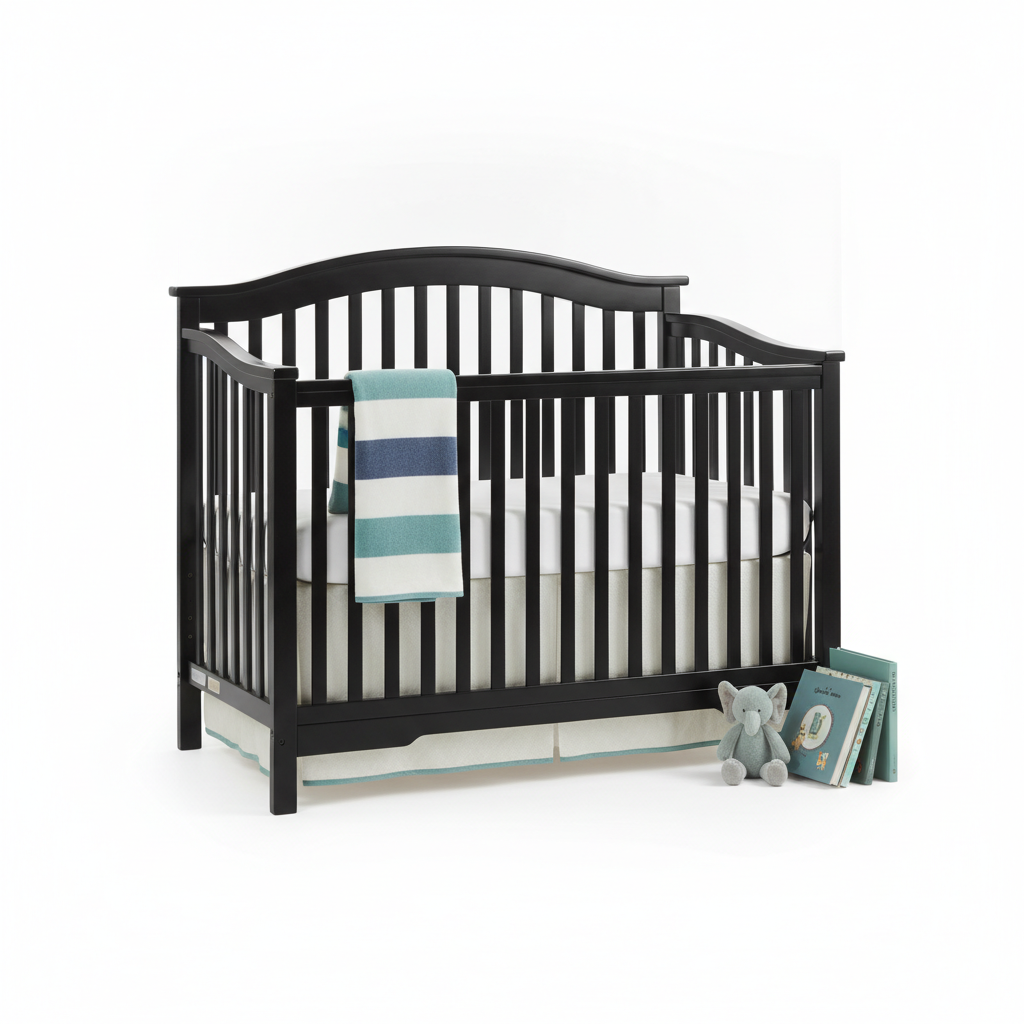
Delta Children Canton 4-in-1 Convertible Crib
Crib Buying Guide 2026: How to Pick a Crib That's Actually Safe
¿Necesitas una reseña que no está en esta lista?
Cuéntanos qué necesitas—lo investigamos y te avisamos cuando esté listo.
Navigating the world of baby cribs can be overwhelming. This guide cuts through the noise, focusing on what truly matters for safety and peace of mind: convertible vs. standard designs, critical slat spacing, and essential mattress-support adjustability, ensuring you choose the best crib for your little one.
Veredicto
This crib buying guide is for new parents prioritizing safety and informed decisions over overwhelming options. It helps you understand the key distinctions and must-have features in cribs, enabling you to select a model that grows with your child while meeting stringent safety standards. The main tradeoff is the initial time investment in understanding these nuances, but it pays off with a secure and adaptable sleeping environment.
Understanding Crib Types: Convertible vs. Standard
When embarking on your crib search, one of the first major decisions you'll face is choosing between a convertible crib and a standard crib. A standard crib serves its primary purpose until your child outgrows it, typically around 2-3 years of age, at which point you'll need to transition to a toddler bed or twin bed. These are generally less expensive upfront and simpler in design, often appealing to parents who prefer a straightforward solution or plan to reuse the crib for subsequent children.
Convertible cribs, on the other hand, offer longevity by transforming into other bed types as your child grows. Most commonly, they convert into a toddler bed (with or without a guardrail), a daybed, and sometimes even a full-size bed. While the initial investment for a convertible crib is usually higher, and you'll often need to purchase separate conversion kits (rails, footboards, etc.) later on, this option can save you money in the long run by eliminating the need to buy multiple beds. This long-term value is a significant draw for many families, offering a more sustainable and less frequent furniture shopping experience.
The real consideration here isn't just cost, but practicality and your family's future plans. If you anticipate needing a crib for multiple children in quick succession, a standard crib might be more efficient as each child can use it sequentially. However, if you prefer the idea of a single piece of furniture evolving with your child's needs over many years, a convertible crib offers unmatched versatility. Remember to factor in the cost and availability of conversion kits when making your decision, as these can vary significantly between brands and models.
What to look for (ideal feature checklist)
Before you buy, use this CheeklyPicks checklist. Strong options usually clear most of these bars:
• JPMA certification for safety standards • Adjustable mattress support with at least 3 positions • Slat spacing no more than 2 3/8 inches (6 cm) apart • Non-toxic finishes and materials (Greenguard Gold certified is a plus) • Solid wood construction for durability • Easy assembly with clear instructions • Convertible options for long-term use (toddler bed, daybed)
Essential Safety Standards: What to Look For
Safety is paramount when selecting a crib, and understanding the key standards will guide you toward a secure choice. The most crucial safety aspect is ensuring the crib meets current Consumer Product Safety Commission (CPSC) regulations and ASTM International standards. These standards dictate everything from slat spacing to the strength of the mattress support. Always look for certifications from these bodies to guarantee the crib has undergone rigorous testing. Avoid any cribs manufactured before June 2011, as these may not meet current, stricter safety standards, particularly concerning drop sides.
One of the most critical safety features to inspect is the slat spacing. Federal regulations mandate that crib slats must be no more than 2 3/8 inches (approximately 6 centimeters) apart. This narrow spacing prevents a baby's head or limbs from becoming entrapped, a serious hazard. You can test this by trying to pass a soda can between the slats – if it fits, the slats are too wide. Additionally, ensure there are no missing, loose, or cracked slats that could compromise the structural integrity of the crib. The crib's overall construction should be solid, with no sharp edges, splinters, or protruding hardware that could snag clothing or injure your baby.
Another vital safety component is the mattress support system. This should be sturdy and secure, typically made of metal or wood, and capable of holding the mattress firmly in place. Most modern cribs offer adjustable mattress heights, allowing you to lower the mattress as your baby grows and becomes more mobile. This prevents them from climbing out. Ensure the adjustment mechanism is secure and easy to operate. For a comprehensive guide on selecting the perfect fit, refer to our [/reviews/crib-mattress-buying-guide]. Always check that the mattress fits snugly within the crib frame, with no more than two fingers' width of space between the mattress and the crib sides, to prevent entrapment hazards.
Key Features to Consider in a Crib
Beyond the fundamental safety aspects, several features contribute to the functionality, convenience, and longevity of a crib. One often-overlooked but crucial feature is mattress-support adjustability. Most cribs offer at least two, if not three or four, adjustable mattress height settings. The highest setting is ideal for newborns, making it easier for parents to lift and lay down their infant without excessive bending. As your baby grows and starts to push up, sit, and eventually stand, you'll need to lower the mattress to prevent them from climbing out of the crib. Ensure the adjustment mechanism is intuitive, secure, and doesn't require excessive effort, as you'll be using it frequently.
Another practical consideration is the crib's footprint and mobility. If you have limited space or plan to move the crib between rooms, features like locking caster wheels can be incredibly convenient. While not all cribs offer wheels, those that do provide flexibility. Pay attention to the overall dimensions to ensure it fits comfortably in your nursery without overcrowding the space. Also, consider the crib's weight; while you won't be moving it often, a lighter crib might be easier to assemble or reposition if needed.
Finally, think about the materials and finish of the crib. Most cribs are made from wood (solid wood or engineered wood) or metal. Solid wood cribs are generally more durable and can withstand more wear and tear, but they often come with a higher price tag. Ensure any finishes are non-toxic and lead-free, adhering to CPSC regulations. Look for GREENGUARD Gold certified products if you prioritize minimizing chemical emissions in your home. The aesthetic appeal is certainly a factor, but always prioritize safety and functionality over style. A well-constructed crib with thoughtful features will serve your family best.
Choosing the Right Crib Mattress Support
One of the most critical, yet often overlooked, aspects of crib safety and longevity is the mattress support system. While seemingly simple, the mechanism that holds the mattress in place directly impacts your baby's safety as they grow. Most cribs offer adjustable mattress heights, a feature designed to keep your baby secure as they develop new skills. When your newborn first arrives, the highest setting allows for easy access, minimizing strain on your back during late-night pickups. However, once your baby starts pushing up on their hands and knees, typically around 3–6 months, it's crucial to lower the mattress to the middle setting. The lowest setting becomes essential when your little one can stand, usually between 6–9 months, preventing them from climbing out. Failing to adjust the mattress height as your baby grows is a common safety oversight that can lead to falls and injuries.
Beyond adjustability, the type of mattress support varies. The most common and generally reliable options are spring-loaded metal supports or wooden slats. Metal supports, often found in more budget-friendly or standard cribs, are durable and offer consistent support over time. They are less prone to warping and can withstand repeated mattress adjustments. Wooden slat supports, on the other hand, are common in higher-end or convertible cribs, often matching the crib's aesthetic. While aesthetically pleasing, it's vital to ensure these slats are thick, securely fastened, and spaced closely enough to prevent any mattress sagging or gaps. Look for cribs where the wooden slats are explicitly reinforced and not just thin pieces of wood that could snap over time or with a particularly active toddler jumping. Ultimately, prioritize robust construction in the mattress support, regardless of material, as it's the foundation of your baby's safe sleep environment. For more guidance on finding the perfect fit, refer to our comprehensive guide on [/reviews/crib-mattress-buying-guide].
Materials and Finishes: Keeping it Non-Toxic
The materials and finishes used in your baby's crib are paramount for their health, given that little ones spend a significant amount of time in their crib and have a tendency to mouth everything. Historically, cribs contained concerning levels of lead paint and other hazardous chemicals, but modern regulations have significantly improved safety standards. Today, look for cribs made from solid wood like pine, maple, or birch. These are generally more durable and less likely to off-gas than engineered wood products (like MDF or particle board) which often contain formaldehyde-based adhesives. If opting for engineered wood, ensure it's certified to meet strict low-VOC (Volatile Organic Compound) emissions standards. Certifications like GREENGUARD Gold are excellent indicators that a product has been tested for thousands of chemical emissions, ensuring it contributes to healthier indoor air quality.
When it comes to finishes, the primary concern is the presence of non-toxic, lead- and phthalate-free paints and stains. The Consumer Product Safety Commission (CPSC) regulates lead content in children's products, but looking for additional certifications or manufacturer transparency about their finishing processes provides an extra layer of reassurance. Water-based finishes are often a safer bet than oil-based ones due to lower VOC content. Also, consider the crib's overall construction and any additional materials, such as plastic components or hardware. Ensure any plastic is BPA-free and that all hardware is made from lead-free metals. While it might seem like a lot to consider, prioritizing these material and finish details is an investment in your baby's long-term health, minimizing exposure to potentially harmful substances during their most vulnerable developmental stages.
Budgeting for Your Baby's Crib
The price of a baby crib can range from under $100 to well over $1,000, creating a significant point of stress for many new parents. While it's tempting to think that a higher price always equates to better safety, this isn't necessarily true. All cribs sold in the U.S. must meet rigorous CPSC safety standards, meaning even a more affordable crib can be perfectly safe. The primary differences in price often stem from material quality, design complexity, brand reputation, and special features like convertibility.
Standard, non-convertible cribs are typically the most budget-friendly option, offering a safe sleep space without the added features for future stages. If you're on a tight budget or plan to have multiple children in relatively quick succession, a well-made standard crib can be a smart, economical choice. On the other hand, convertible cribs—which transform into a toddler bed, daybed, and sometimes a full-size bed—represent a higher upfront investment but offer long-term value by eliminating the need to purchase separate beds as your child grows. It's crucial, however, to factor in the cost of conversion kits (guard rails, full-size bed rails), which are often sold separately and can add hundreds to the total cost. When budgeting, consider not just the crib's initial price but also any necessary accessories like a compatible mattress, conversion kits, and even delivery and assembly fees. A realistic budget accounts for the entire lifecycle of the crib, helping you make an informed decision that balances safety, durability, and your financial comfort without compromise.
When to Consider a Mini Crib or Bassinet
While full-sized cribs are the standard for long-term use, a mini crib or bassinet might be a more practical choice for the initial months, especially if space is at a premium or you plan to room-share. Bassinets are designed for newborns up to a certain weight or developmental milestone (usually when they start pushing up on hands and knees), typically lasting for the first 4-6 months. Their compact size makes them easy to place next to your bed, facilitating nighttime feedings and comforting. However, keep in mind that bassinets have a limited lifespan, meaning you'll still need to transition to a crib relatively quickly. Some bassinets offer portability or smart features like gentle rocking, but the primary benefit is their small footprint and proximity.
Mini cribs offer a longer use-period than bassinets, often accommodating babies up to 18-24 months, depending on the model and the child's size. They are about two-thirds the size of a standard crib, making them ideal for smaller nurseries, apartments, or as a secondary sleep space in another room. Many mini cribs are also foldable, which can be a huge plus for families who move frequently or want to store the crib away between children. The main trade-off is that mini cribs require specific, smaller mattresses and sheets, which can sometimes be less readily available or offer fewer options compared to standard crib accessories. You’ll also need to consider if your baby will outgrow it sooner than a full-sized crib, potentially necessitating an earlier transition to a toddler bed.
The decision between a bassinet, mini crib, or going straight to a full-sized crib often comes down to your living situation, budget, and desired duration of use. If you have ample space and want a single solution for the duration of crib use, a standard crib is often the most cost-effective long-term choice. However, for those initial months where your baby is sleeping in your room, a bassinet can be invaluable. If space constraints are a permanent factor, a mini crib provides a safe, comfortable sleep environment for a significant portion of your child's crib-sleeping years without overwhelming the room. Always ensure that any mini crib you choose meets current safety standards, just like its full-sized counterpart. You can find more information on mattress choices in our guide: The Complete Crib Mattress Buying Guide (2026).
Cribs to Avoid: Red Flags and Recalls
When navigating the vast world of cribs, knowing what to avoid is just as crucial as knowing what to look for. Drop-side cribs are a significant red flag; these were recalled en masse and banned in 2011 due to numerous infant injuries and deaths caused by hardware malfunctions leading to rail detachment and entrapment. While you might encounter them second-hand, under no circumstances should you purchase or use a drop-side crib, regardless of its apparent condition. Always opt for fixed-side cribs which provide a stable, secure sleep environment without the inherent risks of movable sides. Additionally, be wary of cribs with decorative cutouts in the headboard or footboard, as these can pose entrapment hazards for little limbs or heads. Simplicity in design is often synonymous with safety when it comes to cribs.
Another critical area to scrutinize is the history of recalls for specific models or brands. Before purchasing any crib, new or used, always check the Consumer Product Safety Commission (CPSC) website. A quick search can reveal if the crib has ever been recalled for safety defects, such as faulty hardware, lead paint, or structural instability. Even if a crib appears to be in perfect condition, a past recall indicates a design flaw that could still compromise its safety. This is particularly important for hand-me-down or second-hand cribs, where original purchase information might be lost, and components might be missing or incorrectly assembled. Never use a crib if parts are missing, broken, or if the instructions for assembly are unavailable, as improper assembly can severely compromise the crib’s structural integrity.
Finally, be cautious of cribs that don't clearly state compliance with current ASTM and CPSC safety standards. While most reputable manufacturers will prominently display this information, some imported or lesser-known brands might not. Look for clear labeling indicating that the crib meets ASTM F1169 (Standard Consumer Safety Specification for Full-Size Baby Cribs). Additionally, avoid cribs with excessively wide slat spacing – the gap between slats should be no more than 2 3/8 inches (about the width of a soda can) to prevent a baby's head from becoming entrapped. If you're considering a used crib, thoroughly inspect all hardware, joints, and the mattress support for any signs of wear, damage, or repairs that might weaken its structure. When in doubt, it’s always safer to invest in a new, certified crib rather than risking your child’s safety with a potentially compromised one.
Related CheeklyPicks guides & reviews
Keep researching with these CheeklyPicks pages—each one answers a related buying question without repeating the same thin affiliate fluff:
Frequently asked questions
What is the most important safety feature in a crib? The most important safety feature is proper slat spacing, which should be no more than 2 3/8 inches (6 cm) apart to prevent a baby's head from getting trapped. Additionally, always ensure the crib meets current JPMA (Juvenile Products Manufacturers Association) safety standards, indicated by a certification seal.
Should I buy a convertible crib? Convertible cribs offer long-term value by transforming into a toddler bed, daybed, and sometimes even a full-size bed. While often a larger initial investment, they can save money in the long run by eliminating the need to purchase new beds as your child grows, provided you plan to use all conversion stages.
How many mattress height positions should a crib have? An ideal crib should have at least three adjustable mattress height positions. This allows you to lower the mattress as your baby grows and becomes more mobile, preventing them from climbing out of the crib. Start with the highest setting for newborns for easier access, then lower it as they learn to sit and stand.
Are used cribs safe to buy? While it might seem cost-effective, buying a used crib can be risky unless you can verify its age and ensure it meets current safety standards. Older cribs may not comply with updated regulations, could have missing or damaged parts, or have been subject to recalls. It's often safer to invest in a new crib.
Enlace de pago / #CommissionsEarned. Como Asociado de Amazon, gano comisiones por compras que califican. Más información