Reseña · 14 min de lectura · Actualizado 2026-10-04
KeaBabies Original Wrap
Best Baby Wraps of 2026: Solly, Boba, KeaBabies & Baby K’tan
¿Necesitas una reseña que no está en esta lista?
Cuéntanos qué necesitas—lo investigamos y te avisamos cuando esté listo.
Best baby wraps in 2026: Solly for lighter modal, Boba or KeaBabies if you want to spend less, and Baby K’tan if you do not want to tie a long wrap.
Veredicto
Solly Baby Wrap for hot weather, Boba or KeaBabies for a lower price, Baby K’tan if you will not practice a tie. Move to a buckle carrier when you hit the wrap’s weight limit.
Best baby wraps of 2026: the short answer
If you want a stretchy newborn wrap, start here:
- Hot weather or a lighter fabric: Solly Baby Wrap. The listing is TENCEL Modal, one size, up to about 25 lb, and the brand says it is recognized by the International Hip Dysplasia Institute.
- Lower price, classic cotton: Boba Wrap. The listing is a cotton-spandex stretch wrap, about $40, with a stated range up to 35 lb.
- Under $30 on Amazon: KeaBabies Original Wrap. This is the value pick in our catalog. Full notes are in the KeaBabies wrap review.
- No long tail to tie: Baby K’tan Original. It is a sized, ready-to-wear loop carrier, not a 5-yard wrap. The listing says up to 35 lb.
- When a wrap feels like too much fabric: Moby Easy-Wrap, then a buckle carrier such as the Ergobaby Omni 360 once your baby is heavier.
A wrap is for the close, front carry in the early months. It is not the same product as a structured carrier, a ring sling, or a soft-structured toddler carrier.
What to look for (ideal feature checklist)
Use this before you compare brands:
- Weight range on the label. Stretchy wraps are a newborn tool. Solly’s listing stops around 25 lb. Boba and Baby K’tan listings go to 35 lb. When your baby hits the cap, move to a buckle carrier.
- Hip position. You want knees higher than the bottom, in an M shape. “Hip healthy” on a brand page is a starting point. The carry you tie still has to look like that.
- Fabric for your climate. Modal (Solly) is the lighter, cooler cloth. Cotton-spandex (Boba, KeaBabies) is softer to learn in and warmer.
- One size vs sized. A long wrap is one size. Baby K’tan is sold by your clothing size. A too-big K’tan sags. A too-small one rides up.
- Wash instructions you will actually follow. Newborns spit up. Machine-washable matters more than a print.
- A practice plan. Budget one calm session at home before a store trip. Most “I hate wraps” stories are a loose tie, not a bad brand.
Solly vs Boba vs KeaBabies vs Baby K’tan
These are listing facts, not a lab test.
Solly Baby Wrap (check price). Lightweight TENCEL Modal, about 5.5 yards, one size, IHDI recognition claimed by the brand, cap around 25 lb. Parents who live somewhere hot usually pay the premium for the thinner cloth. The learning curve is the same as any long wrap.
Boba Wrap (check price). Cotton with a little spandex, one size, knee-to-knee seat each time you tie it, listed to 35 lb. This is the usual “try wrapping without spending Solly money” pick. It runs warmer than modal.
KeaBabies Original Wrap (our review). The budget stretch wrap that already ranks when people search wrap and carrier terms. Buy it when price is the decision. If you already know you want modal, go to Solly instead of hoping a $30 jersey feels the same.
Baby K’tan Original (check price). Two loops, no rings, no buckles, sized to the wearer, cotton, listed to 35 lb. Choose it when you will not practice a 5-yard tie. Order the size that matches the brand’s chart, not your baby’s age.
Moby Easy-Wrap (product page). A shorter step than a classic long Moby wrap. Useful if you want the Moby name with less fabric to manage. It is not a substitute for reading the weight limit on the tag.
Stretchy wrap, woven wrap, or buckle carrier
Stretchy wrap: newborn to the weight on the label. Soft, close, slow to learn.
Woven wrap: a different skill and usually a later purchase. Do not buy a woven because a “best wraps” list mixed the two words.
Ready-to-wear (Baby K’tan): wrap feel, sized loops, faster on the first day.
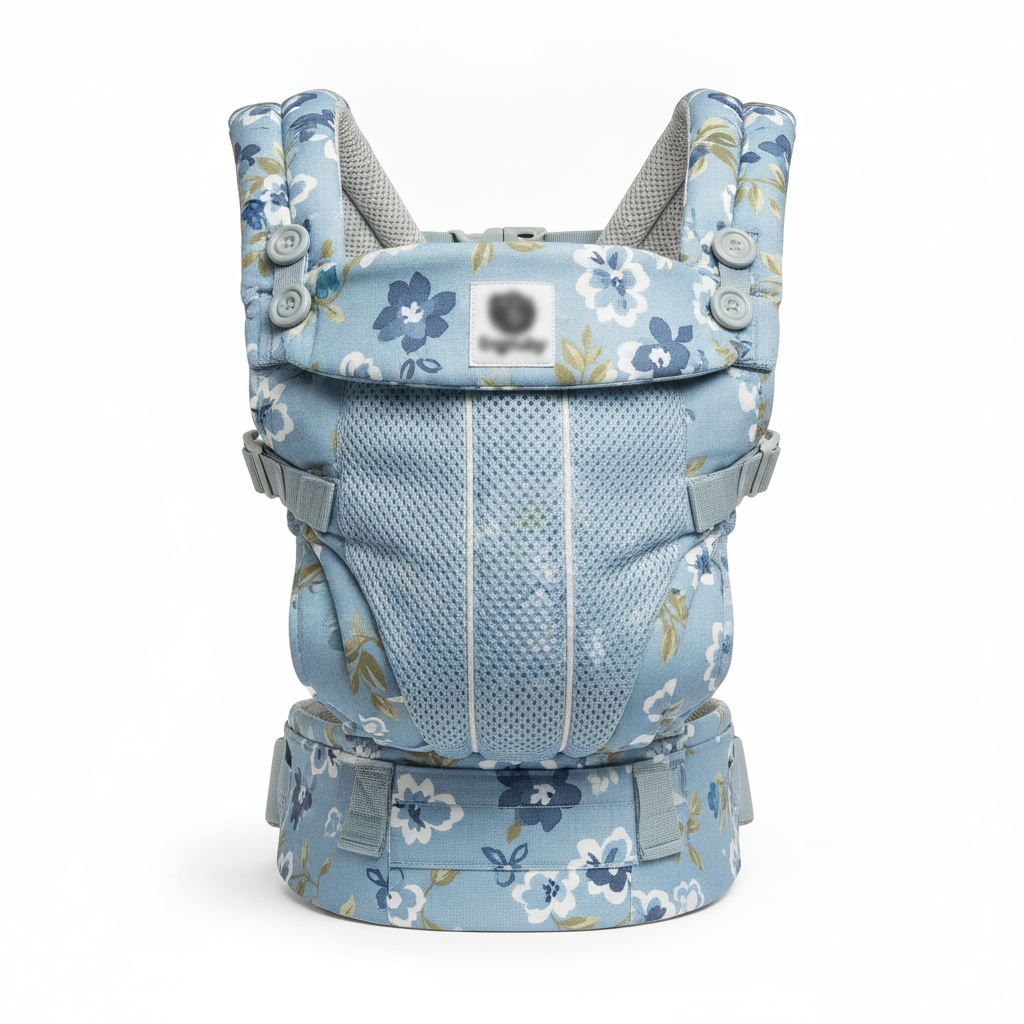
Buckle carrier: the next product, not a beginner wrap. See best baby carriers of 2026 for structured picks such as the Ergobaby Omni 360 once the wrap weight limit is close.
Safety notes before the first carry
Keep the baby’s face visible, chin off the chest, and nose and mouth clear. A wrap should be tight enough that you can lean forward slightly and the baby does not swing away from you.
Do not use a stretchy wrap for a back carry. Do not keep using a wrap past the weight on that model’s label. If your baby was premature or has hip concerns, ask the pediatrician which carry is appropriate before you follow a general guide.
CheeklyPicks did not lab-test these wraps. Weight limits and fabric claims above come from the current Amazon listings and brand descriptions. Recheck the label on the wrap you receive.
Who should skip a wrap
Skip a long wrap if you need the baby on your back this month, if you will not practice tying, or if a C-section incision makes abdominal pressure a bad idea right now. A sized Baby K’tan or a buckle carrier is the more realistic first carrier in those cases.
Skip Solly if the budget is the whole decision. Skip the cheapest jersey if you already overheat in a cotton shirt at home.
Frequently asked questions
What is the best baby wrap for a newborn? For most newborns, a stretchy wrap: Solly if you want lighter modal, Boba or KeaBabies if you want to spend less. Baby K’tan if you refuse to tie a long wrap.
What is the best baby wrap for hot weather? Solly’s TENCEL Modal listing is the one built for heat. Cotton wraps, including Boba and KeaBabies, feel warmer.
Is a baby wrap the same as a baby carrier? A wrap is one kind of carrier. Searches for “baby carrier” also mean buckle carriers. If your baby is past the wrap weight limit, use a structured carrier.
Are these hip healthy? Solly’s brand page says the wrap is IHDI-recognized. A certification does not fix a loose or low tie. Knees should be higher than the bottom.
Which wrap should I buy on a budget? The KeaBabies Original Wrap in our catalog, or the Boba if you want the longer-running cotton wrap brand.
Enlace de pago / #CommissionsEarned. Como Asociado de Amazon, gano comisiones por compras que califican. Más información