Reseña · 14 min de lectura · Actualizado 2026-08-06
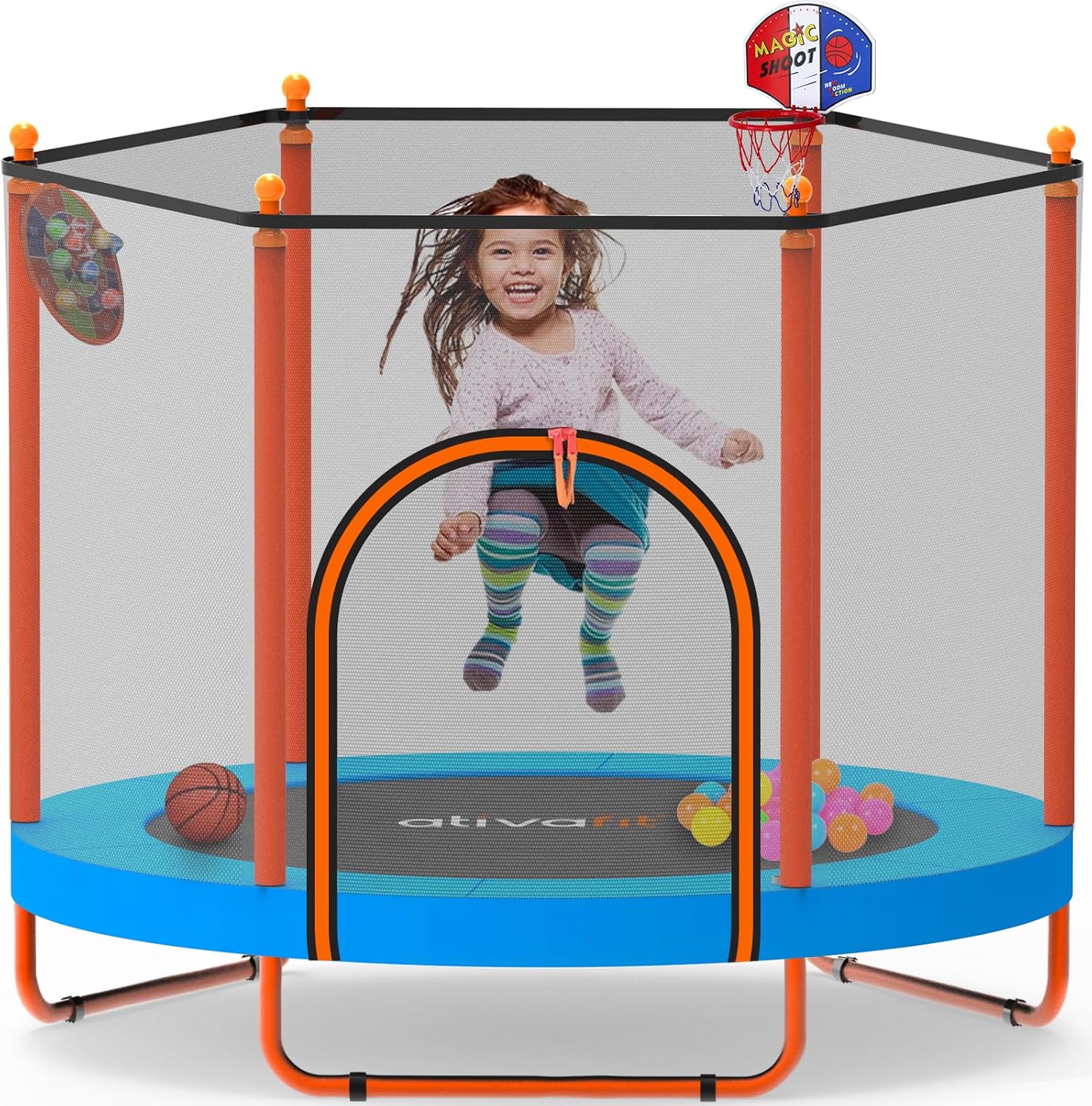
60'' Rebounder Trampoline Indoor Outdoor for Kids Ages 1-8
Post-Baby Belly: Safe Exercises, Wraps & Bands (2026 Guide)
¿Necesitas una reseña que no está en esta lista?
Cuéntanos qué necesitas—lo investigamos y te avisamos cuando esté listo.
Navigate postpartum recovery safely with our guide to exercises, belly wraps, and support bands. Understand what works, what's safe, and when to consult your doctor for a healthy recovery.
Veredicto
This guide is for new parents seeking evidence-based advice on recovering their post-baby belly, prioritizing safety and doctor's guidance over quick fixes. While focusing on effective strategies, it's crucial to understand that individual recovery varies greatly and medical consultation is paramount.
Understanding Your Post-Baby Belly
After childbirth, your body undergoes significant changes, and your belly is often a primary area of focus for many new parents. It's crucial to understand that the "post-baby belly" isn't just about weight gain; it involves a complex interplay of stretched abdominal muscles, shifting organs, and hormonal fluctuations. The uterus, which expanded dramatically during pregnancy, takes time to contract back to its pre-pregnancy size, a process known as involution. This can take several weeks, and during this time, the belly will naturally remain more prominent. Additionally, fluid retention and a temporary increase in fat stores, which are essential for breastfeeding and recovery, also contribute to the post-delivery appearance.
One of the most common concerns is diastasis recti, a separation of the rectus abdominis muscles (the "six-pack" muscles) down the midline of your abdomen. This occurs when the connective tissue called the linea alba stretches and thins. While a certain degree of separation is normal and expected during pregnancy, for some, it doesn't fully close afterward. It's important to be aware of the signs of diastasis recti, which can include a visible bulge or "doming" when you contract your abs, lower back pain, and pelvic floor dysfunction. Identifying this condition is critical because certain exercises can worsen it. Therefore, self-assessment or, ideally, a check by a healthcare professional, is a vital first step. Focusing on gentle, corrective exercises that stabilize the core rather than traditional crunches is often recommended in these cases. Our goal with this guide is to provide information for a safe and effective recovery, but always with a strong emphasis on professional medical guidance.
Another aspect often overlooked is the impact of core strength and pelvic floor health. Pregnancy and childbirth can significantly weaken these areas, leading to issues like incontinence or pelvic pain. Simply focusing on aesthetic changes without addressing the underlying structural and functional health of your core can be counterproductive and even harmful. This guide will explore safe ways to approach core strengthening, but it's paramount to approach recovery holistically, prioritizing your body's healing process above all else. Remember, every individual's journey is unique, and patience is key.
What to look for (ideal feature checklist)
Before you buy, use this CheeklyPicks checklist. Strong options usually clear most of these bars:
• Doctor's clearance for exercise • Proper fit and support for wraps/bands • Breathable and comfortable materials • Adjustable compression levels • Focus on core and pelvic floor rehabilitation • Guidance on diastasis recti assessment
Key Considerations Before Starting Any Routine
Before you even think about purchasing wraps, bands, or starting any exercise regimen, the single most critical step is obtaining clearance from your doctor or a qualified healthcare professional. This isn't just a recommendation; it's a non-negotiable requirement. Your body has undergone a monumental event, and regardless of how you feel, there may be internal healing that is not yet complete. A doctor can assess your individual recovery, check for diastasis recti, evaluate your pelvic floor, and identify any other post-delivery complications that might impact your ability to exercise safely. For instance, if you had a C-section, your incision needs significant time to heal before any direct abdominal work can be considered.
Beyond medical clearance, it's essential to set realistic expectations. Your body won't magically snap back to its pre-pregnancy state overnight, or even in a few months. Focus on small, sustainable goals rather than drastic transformations. Prioritize consistency and proper form over intensity. Pushing too hard too soon can lead to injury, worsen conditions like diastasis recti or pelvic organ prolapse, and ultimately prolong your recovery. Remember, your body has been a home for a new life, and it deserves patience and gentle care during its healing process. While you might see other parents online seemingly recovering faster, everyone's journey is unique, influenced by genetics, birth experience, breastfeeding status, and overall health.
When considering wraps and bands, understand their purpose and limitations. These products are generally not designed to "shrink" your belly or eliminate fat. Their primary role is often for support and compression, which can provide comfort, assist with posture, and sometimes help remind muscles to engage. They can be beneficial for alleviating back pain, especially during early postpartum, and some believe they aid in the involution of the uterus. However, improper use or reliance on wraps as a substitute for core strengthening can be detrimental. Over-tightening can restrict circulation, hinder muscle engagement, and even increase pelvic floor pressure. Always choose wraps designed specifically for postpartum use and follow manufacturer guidelines, alongside professional advice. They are an adjunct, not a solution.
Safe Postpartum Exercises: What to Look For
Once you've received medical clearance, the focus shifts to gentle and progressive exercises that prioritize core stability and pelvic floor health. Forget traditional crunches or planks in the early stages; these can exacerbate diastasis recti or put undue pressure on your healing pelvic floor. Instead, look for exercises that emphasize deep core engagement – specifically, activating your transverse abdominis, the deepest abdominal muscle that acts like a natural corset. Examples include pelvic tilts, diaphragmatic breathing (also known as belly breathing), and gentle TVA contractions performed while lying down.
Listen to your body throughout your workouts. Any pain, discomfort, or bulging in your abdomen (often referred to as "coning" or "doming") indicates that the exercise is too advanced or being performed incorrectly. It's crucial to stop and re-evaluate. Progress should be slow and steady. Initially, your routine might consist of just a few minutes of deep breathing and gentle movements. As your strength improves, you can gradually incorporate more challenging exercises such as modified planks on your knees, glute bridges, and bird-dog exercises, always ensuring your core remains engaged and your back stays protected. Many physical therapists specializing in postpartum recovery can provide personalized guidance and specific exercises tailored to your needs, especially if you're dealing with diastasis recti or pelvic floor issues. It's highly recommended to consult one if possible.
Beyond targeted core work, incorporating low-impact cardiovascular exercise is beneficial for overall health and mood. Walking is an excellent starting point and can be gradually increased in duration and intensity. As you recover further, activities like swimming or cycling (once cleared) can be good options. Remember, the goal is not to exhaust yourself but to rebuild strength and stamina safely. For those looking for an active way to engage with their children and get some exercise, a product like a Kids Trampoline can be a fun option for the whole family once you've fully recovered and cleared by a doctor for more dynamic activities. You can read more about safe options at /products/other-best-kids-trampolines-2026. Prioritizing rest, good nutrition, and hydration alongside your exercise routine will also significantly contribute to your recovery journey.
Belly Wraps & Bands: Do They Work?
Post-baby belly wraps and bands, often called belly binders or postpartum girdles, are designed to provide compression to the abdomen after childbirth. The primary goal is to support the abdominal muscles and uterus as they return to their pre-pregnancy size, and in some cases, to help with posture and reduce back pain. Many new mothers report feeling more supported and comfortable wearing a binder, especially in the initial weeks postpartum. This sense of support can be particularly beneficial for those who have undergone a C-section, as the compression can help stabilize the incision site and potentially reduce pain during movement.
However, it's crucial to understand that while these products offer comfort and support, they are **not a magic solution for
When to Consult Your Doctor
CheeklyPicks guidance for When to Consult Your Doctor.
Alternatives to Consider
CheeklyPicks guidance for Alternatives to Consider.
Who Should Prioritize Medical Guidance?
Navigating post-baby belly recovery involves significant physiological changes, and prioritizing medical guidance is crucial for a safe and effective journey. While many new parents are eager to regain their pre-pregnancy physique, understanding when to consult a healthcare professional is paramount. We strongly advise all new mothers to seek clearance from their doctor or a pelvic floor physical therapist before beginning any abdominal exercises or using compression wraps and bands. This is especially critical if you experienced a C-section, a complex vaginal delivery, or have pre-existing conditions. Ignoring professional advice can lead to complications such as worsening diastasis recti, pelvic organ prolapse, or chronic pain, ultimately delaying your recovery and well-being. Your body undergoes tremendous stress during pregnancy and childbirth, and proper healing takes time and informed care.
Our Top Tips for a Healthy Recovery
A healthy post-baby belly recovery is a journey, not a race. Our top tip is to listen to your body and prioritize rest alongside gentle, doctor-approved movements. Rushing into strenuous workouts too soon can be counterproductive and even harmful. Instead, focus on rebuilding your core strength gradually, often starting with deep breathing exercises and pelvic floor activations recommended by a physical therapist. Once cleared by your doctor, consider incorporating low-impact activities like walking or swimming. These help improve circulation and build stamina without putting undue stress on healing abdominal muscles.
When it comes to supportive garments, diastasis recti wraps and post-pregnancy bands can offer comfort and support, but they are not a substitute for physical therapy. Always choose wraps that provide gentle, even compression rather than restrictive squeezing, and wear them for limited periods as recommended by a professional. Over-reliance on external support can weaken your own core muscles over time. For active recovery once cleared, finding ways to incorporate movement into your daily routine can be beneficial. While not directly related to core recovery, many parents find gentle movement to be a great stress reliever. For example, some may eventually enjoy light activity with their children, perhaps even exploring options like safe indoor activities or eventually considering products like those found in our guide to Kids Trampolines: Backyard & Indoor Picks, Safe.
Frequently asked questions
When can I start exercising after giving birth? Generally, it's recommended to wait until you have received clearance from your doctor, typically around six weeks postpartum for a vaginal birth and longer for a C-section. Listen to your body and start with gentle movements, gradually increasing intensity.
Are belly wraps effective for post-baby belly? Belly wraps can provide support and comfort, especially in the early postpartum period, and may help with posture and abdominal compression. However, they are not a magic solution for weight loss or muscle strength and should be used in conjunction with proper exercises and medical advice.
What is diastasis recti and how do I know if I have it? Diastasis recti is the separation of the abdominal muscles, which is common during and after pregnancy. You can check for it by lying on your back, lifting your head slightly, and feeling for a gap between your rectus abdominis muscles. A doctor or physical therapist can provide an accurate diagnosis.
Can I prevent a 'mummy tummy' with exercises during pregnancy? While maintaining a healthy fitness routine during pregnancy can help with overall strength and recovery, it cannot entirely prevent the changes to your abdominal muscles. Focus on core stability exercises that support your growing belly rather than intense ab workouts.
Enlace de pago / #CommissionsEarned. Como Asociado de Amazon, gano comisiones por compras que califican. Más información