Reseña · 14 min de lectura · Actualizado 2026-08-06
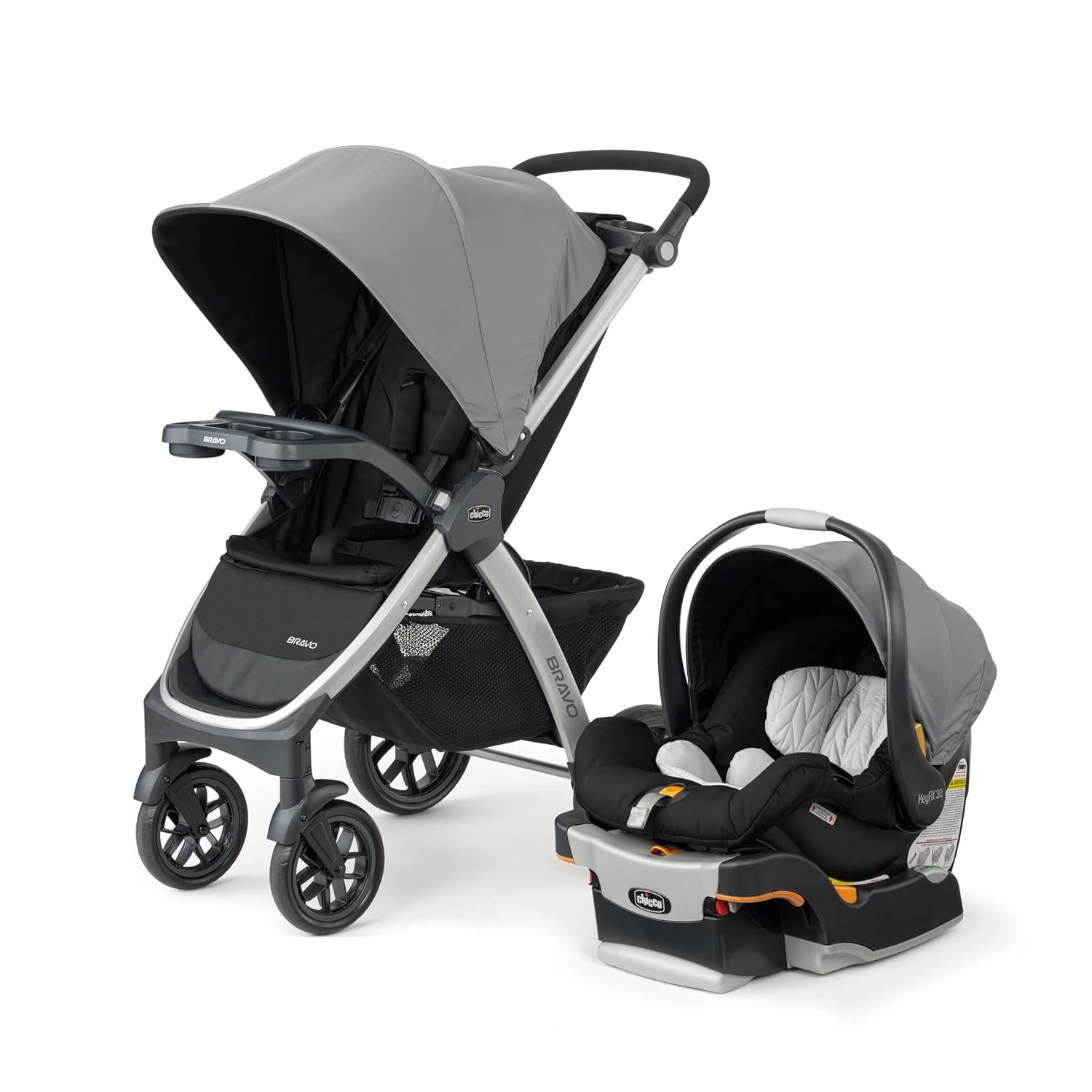
Chicco Bravo 3-in-1 Travel System
Best Travel Systems of 2026: Stroller + Car Seat Combos That Click
¿Necesitas una reseña que no está en esta lista?
Cuéntanos qué necesitas—lo investigamos y te avisamos cuando esté listo.
Navigating parenthood requires gear that works seamlessly. Our guide to the best travel systems of 2026 helps you find stroller and car seat combos that click, focusing on ease, safety, and crucial adapter compatibility for future flexibility.
Veredicto
The Chicco Bravo 3-in-1 Travel System is an excellent choice for parents seeking a complete, integrated solution from birth through toddlerhood. It excels in ease of use with its one-hand fold and smooth ride, making daily outings stress-free. However, its main drawback is the limited car seat compatibility, tying you to the included Chicco KeyFit 30.
Why a Travel System is Your Go-To for Newborns
For new parents, especially those navigating the first few months, a travel system offers an unparalleled level of convenience and peace of mind. The core benefit lies in its seamless integration: a compatible infant car seat clicks directly into a stroller frame, eliminating the need to wake a sleeping baby during transitions from car to stroller and vice versa. This functionality is invaluable for frequent errands, doctor appointments, or even just short walks, making the logistics of leaving the house significantly smoother.
Beyond just convenience, safety is a primary driver. Travel systems are designed to ensure the car seat, which is critical for infant safety in a vehicle, integrates securely with the stroller. This direct compatibility means parents don't have to worry about aftermarket adapters or potential fit issues, which can be a concern when mixing and matching brands. For the newborn phase, where head and neck support are paramount, keeping your baby undisturbed in their properly installed infant car seat for short periods in the stroller is often the most practical solution.
Furthermore, many travel systems are an economical choice. While the initial investment might seem higher than buying individual components, purchasing a travel system often results in cost savings compared to buying a separate infant car seat and a compatible stroller individually. It also simplifies the decision-making process during an already overwhelming time, ensuring you have a complete, functional setup from day one. Many strollers included in travel systems are also designed to grow with your child, often converting to accommodate toddlers once the infant car seat is no longer needed, providing long-term value.
What to look for (ideal feature checklist)
Before you buy, use this CheeklyPicks checklist. Strong options usually clear most of these bars:
• Seamless car seat-to-stroller transition • One-hand fold mechanism • All-wheel suspension for smooth rides • Adjustable handlebar and multi-position recline • Adequate storage basket • UPF 50+ canopy • Future adapter compatibility (where applicable) • Lightweight yet sturdy frame
What to Look For: Your Travel System Checklist
When evaluating travel systems, several key factors should guide your decision to ensure you select a system that genuinely meets your family's needs for the long haul. First, safety features of the infant car seat are non-negotiable. Look for car seats that meet or exceed current safety standards, are easy to install correctly (both with and without the base), and offer robust side-impact protection. The stroller component should have a secure five-point harness, a reliable braking system, and a stable frame. Always check the car seat's expiration date and manufacturing date upon purchase.
Ease of use and maneuverability are paramount for daily practicalities. Consider how easily the car seat clicks into and out of the stroller, and how simple the stroller is to fold and unfold with one hand. Test the stroller's wheels and suspension; larger, all-terrain wheels will handle varied surfaces better, while smaller wheels are typically more agile in urban environments. Think about the system's weight and footprint when folded – will it fit in your car trunk comfortably, and can you lift it easily?
Finally, longevity and adapter compatibility are crucial for getting the most out of your investment. While a travel system is convenient for the infant stage, consider the stroller's functionality once your child outgrows the infant car seat. Does the stroller have a lie-flat recline or a toddler seat that can face both parent and world? Regarding adapters, most travel systems are designed to be used exclusively with their included car seat. If you anticipate wanting to switch to a different brand of infant car seat later or use a different car seat for a second child, research if the stroller frame offers multi-brand adapter options. This is a rare but valuable feature, as most systems prioritize proprietary compatibility. For more detailed information on stroller types and features, consult our Stroller Buying Guide (2026): How to Pick the Right One the First Time.
CheeklyPicks Pick: Chicco Bravo 3-in-1 Travel System
The Chicco Bravo 3-in-1 Travel System stands out as an excellent all-around choice for new parents, primarily due to its thoughtful design and robust feature set that genuinely simplifies the transition from car to stroll. At its core, the system includes the Chicco KeyFit 30 Infant Car Seat, a perennial favorite known for its straightforward installation (RideRight bubble levels and SuperCinch LATCH tightener are game-changers for ensuring a secure fit) and solid safety performance. This car seat accommodates infants from 4 to 30 pounds, offering a generous usage period. The “3-in-1” refers to the stroller's versatility: it can be used as a lightweight car seat carrier, a full-feature travel system with the car seat, and a toddler stroller once your child outgrows the infant seat.
The Bravo stroller itself is a significant asset. It boasts a one-hand smart fold that compacts the stroller quickly and stands independently, a feature parents consistently praise when juggling a baby and gear. The large, adjustable canopy provides excellent sun protection, and the spacious storage basket is easily accessible, even with the seat reclined. The sturdy frame and smooth maneuverability on varied urban terrains make it a reliable daily driver. While not an all-terrain beast, it handles sidewalks, park paths, and mall floors with ease.
From a CheeklyPicks adapter compatibility perspective, the Chicco Bravo 3-in-1 Travel System is designed to be a closed system. The included KeyFit 30 infant car seat clicks directly into the Bravo stroller frame without any additional adapters, which is its primary strength for seamless transitions. However, if you already own or plan to purchase an infant car seat from a different brand (e.g., Graco, Nuna, Cybex), the Bravo stroller frame is not natively compatible with other brands' car seats, nor does Chicco offer official adapters for them. This means if you start with the Bravo system and later wish to use a different car seat with the stroller frame, you would likely need to purchase a separate, compatible stroller or use a universal car seat caddy. This is a common characteristic of most travel systems, prioritizing the perfect fit of their proprietary components over cross-brand versatility.
Compatibility Unpacked: Can You Mix and Match Brands?
When investing in a travel system, a common question arises: can you mix and match car seats and strollers from different brands down the line? The short answer is, it depends. Travel systems, by definition, are designed to work seamlessly together, with the included infant car seat clicking directly into the matching stroller frame. This provides unparalleled convenience during the newborn stage, eliminating the need to wake a sleeping baby when transitioning from car to stroller.
However, as your child grows, or if you wish to upgrade one component, adapter compatibility becomes crucial. While some premium stroller brands offer universal adapters that can accommodate various infant car seat brands (like Maxi-Cosi, Nuna, or Cybex), these are often sold separately and can add to the overall cost. For example, the Chicco Bravo 3-in-1 Travel System is designed as a fully integrated solution, meaning its included KeyFit 30 infant car seat is purpose-built to attach to the Bravo stroller. While Chicco does offer adapters for other car seat brands with some of their standalone strollers, for the Bravo travel system specifically, the most reliable and safest experience is with the included Chicco car seat. Attempting to force compatibility without a manufacturer-approved adapter can compromise safety and stability.
Our advice? If long-term mix-and-match flexibility is a top priority, research stroller brands that explicitly state their adapter options for various car seat manufacturers. Keep in mind that even with adapters, the fit and function might not be as smooth as a native travel system. For those prioritizing immediate ease of use and a guaranteed perfect fit right out of the box, a dedicated travel system like the Chicco Bravo offers peace of mind. For more on car seat options, check out our guide to the Best Infant Car Seats of 2026: Safe, Comfortable Picks for Newborns (/reviews/best-infant-car-seats-2026).
Key Performance Factors We Considered
When evaluating the best travel systems for 2026, we focused on several critical performance factors that directly impact daily use and long-term value. First, ease of use and convenience topped our list. This includes the simplicity of attaching and detaching the car seat from both the stroller and the car base, the one-hand fold mechanism (a lifesaver for busy parents), and the overall maneuverability of the stroller. Systems that required complex steps or multiple hands to operate were downgraded, as real-world scenarios often demand quick, intuitive functionality. The Chicco Bravo, for instance, excels with its easy-to-use car seat click-in and a straightforward, compact fold.
Next, we scrutinized stroller functionality and features. Beyond just holding a car seat, a good travel system stroller needs to stand on its own as a reliable mode of transport for your growing child. We looked at adjustable handlebars, ample storage baskets (essential for diaper bags and groceries), recline options for older toddlers, and the quality of the wheels and suspension for various terrains. A smooth ride, even on slightly uneven sidewalks, significantly enhances the user experience. Durability of materials and fabric quality were also factored in, considering these systems endure daily wear and tear.
Finally, safety and comfort for the child were non-negotiable. For the infant car seat, this meant reviewing features like energy-absorbing foam, side-impact protection, and easy-to-adjust harnesses. For the stroller, we evaluated the security of the harness system, the stability of the frame, and the overall comfort of the seat padding. While all car seats meet federal safety standards, some offer advanced features that provide an extra layer of protection and peace of mind. We also considered the overall footprint and weight of the system, particularly for navigating tight spaces and lifting components in and out of vehicles.
Safety Standards and Installation Tips
All infant car seats sold in the United States must meet stringent federal safety standards, specifically FMVSS 213, ensuring a baseline level of protection for your child. However, beyond these minimum requirements, manufacturers often integrate additional safety features. When evaluating travel systems, we looked for infant car seats that offered enhanced side-impact protection, often through energy-absorbing foam or specialized shell designs, and robust 5-point harness systems that are easy to adjust as your baby grows. The Chicco Bravo 3-in-1 Travel System, for example, includes the KeyFit 30, a car seat widely praised for its SuperCinch LATCH tightener, which makes achieving a secure installation significantly easier for parents.
Proper installation of the car seat base is paramount for safety. Even the safest car seat cannot protect your child effectively if installed incorrectly. We recommend utilizing either your vehicle's LATCH system (Lower Anchors and Tethers for Children) or the seat belt, never both simultaneously unless explicitly stated in your car seat manual. Always consult both your car seat manual and your vehicle owner's manual for specific instructions regarding weight limits, recline angles, and proper attachment points. Many manufacturers, including Chicco, offer clear indicators or levels on the car seat base to help confirm the correct recline for your infant, which is crucial for airway safety.
Beyond the car seat, stroller safety is also vital. Ensure the stroller has a reliable braking system that is easy to engage and disengage. Always use the stroller's harness system, even for short trips, to prevent falls. When folding or unfolding the stroller, keep children clear of moving parts to avoid pinching hazards. Regular maintenance, such as checking for loose wheels or worn parts, can also help ensure the longevity and safety of your travel system. If you have any doubts about car seat installation, many fire departments and certified Child Passenger Safety (CPS) technicians offer free checks and assistance.
Who Should Skip a Travel System?
While travel systems offer undeniable convenience by providing a matched stroller and infant car seat, they aren't the ideal choice for every family. The primary trade-off often lies in long-term flexibility and stroller specialization. Many parents find that the stroller included in a travel system, while perfectly functional for the infant stage, might not be their absolute top pick for the toddler years. These strollers are designed for car seat integration above all else, which sometimes means compromises in features like advanced suspension, ultra-compact folds, or specific terrain capabilities that a standalone, specialized stroller might offer. If you have very specific stroller needs later on, such as an all-terrain jogger, a super lightweight travel stroller, or a double stroller, you'll likely end up purchasing a second, dedicated stroller anyway. This can negate some of the initial cost savings of a bundled system.
Another significant consideration is adapter compatibility and brand loyalty. Travel systems lock you into a specific car seat brand for the initial phase, and while some offer adapters for other infant car seat brands, the stroller itself often performs best with its matched seat. If you have a strong preference for a particular infant car seat brand (e.g., you want the absolute lightest seat or one known for specific safety features) that isn't offered in a bundled travel system, purchasing them separately allows you to mix and match. Similarly, if you envision upgrading to a convertible car seat sooner rather than later, or if you plan to reuse an infant car seat from a previous child that isn't part of a travel system, buying a standalone stroller that supports multiple car seat brands via adapters might be a more cost-effective and flexible approach. Families with multiple children, especially those with different age gaps, might also find more utility in a modular stroller that can accommodate various seating configurations from the start, rather than a fixed travel system.
Ultimately, if you prioritize having the absolute best individual components and are willing to research and purchase a stroller and infant car seat separately, you might find more satisfaction. This path offers maximum customization and allows you to select each item based on its own merits, rather than as part of a bundle. It's also a good option for those who are looking for a very specific type of stroller right from the newborn stage, perhaps one that isn't typically offered in a travel system package. For a deeper dive into stroller options, check out our guide on Best Strollers of 2026: Every Style, Tested for Real Life.
Making Your Final Decision
Choosing the best travel system for your family comes down to weighing convenience against long-term flexibility and specific lifestyle needs. Begin by honestly assessing your budget and typical usage patterns. If you anticipate frequent car travel, city living with public transport, or navigating tight spaces, a compact and lightweight system will be paramount. Conversely, if most of your outings involve suburban sidewalks or park trails, features like robust suspension and larger wheels might take precedence. Don't get swayed purely by brand recognition; focus on the practical features that will genuinely make your daily life easier with a newborn.
Crucially, consider the car seat longevity and stroller adaptability beyond the infant stage. While all travel systems include an infant car seat, some strollers offer better stand-alone functionality for toddlers, with features like reversible seats, ample storage, or higher weight limits. Think about whether the included stroller will serve your needs for at least 2-3 years, or if you anticipate needing a different stroller type relatively soon. For example, the Chicco Bravo 3-in-1 Travel System (slug chicco-bravo-3-in-1-travel-system) offers a well-regarded stroller that many parents continue to use, but if you're planning on aggressive jogging, you'll likely need a specialized jogging stroller down the line, regardless. Also, pay attention to car seat adapter compatibility; while a travel system comes with a matched car seat, knowing if the stroller frame can later accept other infant car seat brands (should you need to for a subsequent child or a friend's baby) adds valuable flexibility.
Finally, test drive if possible and read user reviews beyond the initial honeymoon phase. Visit a store to push the stroller, fold it, and practice attaching/detaching the car seat. Does it fit in your car trunk comfortably? Can you operate it one-handed? Pay attention to the quality of materials, the ease of harness adjustments on the car seat, and the overall feel of the ride. Online reviews from parents who have used the system for several months or even a year can provide invaluable insights into durability, common pain points, and how well the system holds up to daily wear and tear. A travel system is a significant investment; a thorough evaluation upfront will save you headaches and potentially money in the long run.
Related CheeklyPicks guides & reviews
Keep researching with these CheeklyPicks pages—each one answers a related buying question without repeating the same thin affiliate fluff:
Frequently asked questions
What is a travel system for babies? A travel system is a bundled set that includes an infant car seat, a car seat base, and a compatible stroller. The infant car seat can click directly into the stroller frame, allowing you to move your sleeping baby from the car to the stroller without waking them. It offers a convenient, all-in-one solution for new parents.
Do all infant car seats fit all strollers? No, not all infant car seats fit all strollers. Travel systems are designed to have specific car seats and strollers that are directly compatible. For mixing brands, you often need to purchase separate adapters, which are brand-specific and not universally available for every combination. Always check compatibility lists or product specifications before purchasing.
How long can a baby use a travel system? Babies typically use the infant car seat component of a travel system until they outgrow its height or weight limits, usually around 9-12 months. The stroller component can then be used much longer, often until the child is 3-5 years old, depending on the stroller's weight capacity and design.
Are travel systems worth it? For many new parents, travel systems are definitely worth it due to their convenience and cost-effectiveness compared to buying components separately. They simplify transitions, ensure compatibility, and provide a comprehensive solution from day one. However, their bulk and limited cross-brand compatibility can be downsides for some families.
Enlace de pago / #CommissionsEarned. Como Asociado de Amazon, gano comisiones por compras que califican. Más información