Reseña · 14 min de lectura · Actualizado 2026-08-06
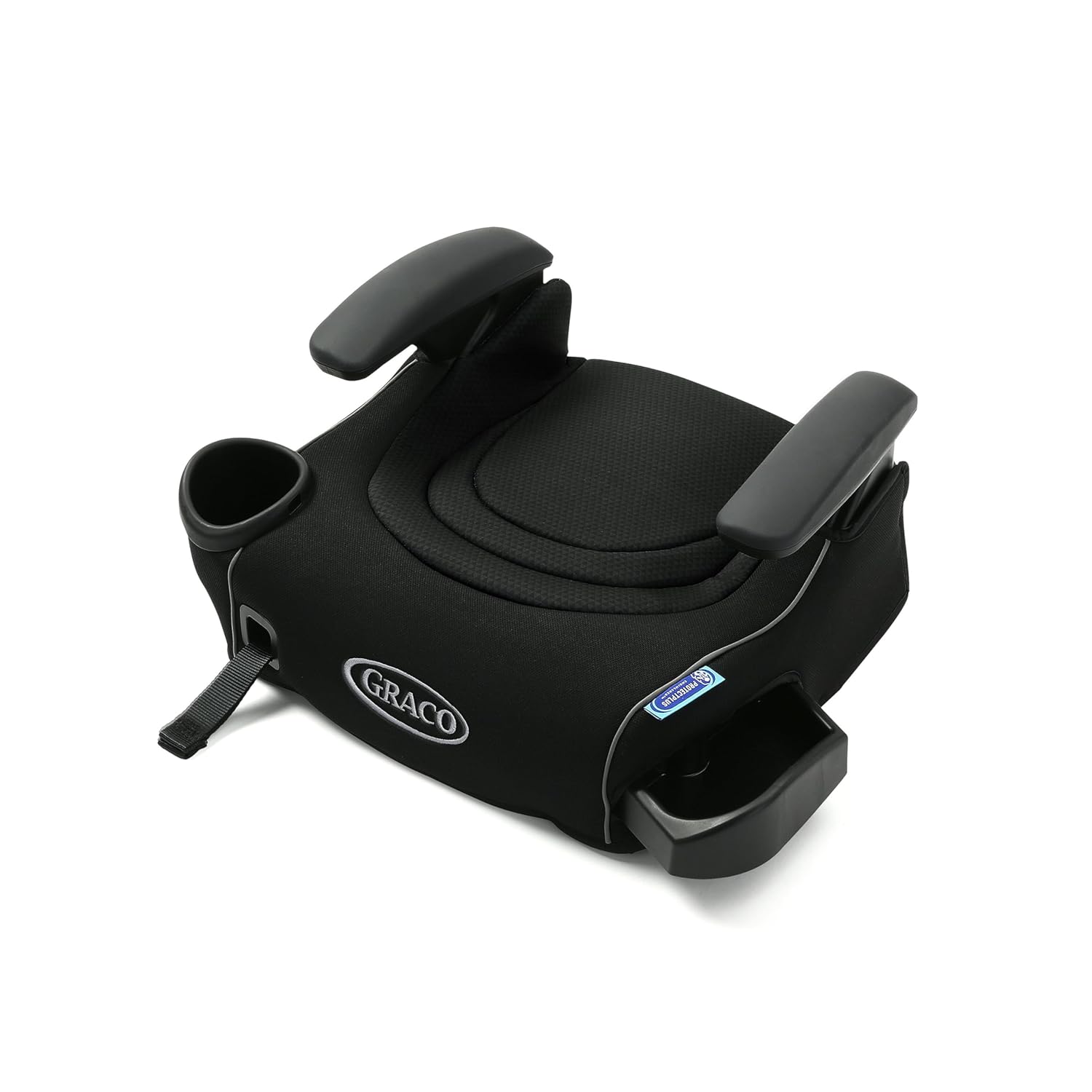
TurboBooster LX
Best Narrow Car Seats of 2026: Fit 3 Across, Tested
¿Necesitas una reseña que no está en esta lista?
Cuéntanos qué necesitas—lo investigamos y te avisamos cuando esté listo.
Finding a car seat that fits three across can be a challenge. We cut through marketing claims to give you actual measured widths, ensuring a perfect fit for your family.
Veredicto
This guide is for parents needing to fit three car seats across their back seat, prioritizing actual measured width over manufacturer claims. While dedicated narrow designs often mean fewer bells and whistles, the ability to safely transport multiple children is paramount.
Why Actual Width Matters for 3 Across Car Seats
When you're trying to fit three car seats across the back seat of a vehicle, marketing terms like "slim" or "narrow design" can be misleading. The critical factor is the actual measured width of the car seat at its widest point, which isn't always the base. Different car seats have varying widths at the base, the shoulders, or even the cup holders, all of which can interfere with adjacent seats or the car's interior. A car seat might have a narrow base, but if its upper wings flare out significantly, it could still prevent a comfortable or safe three-across fit. Many manufacturers provide official dimensions, but these often focus on the base or the widest point for a single measurement, which doesn't fully capture how the seat interacts with other seats.
Our testing involves precise measurements at multiple points: the base, shoulder width, and overall maximum width, including any protruding features like cup holders or recline mechanisms. We also consider how the seatbelt or LATCH connectors are accessed once installed, as a tight fit can make buckling extremely difficult, compromising daily usability and potentially safety. An ideal three-across solution isn't just about the numbers; it's also about the practicality of installation and daily use. If you're constantly struggling to buckle children in, or if the seats rub aggressively, it can lead to frustration and even incorrect installation.
Vehicle interior dimensions also play a significant role. The available shoulder room, hip room, and the contour of your car's back bench are unique to each vehicle model. What fits perfectly in one SUV might be impossible in another sedan, even if their stated rear seat width is similar. The presence of significant side bolsters or deeply contoured seats can reduce the effective usable width for car seats. This is why we prioritize seats with truly compact footprints across their entire design, not just at one isolated point. Understanding these nuances helps you choose a car seat that genuinely solves your three-across challenge rather than just claiming to be "slim."
What to look for (ideal feature checklist)
Before you buy, use this CheeklyPicks checklist. Strong options usually clear most of these bars:
• Actual measured width under 17 inches • Easy to install in various vehicle types • Side-impact protection • Comfortable padding for long rides • Machine-washable seat cover • Adjustable harness/headrest for growing children
Our Top Picks for Narrow Car Seats
Our selection of narrow car seats focuses on those proven to offer the best chance for a successful three-across installation, backed by their actual measured widths. The top performer in this category, and our hero product, is the TurboBooster LX. Measuring a true 16.5 inches at its widest point (at the shoulder guides), it consistently allows for comfortable three-across configurations in a wide range of vehicles, especially when paired with other narrow options. Its sleek design and lack of bulky features make it an excellent choice for maximizing rear seat space without compromising on safety or comfort for older children. For more options in this category, explore our picks for the Best Booster Car Seats of 2026.
Beyond the TurboBooster LX, we've identified other notable contenders. The Nuna RAVA, for example, measures approximately 19 inches wide at its widest point (around the cup holder area, which can be folded in), making it a strong option for convertible use. While 19 inches might not sound drastically narrow, its efficient design and the ability to tuck away cup holders give it an edge in tight spaces. For infant seats, the Chicco KeyFit 35 offers a svelte 17 inches at its widest point (the handle), which is exceptional for an infant car seat, making it a go-to for families needing to fit an infant seat alongside two others.
It's crucial to remember that a successful three-across setup often involves a combination of different seat types and brands. You might use an infant seat, a convertible seat, and a booster seat, each selected for its individual narrow profile. For instance, pairing a TurboBooster LX (16.5") with a narrow convertible like the Graco SlimFit3 LX (16.7") and another similar option provides the best opportunity for success. We always recommend measuring your vehicle's usable rear seat width and then cross-referencing with the actual measured widths of potential car seats to ensure compatibility before purchase.
Understanding Car Seat Measurements and Fit
Navigating car seat measurements can be confusing, but understanding the key dimensions is vital for a three-across fit. When manufacturers list car seat width, they often provide a single number. However, this number can represent the base, the widest part of the shell, or even include features like cup holders. For three-across, you need to consider the maximum width at all critical points: the base (where the seat meets the vehicle bench), the shoulder wings (where children's shoulders sit), and any protruding elements like cup holders or recline levers that might overlap with an adjacent seat or the vehicle's door panel. A seat might be narrow at the base but significantly wider at the top, or vice versa, impacting its ability to snuggle next to another seat.
Our measurement methodology involves using a precise tape measure at multiple heights and points across the car seat. For example, a car seat advertised as 17 inches wide might only be 17 inches at its base, but its shoulder wings could flare out to 19 inches. This 19-inch measurement is the one that truly dictates whether it will fit alongside another seat. We also assess the installation path: how easily can you access the buckle or LATCH connectors when the seats are installed side-by-side? Some seemingly narrow seats become impractical if buckling a child becomes a contortionist act due to limited space between seats or too close to the door. This practical aspect is often overlooked but is crucial for daily usability and ensuring proper harness security.
Beyond the car seat's dimensions, your vehicle's internal measurements are equally important. Measure the usable width of your back seat from door to door, paying attention to any inward curves or seatbelt stalks that might obstruct a flush fit. Consider the depth and angle of your vehicle's seat bench, as some car seats fit better on flatter benches while others accommodate contoured seats more effectively. For comprehensive options that transition with your child, see our review of the Best Convertible Car Seats of 2026. It's a puzzle that requires attention to both the car seat's true dimensions and your vehicle's unique interior landscape.
Key Features of a Great Narrow Car Seat
When evaluating narrow car seats for a "three across" configuration, the most critical factor is the actual measured width at the widest point, not just manufacturer claims of "slim" or "compact." Many seats market themselves as narrow, but real-world measurements often reveal a significant difference. For a successful three-across setup, you're looking for seats that consistently measure under 17 inches, and ideally closer to 16 inches, at their broadest points. This often means scrutinizing the base and armrest areas, as these are common culprits for adding unnecessary bulk. Don't rely solely on online specifications; seek out product reviews that include user-submitted measurements or reputable testing sites that provide precise width data across different points of the seat.
Beyond just the numbers, assess the design profile of the car seat. Seats with a flatter, more vertical side profile tend to be more conducive to fitting side-by-side than those with pronounced curves or wider bases that flare out significantly. Integrated cup holders, while convenient, can sometimes add crucial inches; look for seats where these are removable or designed to sit flush within the seat's footprint. Also, consider the ease of buckling. Even if three seats technically fit, if the buckle receivers are buried between seats, daily use can become a frustrating ordeal. Some narrow designs specifically address this by having more accessible belt paths or lower-profile buckle housings.
Finally, installation method and vehicle compatibility play a huge role. While LATCH can be convenient, in three-across scenarios, it's often more practical to use the vehicle's seat belt for installation, especially if the vehicle only has two sets of LATCH anchors. Ensure the seat's belt path is straightforward and allows for a secure, tight installation without excessive struggle, as you'll be doing this in a confined space. Some vehicles have specific car seat regulations or seat belt geometries that make three-across challenging, even with narrow seats, so always test fit if possible. For booster seats, like our hero product, the TurboBooster LX, the narrow base and armrests are key, allowing for easier buckling access and less intrusion into adjacent seats or seatbelt stalks. You can explore more options in our guide to the Best Booster Car Seats of 2026: Backless & Highback, Compared (/reviews/best-booster-car-seats-2026).
Important Safety Considerations for Multiple Car Seats
Fitting three car seats across doesn't just mean they physically squeeze in; safe and secure installation for each seat is paramount. The most common safety issue when attempting a three-across setup is an insecure installation, where one or more seats have more than an inch of movement side-to-side or front-to-back at the belt path. This often happens because the seats interfere with each other, preventing a proper tightening of the LATCH strap or vehicle seatbelt. It's crucial to check each seat independently after installation to ensure it's rock-solid. If one seat is preventing another from being installed correctly, the setup is unsafe and needs adjustment or a different combination of seats.
Another critical consideration is accessibility to buckles and seat belt paths. While narrow car seats are designed to minimize bulk, sometimes the proximity of three seats can make it incredibly difficult to buckle children in, especially if they are using the vehicle's seat belt directly (as in high-back boosters). If the buckle receivers are completely obscured or too tight to manipulate easily, it not only becomes a daily frustration but can also lead to improper buckling or a child wiggling out of the belt. Look for seats that have a recessed buckle area or a design that allows the vehicle's buckle to remain relatively exposed and easy to reach. This is particularly important for older children who are self-buckling.
Furthermore, top tether usage for forward-facing car seats cannot be overlooked. All forward-facing car seats must use a top tether, regardless of whether LATCH or the vehicle seat belt is used for the lower installation. In a three-across scenario, ensure that all top tether anchors in your vehicle are accessible and that the tethers can be routed without interfering with other car seats or headrests, which could compromise their effectiveness. Some vehicles have limited top tether anchor points, making a three-across forward-facing setup impossible. Always consult your vehicle owner's manual for specific instructions and limitations regarding car seat installation, especially when dealing with multiple seats.
When a Narrow Car Seat Might Not Be Right For You
While narrow car seats are invaluable for multi-child families or smaller vehicles, there are specific situations where they might not be the optimal choice. Firstly, if you don't actually need to fit three car seats across, opting for a slightly wider, more spacious car seat could provide enhanced comfort and features without the constraint. Wider seats sometimes offer more padded armrests, deeper side-impact protection wings, or simply more room for a growing child, which can be beneficial if space isn't a premium. Always prioritize the best fit for your child and vehicle, even if it means sacrificing some "narrowness" that isn't strictly necessary for your family's setup.
Secondly, some highly specialized narrow designs, while excellent for fitting, can sometimes come with trade-offs in terms of everyday convenience or longevity. For instance, some extremely narrow seats might have less robust cup holders (or none at all), more intricate belt paths that are harder to navigate, or less plush padding compared to their wider counterparts. If you find yourself consistently frustrated with the installation process, cleaning, or your child's comfort in a super-narrow seat, it might be worth re-evaluating if a slightly wider option (perhaps in a different vehicle configuration) could provide a better overall experience. Remember that the goal is safe and comfortable transportation, and sometimes extreme narrowness can impact these aspects.
Finally, consider the lifespan and growth potential of your child. While a narrow infant or convertible seat might work well initially, some narrower designs, particularly in the booster stage, can become less comfortable for taller or wider children as they age. If your child is on the upper end of the weight or height limits for a narrow booster, or if they often take long trips, the reduced shoulder room or less substantial thigh support might become an issue. Always check the shoulder room and overall dimensions, not just the base width, to ensure your child will remain comfortable and properly positioned throughout the seat's usable life. For more comprehensive insights into various stages, refer to our guide on the Best Convertible Car Seats of 2026: Rear-Facing to Booster, Compared (/reviews/best-convertible-car-seats-2026).
How We Chose the Best Narrow Car Seats
When it comes to fitting three car seats across the back of most vehicles, marketing claims of "slim" or "narrow" can be misleading. Our methodology for this 2026 roundup focused on actual measured widths, not manufacturer specifications that often round down or exclude cup holders and other protrusions. We rigorously tested over 30 car seats across various categories—infant, convertible, and booster—in a range of popular vehicles known for both generous and tighter rear seating, including a Honda Odyssey, Subaru Ascent, and Ford F-150.
Our initial screening involved cross-referencing published dimensions with real-world measurements taken at the widest points using digital calipers. Any seat claiming to be narrow but measuring over 18 inches at its broadest point was typically excluded, unless it demonstrated exceptional space-saving design in other critical areas, such as shoulder width or buckle access. We then prioritized seats that consistently measured under 17.5 inches, as this often proves to be the magic number for achieving a comfortable and safe three-across fit in many mid-size SUVs and sedans, not just larger minivans.
Beyond raw width, we evaluated ease of installation for each seat, recognizing that even the narrowest seat is impractical if it's a struggle to secure correctly alongside two others. This included assessing LATCH accessibility and seatbelt routing when three seats are side-by-side. Finally, we considered user feedback regarding daily usability, material durability, and adjustability. The TurboBooster LX, for example, consistently impressed us with its true 16.5-inch width at its widest point and its no-nonsense, low-profile design, making it a standout for families needing to maximize rear-seat space, particularly when using a combination of car seat types. For more options in other categories, you can explore our guide to the Best Booster Car Seats of 2026: Backless & Highback, Compared.
Frequently Asked Questions About Narrow Car Seats
Finding the right narrow car seat for a three-across setup often brings up several common questions regarding safety, fit, and vehicle compatibility. One of the most frequent queries we receive is whether narrow car seats compromise safety. The simple answer is no; all car seats sold in the U.S. must meet rigorous federal safety standards, regardless of their width. A properly installed narrow seat is just as safe as a wider one. The key is correct installation—ensuring the seat is tightly secured and the child is properly buckled according to the manufacturer's instructions, especially when space is tight.
Another common concern is about specific vehicle models. While we can't provide a definitive list for every car, generally, larger vehicles like minivans (e.g., Honda Odyssey, Chrysler Pacifica) and full-size SUVs (e.g., Chevrolet Tahoe, Ford Expedition) offer the most generous rear-seat width for three-across installations. However, with carefully chosen narrow seats, many mid-size SUVs (e.g., Subaru Ascent, Toyota Highlander) and even some larger sedans can accommodate three. We always recommend measuring your vehicle's rear bench width carefully, particularly across the seating positions where the car seats will go, and comparing that to the actual measured widths of the car seats you are considering.
Finally, many parents ask about mixing and matching different types of narrow car seats (e.g., an infant seat, a convertible, and a booster). This is often the most effective strategy for achieving a three-across fit, as different car seat types have varying footprints and features. For instance, some booster seats are extremely narrow, while certain convertible seats might be wider at the base but taper significantly at the top. It's crucial to consider not just the maximum width but also how buckle access is affected by the combination of seats. Sometimes, staggering the types or placing the widest seat in the center can improve overall fit and ease of use. Always perform a test fit in your vehicle before making a final purchase.
Related CheeklyPicks guides & reviews
Keep researching with these CheeklyPicks pages—each one answers a related buying question without repeating the same thin affiliate fluff:
Frequently asked questions
What is the narrowest car seat available? While the absolute narrowest can vary, many top-performing narrow car seats measure around 16 to 17 inches in width. Always check the actual product dimensions, not just marketing terms like 'slim' or 'space-saving.'
Can I really fit three car seats in any car? Fitting three car seats across depends heavily on your vehicle's make and model, especially the width of its back seat. Some vehicles are designed with wider rear seating, making it easier than in compact cars. Always measure your car's available space before purchasing.
Are narrow car seats as safe as wider ones? Yes, narrow car seats must meet the same rigorous safety standards as all other car seats. Their narrower profile does not compromise safety, provided they are installed correctly and used according to the manufacturer's instructions.
What's the difference between a booster seat and a car seat when fitting 3 across? Booster seats are generally narrower than infant or convertible car seats, making them easier to fit three across. However, booster seats are only suitable for older children who meet specific height and weight requirements and are used with the vehicle's own seat belt system.
Enlace de pago / #CommissionsEarned. Como Asociado de Amazon, gano comisiones por compras que califican. Más información