Review · 14 min read · Updated 2026-08-06
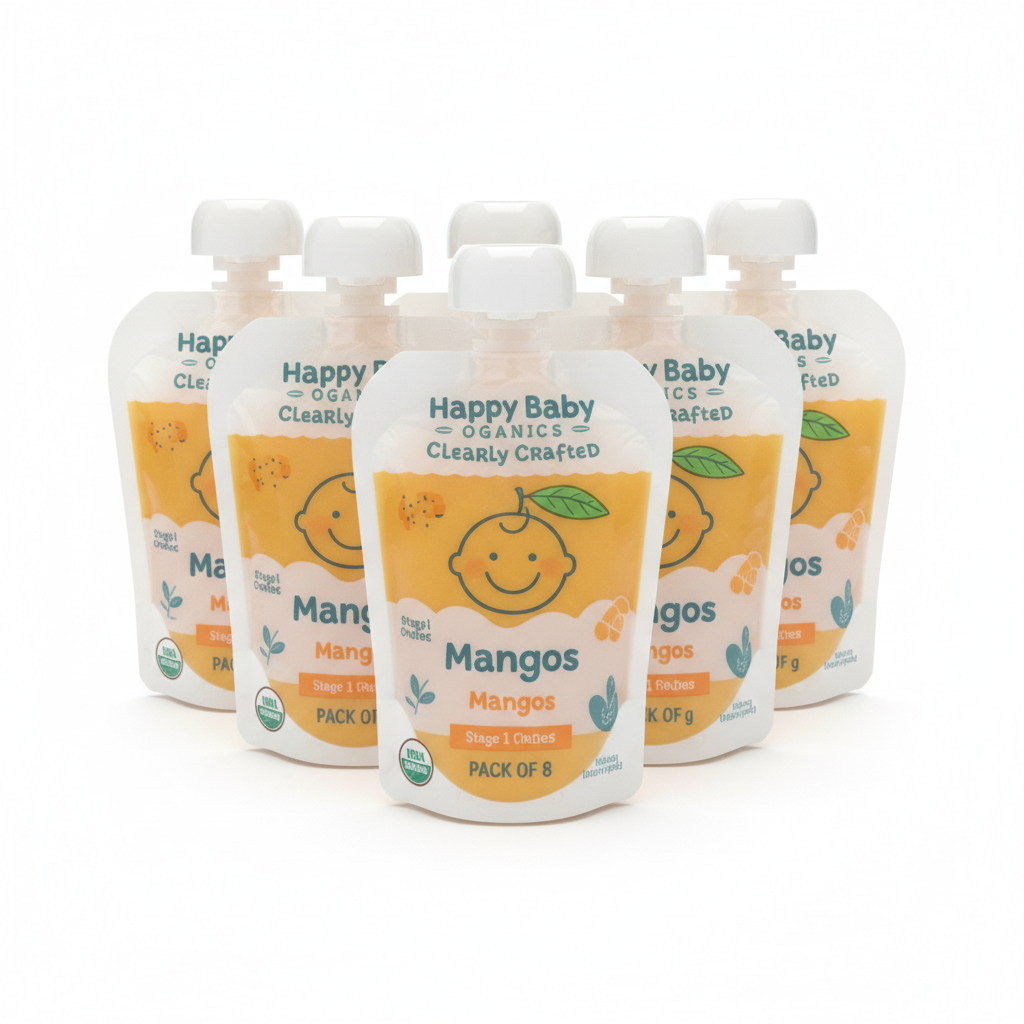
Happy Baby Organics Clearly Crafted Stage 1 Baby Food Pouche
Little Spoon Babyblends Review (2026): Is the Subscription Worth It?
Need a review that isn’t on this list?
Tell us what you need—we’ll research it and notify you when it’s ready.
Is Little Spoon Babyblends worth the subscription? We break down the cost per ounce, ingredients, and convenience to help you decide if these organic purees are right for your little one.
Verdict
Little Spoon Babyblends offers convenient, organic purees delivered to your door, perfect for busy parents prioritizing fresh ingredients. However, the premium cost per ounce is a significant consideration compared to readily available grocery store options. It's best for families seeking a hassle-free, high-quality meal solution who don't mind paying extra for the convenience.
What Is Little Spoon Babyblends and How Does It Work?
Little Spoon Babyblends is a subscription service that delivers fresh, organic baby purees directly to your door. Unlike shelf-stable pouches found in grocery stores, Little Spoon emphasizes its use of cold-pressed, never-heated ingredients, claiming this preserves more nutrients and maintains a fresher taste. The service operates on a customizable subscription model where parents select the stage of blends (Stage 1 for single-ingredient purees, Stage 2 for multi-ingredient combinations with chunkier textures) and the desired quantity per week. This allows for flexibility as your baby grows and their dietary needs evolve. You can also mix and match different blends within your chosen stage to provide variety.
To get started, you create a profile on the Little Spoon website, inputting your baby's age and any allergies or preferences. The system then recommends a meal plan, which you can adjust based on your baby's eating habits. Blends are delivered in convenient, BPA-free plastic containers that are designed for single servings and can be refrigerated for up to 14 days or frozen for up to 3 months. This ready-to-serve format aims to simplify mealtime for busy parents, eliminating the need for extensive meal prep or worrying about ingredient sourcing. The primary appeal lies in the convenience of having pre-portioned, purportedly nutrient-dense meals delivered consistently, taking some of the guesswork out of introducing solids and ensuring a varied diet. The company also offers other products, like healthy toddler meals and vitamins, expanding its offerings beyond initial baby purees.
What to look for (ideal feature checklist)
Before you buy, use this CheeklyPicks checklist. Strong options usually clear most of these bars:
• Organic and non-GMO ingredients • No added sugars, salts, or preservatives • Wide variety of single-ingredient and blended purees • Convenient subscription delivery options • Transparent ingredient sourcing information • Recyclable packaging • Suitable for various stages of infant feeding
Cost Analysis: Little Spoon Babyblends vs. Grocery Store Purees
When evaluating Little Spoon Babyblends, the price point is often the first thing parents scrutinize, especially when comparing it to traditional grocery store pouches. On average, Little Spoon Babyblends cost between $3.00 to $3.50 per blend, depending on the subscription size and stage. Each blend typically contains around 4 ounces of puree. This translates to an approximate cost of $0.75 to $0.88 per ounce. In contrast, a standard organic baby food pouch from a major grocery store brand often retails for $1.50 to $2.00 for a 4-ounce pouch, putting the cost-per-ounce closer to $0.38 to $0.50. This means Little Spoon can be nearly twice as expensive per ounce as many readily available organic options.
While the convenience and 'fresh' appeal of Little Spoon are undeniable, the cost difference is significant for most families. For a baby consuming two blends per day, this could add up to an extra $100-$150 per month compared to grocery store alternatives. The trade-off is often between the perceived higher quality of fresh, organic, cold-pressed ingredients and the substantial financial outlay. Parents need to weigh if the premium for convenience and specific ingredient processing methods justifies the higher cost when budget is a concern. For a deeper dive into other options, you can explore our guide to the Best Baby Fruit & Veggie Purees of 2026: Store-Bought vs. Homemade (/reviews/best-baby-purees-2026).
Ingredient Quality & Nutritional Value
Little Spoon prides itself on using 100% organic, non-GMO ingredients with no added preservatives, sugars, or artificial flavors. Their blends are prepared in small batches and cold-pressed, which they claim helps to retain more of the natural vitamins, minerals, and enzymes compared to heat-processed, shelf-stable purees. This commitment to fresh, whole ingredients is a major draw for parents seeking to provide the most natural and nutrient-dense foods for their infants. The ingredient lists are typically short and transparent, featuring recognizable fruits, vegetables, and sometimes ancient grains or healthy fats like avocado or coconut cream.
From a nutritional standpoint, Little Spoon Babyblends generally offer a robust profile. They are designed to provide a variety of macronutrients and micronutrients essential for baby's development, with different stages introducing more complex flavor profiles and textures to encourage palate expansion. For instance, many Stage 2 blends incorporate iron-rich ingredients or healthy fats, crucial for brain development. However, it's important to remember that while the ingredients are high quality, the nutritional density per calorie can vary between blends, just like with any baby food. Parents should still look at the specific nutritional information for each blend to ensure their baby is getting a balanced intake. The primary advantage here is the consistency of fresh, organic inputs without the potential degradation that can occur with extended shelf life products.
Convenience and Subscription Flexibility
Little Spoon Babyblends are designed for ultimate convenience, delivering fresh, organic purees directly to your door. This eliminates the need for frequent grocery store trips specifically for baby food and saves considerable time on food prep, cooking, and cleanup. For busy parents, the grab-and-go nature of the blends, which come in ready-to-serve containers, can be a game-changer. The subscription model is highly customizable; you can select the number of blends per delivery (typically 14, 21, or 28), choose specific purees based on your baby's age and dietary needs, and adjust delivery frequencies (weekly or bi-weekly). This flexibility is a major plus, allowing you to scale up or down as your baby's eating habits evolve or as you introduce more solids.
However, this convenience comes at a premium. While the subscription is flexible, managing it requires some proactive planning. You need to remember to skip or adjust orders before the cut-off date to avoid receiving more purees than needed, which can lead to waste if your baby's appetite changes unexpectedly or if you're traveling. The blends have a refrigerator shelf life of 10-14 days, and while they can be frozen for up to 3 months, this adds another step for parents who might prefer truly fresh options at all times without extra freezing efforts. For parents who prefer a hybrid approach – using Little Spoon for some meals and homemade or other store-bought options for others – careful subscription management is key to maximizing value and minimizing potential food waste. The platform itself is intuitive for making these changes, but it does require consistent parental oversight to ensure optimal usage.
Safety & Sourcing Standards
Little Spoon places a strong emphasis on the safety and quality of its Babyblends, a critical factor for any parent considering packaged baby food. Their purees are made with USDA-certified organic ingredients, which means they are free from synthetic pesticides, fertilizers, and GMOs. This commitment to organic sourcing is a significant differentiator from many conventional grocery-store purees. They also proudly state that their blends contain no added sugars, preservatives, or artificial ingredients, focusing solely on whole, recognizable fruits, vegetables, and grains. The
Who Should Buy Little Spoon Babyblends (and Who Should Skip)
CheeklyPicks guidance for Who Should Buy Little Spoon Babyblends (and Who Should Skip).
Alternatives to Consider
When evaluating Little Spoon Babyblends, it's crucial to compare it with other accessible options for feeding your baby. The most direct alternatives fall into two main categories: other pre-made baby food brands and homemade purees. For pre-made options, brands like Serenity Kids, Happy Baby Organics, and Gerber Organic offer similar purees in pouches or jars, readily available at most grocery stores. While these might not offer the same extensive rotational menu or subscription convenience as Little Spoon, they often come at a lower price point per ounce, especially when purchased in bulk or on sale. For instance, a typical 4-ounce pouch from a grocery store brand might cost $1.50-$2.00, equating to $0.37-$0.50 per ounce. Little Spoon, depending on the subscription size, often ranges from $3.00-$4.00 per 4.5-ounce blend, pushing the cost per ounce closer to $0.66-$0.88. This difference becomes significant over weeks and months of feeding.
The most cost-effective alternative, and one that offers unparalleled control over ingredients, is making your own baby food. While it requires an upfront time investment for steaming, blending, and portioning, the ingredient cost is dramatically lower. For example, a pound of organic carrots might cost $2.00-$3.00 and yield several days' worth of puree, translating to mere pennies per ounce. You can also customize textures and introduce a wider variety of flavors and ingredient combinations than even Little Spoon provides. Resources like our guide to the Best Baby Fruit & Veggie Purees of 2026: Store-Bought vs. Homemade offer detailed comparisons and recipes to help you decide if homemade is the right fit. The trade-off is primarily convenience; for busy parents, the time saved by a ready-to-serve option like Little Spoon can be a significant factor.
Related CheeklyPicks guides & reviews
Keep researching with these CheeklyPicks pages—each one answers a related buying question without repeating the same thin affiliate fluff:
Frequently asked questions
How much does Little Spoon Babyblends cost? Little Spoon Babyblends operates on a subscription model, with prices varying based on the number of blends per delivery and frequency. While exact prices fluctuate, expect a premium cost per ounce compared to most store-bought baby food pouches.
Are Little Spoon Babyblends organic? Yes, Little Spoon Babyblends are made with 100% organic and non-GMO fruits, vegetables, and grains. They emphasize fresh, clean ingredients with no added sugars, preservatives, or artificial components.
What age is Little Spoon Babyblends for? Little Spoon Babyblends are designed for babies starting solids, typically around 4-6 months, and can be continued into toddlerhood. They offer blends tailored for different developmental stages, from single-ingredient purees to more complex blends.
Can you freeze Little Spoon Babyblends? Yes, Little Spoon Babyblends can be frozen to extend their shelf life. While designed for fresh consumption, freezing is a great option if you receive a larger delivery than your baby can consume within the refrigerator's recommended timeframe.
Paid link / #CommissionsEarned. As an Amazon Associate I earn from qualifying purchases. Learn more