Review · 14 min read · Updated 2026-08-06
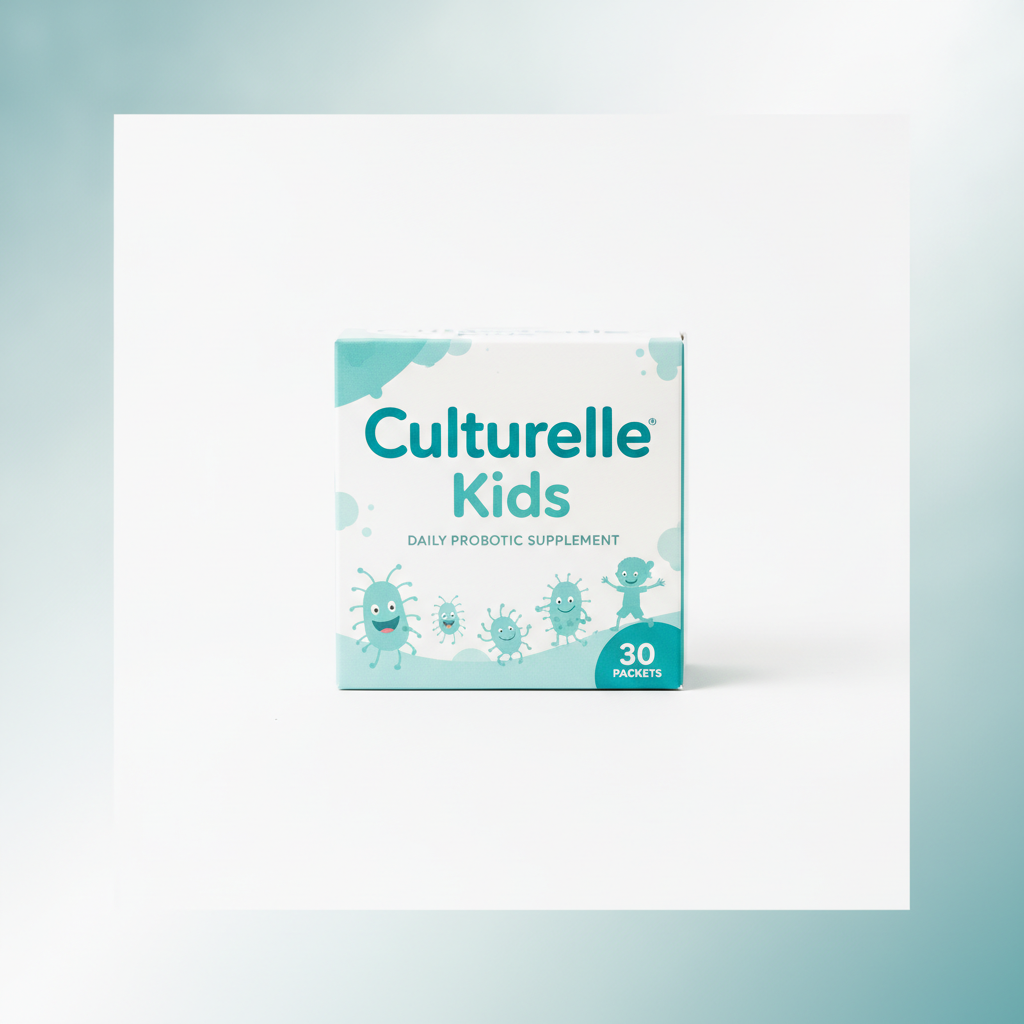
Culturelle Kids Packets Daily Probiotic Supplement
Best Kids Probiotics of 2026: Strains, Evidence & Safety Explained
Need a review that isn’t on this list?
Tell us what you need—we’ll research it and notify you when it’s ready.
Navigating kids' probiotics can be tricky. We cut through the hype, evaluating products based on specific strains with scientific backing for children's health needs.
Verdict
This guide is for parents seeking effective kids' probiotics backed by research, rather than general claims. It helps you identify strains with proven benefits for common childhood issues like gut health and immunity, avoiding those without solid evidence. The main tradeoff is the need to carefully check strain-specific evidence, but the benefit is targeted, effective supplementation.
The Best Kids Probiotics for 2026
Navigating the crowded market of kids' probiotics in 2026 requires a keen eye for evidence, not just marketing claims. While many products promise a plethora of benefits, the scientific literature, particularly in children, is more nuanced. Our top picks prioritize specific strains with pediatric-focused research supporting their efficacy for common childhood concerns, rather than relying on generalized probiotic benefits. We've scrutinized formulations for appropriate dosages, allergen profiles, and transparency in ingredient sourcing.
It's crucial to understand that 'best' isn't one-size-fits-all. A probiotic effective for occasional constipation might not be the optimal choice for supporting immune health during cold season. Therefore, our selections highlight products tailored to specific indications, allowing parents to make informed decisions based on their child's unique needs. We also considered factors like ease of administration (chewables vs. drops vs. powders), palatability, and the absence of unnecessary artificial additives, which can be a significant concern for parents when selecting supplements for children.
Ultimately, the 'best' kids probiotic is one that aligns with current scientific understanding, offers strains with demonstrable benefits for children, and is well-tolerated by your child. We strongly advise consulting with a pediatrician or registered dietitian before introducing any new supplement, especially for children with underlying health conditions or those taking other medications, to ensure it's appropriate and safe. Our recommendations are a starting point for evidence-based decision-making in the complex world of pediatric gut health.
What to look for (ideal feature checklist)
Before you buy, use this CheeklyPicks checklist. Strong options usually clear most of these bars:
• Contains specific strains with documented benefits for children • Evidence-based dosing for age group • Third-party tested for purity and potency • Free from common allergens (dairy, gluten, soy) if specified • Appropriate formulation (e.g., chewable, powder) for child's age • Clear labeling of strain names and CFU count
Key Strains & Their Evidence-Based Benefits for Children
CheeklyPicks guidance for Key Strains & Their Evidence-Based Benefits for Children.
What to Look For: A Parent's Probiotic Checklist
CheeklyPicks guidance for What to Look For: A Parent's Probiotic Checklist.
Understanding Dosing, Safety & Potential Side Effects
Determining the correct probiotic dosage for children is not a one-size-fits-all scenario, as it heavily depends on the specific strain, the child's age, and the intended health benefit. Manufacturers typically provide age-appropriate dosing guidelines on product labels, often expressed in Colony Forming Units (CFUs). It's crucial to adhere to these recommendations and consult a pediatrician before initiating any new supplement, especially for infants or children with underlying health conditions. Overdosing, while generally not life-threatening with probiotics, can exacerbate mild gastrointestinal discomfort.
For most healthy children, probiotics are considered safe and well-tolerated. The most common side effects are mild and transient, primarily involving digestive upset such as gas, bloating, or diarrhea, particularly during the initial days of supplementation as the gut microbiota adjusts. These symptoms usually resolve on their own as the child's system adapts. Less frequently, allergic reactions can occur, especially if the probiotic contains allergens like dairy or soy; always check the ingredient list carefully. Parents should also be aware that probiotics are not recommended for immunocompromised children or those with central venous catheters, due to a very small but present risk of bacteremia or fungemia. Always prioritize a discussion with your child's healthcare provider to weigh the benefits against any potential risks.
Quality and purity are paramount when selecting a probiotic for children. Look for products that undergo third-party testing to ensure they contain the stated strains and CFUs, and are free from contaminants. The stability of live cultures is also critical; some probiotics require refrigeration, while others are shelf-stable. Always store probiotics according to manufacturer instructions to maintain their efficacy. Opting for reputable brands that provide transparency about their manufacturing processes and ingredient sourcing can help mitigate risks associated with supplement quality. Remember, a probiotic is a supplement, not a substitute for a balanced diet rich in whole foods, which is foundational for gut health.
Probiotic vs. Prebiotic: What's the Difference?
While often discussed together, probiotics and prebiotics serve distinct, yet complementary, roles in supporting gut health, particularly in children. Probiotics are live microorganisms, typically bacteria and yeasts, that, when administered in adequate amounts, confer a health benefit on the host. Think of them as beneficial “good” bacteria that can help balance the gut microbiome, which is particularly important during and after antibiotic use, or to support digestive regularity. Different strains of probiotics have been studied for various specific outcomes in children, such as Lactobacillus rhamnosus GG for acute gastroenteritis, or Bifidobacterium lactis BB-12 for supporting immune function. It's not about simply adding bacteria, but adding specific types that have demonstrated benefits in pediatric populations.
Prebiotics, on the other hand, are non-digestible food ingredients that selectively stimulate the growth and activity of beneficial bacteria already residing in the colon. They act as
Expert Advice: When Do Kids Really Need a Probiotic?
CheeklyPicks guidance for Expert Advice: When Do Kids Really Need a Probiotic?.
Alternatives to Probiotics for Gut Health
While probiotics can play a role, fostering a healthy gut microbiome in children often benefits more from foundational dietary and lifestyle approaches. Prioritizing a diet rich in fiber from diverse plant sources is paramount. Think fruits, vegetables, whole grains, and legumes. These provide prebiotics, which are non-digestible fibers that feed beneficial gut bacteria, promoting their growth and activity naturally. For example, a child consuming a wide variety of colorful vegetables, berries, and whole-wheat bread is likely ingesting a broader spectrum of prebiotics than one relying solely on a probiotic supplement.
Beyond diet, adequate hydration and regular physical activity also contribute significantly to gut motility and overall digestive health. Encouraging outdoor play and minimizing sedentary screen time can have indirect but powerful benefits. Furthermore, strategies to reduce stress in children, such as consistent routines, sufficient sleep, and supportive environments, can positively impact the gut-brain axis. Chronic stress has been shown to alter gut flora composition.
For infants, breastfeeding is a powerful promoter of a healthy gut, providing prebiotics (Human Milk Oligosaccharides) and beneficial bacteria. If breastfeeding isn't possible, choosing a high-quality infant formula, such as those reviewed in "Best Organic Baby Formulas of 2026: US & European Options Compared," can still provide essential nutrients, though they typically lack the live cultures and HMOs found in breast milk. Consulting with a pediatrician or a registered dietitian specializing in pediatric nutrition can provide tailored advice for optimizing a child's gut health through diet and lifestyle, often proving more impactful and sustainable than relying on supplements alone.
Who Should Skip Probiotics (and When to Consult a Doctor)
While generally considered safe for most healthy children, there are specific situations where probiotics should be approached with caution or avoided entirely. Children with compromised immune systems, such as those undergoing chemotherapy, with certain genetic disorders, or who have recently undergone organ transplantation, should never be given probiotics without strict medical supervision. In these vulnerable populations, even typically beneficial strains could potentially lead to serious infections.
Similarly, infants who are premature or critically ill are another group where probiotics can pose risks. Their immature immune systems and gut barriers are more susceptible to complications. Studies on probiotics in this population have had mixed results, and the potential for bacteremia (bacteria in the bloodstream) is a serious concern. Always consult with a neonatologist or pediatric critical care specialist before considering probiotics for these infants.
Parents should also be aware of potential, though rare, side effects in otherwise healthy children, such as gas, bloating, or mild abdominal discomfort, particularly when first introducing a probiotic. If these symptoms persist or worsen, or if a child experiences any unusual or severe reactions (e.g., hives, difficulty breathing, bloody stools), discontinue use immediately and seek urgent medical attention. It's always prudent to discuss any supplement, including probiotics, with your child's pediatrician, especially if your child has underlying health conditions, is taking other medications, or is experiencing persistent digestive issues. A doctor can help determine if a probiotic is appropriate and, if so, which strains might be most suitable for their specific needs, ensuring safety and efficacy.
Related CheeklyPicks guides & reviews
Keep researching with these CheeklyPicks pages—each one answers a related buying question without repeating the same thin affiliate fluff:
Frequently asked questions
Are kids' probiotics really necessary? For most healthy children, a balanced diet rich in fiber and fermented foods can support gut health. Probiotics may be beneficial in specific situations, such as after antibiotic use or for certain digestive issues, but it's important to choose products with strains proven for those conditions.
What's the difference between CFU and strain? CFU (Colony Forming Units) indicates the number of live bacteria in a serving. Strain refers to the specific type of bacteria (e.g., Lactobacillus rhamnosus GG). Both are important, as the benefits of a probiotic are strain-specific, and an adequate CFU count ensures enough live bacteria reach the gut.
Can I give my child adult probiotics? It is generally not recommended to give adult probiotics to children. Kids' probiotics are formulated with strains and dosages appropriate for their developing systems. Always choose products specifically designed for children and follow age-specific dosing instructions.
How long does it take for kids' probiotics to work? The time it takes for probiotics to show effects can vary depending on the child and the specific condition being addressed. Some children may experience changes within a few days, while for others, it might take several weeks of consistent use. Consult a pediatrician if you have concerns or don't see desired results.
Paid link / #CommissionsEarned. As an Amazon Associate I earn from qualifying purchases. Learn more