Review · 14 min read · Updated 2026-08-06
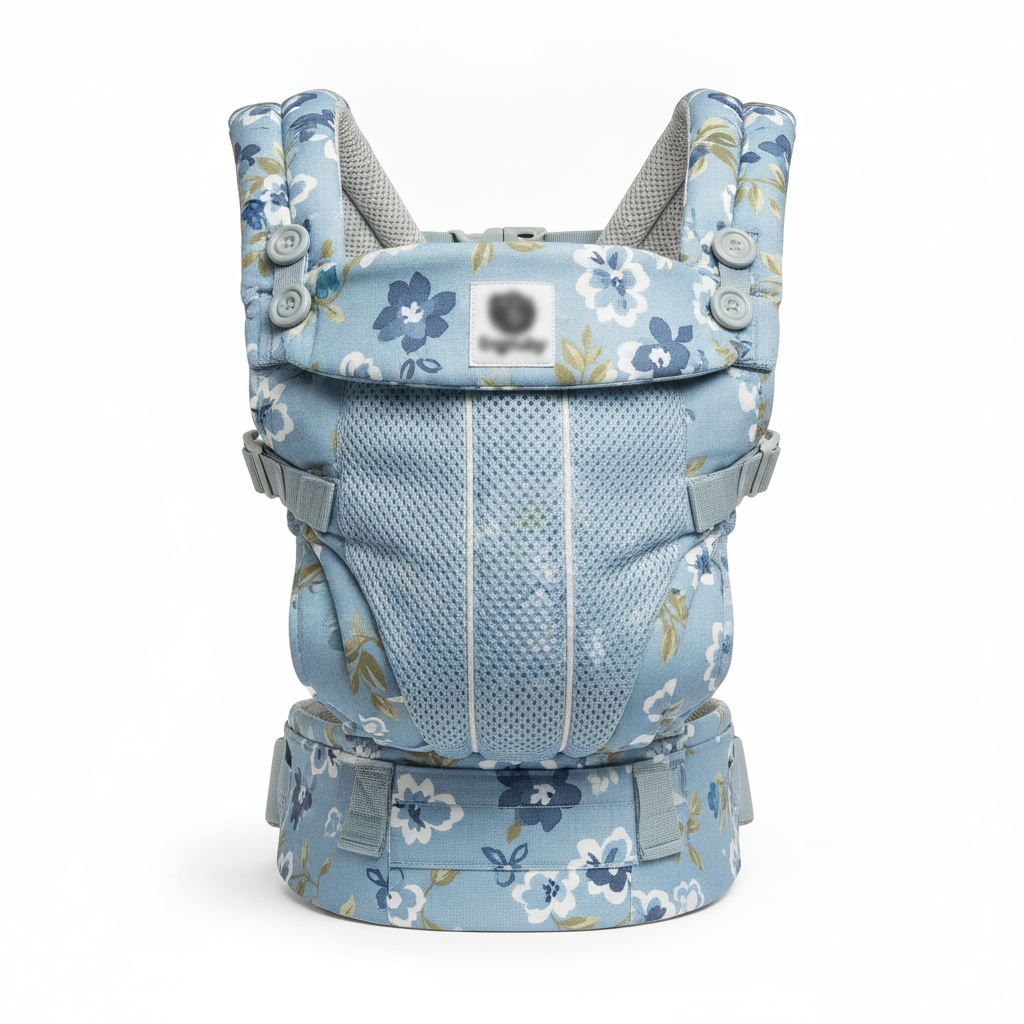
Ergobaby Omni 360 Cool Air Mesh
Best Budget Baby Carriers of 2026: Comfort Without the Splurge
Need a review that isn’t on this list?
Tell us what you need—we’ll research it and notify you when it’s ready.
Discover the top budget baby carriers for 2026 that offer great value. We highlight the key features and crucial tradeoffs, especially concerning lumbar and padding quality, to ensure you make an informed choice for comfortable babywearing without overspending.
Verdict
For parents seeking an affordable baby carrier in 2026, our top budget picks offer excellent utility and convenience. However, be prepared for potential compromises in long-term comfort due to less robust padding and lumbar support compared to premium models. These carriers are ideal for shorter wear periods or occasional use, providing essential closeness without breaking the bank.
Our Top Budget Baby Carrier Picks for 2026
When assembling our list of the best budget baby carriers for 2026, we focused on finding options that deliver exceptional value without compromising core safety and functionality. We know that "budget" doesn't mean you have to settle for less, but rather that you need smart engineering and thoughtful design within a specific price point. Our top picks consistently earned high marks for ease of use, secure fit, and breathable fabrics, making them suitable for everyday errands, short walks, and comfortable at-home wear. We prioritized carriers that offer multiple carrying positions, adapting to your baby's growth from newborn to toddler stages, ensuring longevity and greater return on your investment.
Our selections span various styles, from soft wraps and versatile slings to more structured options, each chosen for its ability to provide a snug, ergonomic fit for your baby while remaining intuitive for parents to put on and take off. While premium carriers often boast advanced lumbar padding and specialized weight distribution systems, our budget champions demonstrate that effective support can still be achieved through intelligent design, even if the materials or layering might be simpler. We've highlighted carriers that minimize fuss and maximize utility, understanding that busy parents need reliable gear that just works.
While these carriers excel in their price bracket, it's important to set realistic expectations regarding extended wear. For instance, you might find a budget soft structured carrier perfectly comfortable for a 30-minute grocery run, but a multi-hour hike would likely expose the limitations in its shoulder strap and waistbelt padding compared to a high-end model. Our goal is to guide you to the best possible option for your budget, acknowledging where these carriers shine and where more expensive alternatives might offer an advantage for specific, intensive use cases. Think of these as your go-to for daily needs, providing comfort and connection without breaking the bank.
What to look for (ideal feature checklist)
Before you buy, use this CheeklyPicks checklist. Strong options usually clear most of these bars:
• Secure and intuitive buckling system • Adjustable straps for various body types • Breathable fabric for parent and baby comfort • Machine washable for easy cleaning • Ergonomic hip-healthy position for baby (M-position) • Front and back carry options (age-appropriate) • Compact and lightweight for portability
What We Look For in an Affordable Baby Carrier: The CheeklyPicks Checklist
Our CheeklyPicks checklist for evaluating affordable baby carriers goes beyond just price. We scrutinize several key areas to ensure that even budget-friendly options meet essential standards for safety, comfort, and practicality. First and foremost, safety certifications are non-negotiable; every carrier must comply with current safety standards for infant products. Beyond that, we assess the ergonomics for the baby, ensuring the carrier supports a healthy 'M' position for their hips and a C-curve for their spine, crucial for proper development. A baby carrier, regardless of price, must always prioritize your child's physiological needs.
Next, we evaluate the ease of use and adjustability. A budget carrier should not be complicated to put on or take off, especially when you're managing a squirming baby. We look for intuitive buckles, clear instructions, and ample adjustability to fit various parent body types and baby sizes. Fabric quality and breathability are also critical. While you might not get the ultra-luxurious blends found in premium carriers, we ensure the materials are durable, easy to clean, and breathable enough to prevent overheating, especially in warmer climates.
Finally, we consider the versatility and longevity of the carrier. Does it offer multiple carrying positions (front inward, front outward, back carry) that grow with your child? A carrier that can comfortably accommodate a newborn up to a toddler provides significantly more value. While some budget options might be more specialized (e.g., a simple wrap ideal only for newborns), our top recommendations often aim for broader utility. For a deeper dive into carrier types and what they offer, you can consult our guide on the <a href="/reviews/best-baby-carriers-2026">Best Baby Carriers of 2026: Wraps, Slings & Structured Picks</a>.
Understanding the Budget Tradeoffs: Padding and Lumbar Support
It's critical to understand that when you opt for a budget baby carrier, the primary area where manufacturers typically make cost-saving decisions is in the quality and density of the padding for shoulder straps and waistbelts, and the sophistication of lumbar support systems. This is where the core tradeoff lies: while a budget carrier will still distribute weight, it often does so with simpler, less resilient materials that may compress or degrade faster over time, or simply provide less robust comfort for extended wear.
For instance, a high-end carrier might feature multi-layered foam densities, gel inserts, or complex ergonomic curves specifically designed to cradle the wearer's back and shoulders, preventing pressure points during hours of use. A budget carrier, by contrast, might use a single, thinner layer of foam, or less structured padding. This means that while it feels perfectly adequate for a 20-minute trip to the park, you'll likely notice increased shoulder strain or lower back fatigue much sooner than you would with a premium model, especially as your baby grows heavier. The difference isn't necessarily a lack of safety, but a noticeable reduction in sustained carrying comfort for the parent.
Similarly, dedicated lumbar support is a feature often scaled back in more affordable models. Premium carriers frequently incorporate an adjustable lumbar panel or strategically placed cushioning to actively support the lower back, providing stability and reducing strain. Budget carriers might offer a basic waistbelt that distributes weight across the hips but lacks the contoured, supportive element that specifically targets the lumbar region. This isn't to say budget carriers are uncomfortable, but rather that their support is more general, and less tailored to the nuances of parental ergonomics over long durations. When choosing a budget carrier, be realistic about your intended use; if you plan on short carries for daily tasks, these tradeoffs are often perfectly acceptable. For extensive babywearing, however, investing in a carrier with superior padding and advanced lumbar support may be a worthwhile splurge for your own comfort and health.
Safety First: Essential Considerations for Budget Carriers
When navigating the market for a budget baby carrier, safety should always be your paramount concern, not just a checkbox. While manufacturers adhere to safety standards, the specific design and material choices in budget models can impact long-term comfort and stability. Pay close attention to the buckles, seams, and fabric integrity. Inspect buckles for secure snapping and ensure there's no visible fraying or loose stitching, which can indicate compromised durability over time. Reputable budget brands still prioritize these foundational safety elements, but it's crucial for consumers to be vigilant.
Beyond basic construction, consider the carrier's ergonomics for both you and your baby. For infants, ensure the carrier supports a healthy 'M' position (hips spread, knees higher than bum), which is vital for hip development. Many budget carriers achieve this initially, but some may lack the robust, adjustable support systems found in higher-end models, potentially leading to less optimal positioning as your baby grows or during extended wear. Always check that your baby's airway is clear and that they are positioned high enough to kiss, regardless of carrier style.
A significant area where budget carriers often make concessions is in padding and lumbar support quality. While they provide basic cushioning, the density, resilience, and strategic placement of padding in the shoulder straps and waistbelt can be noticeably less substantial compared to premium options. This means that while a budget carrier might feel adequate for short periods, prolonged use, especially with a heavier baby, can quickly lead to wearer fatigue and discomfort in the shoulders and lower back. Look for carriers that, even on a budget, offer some form of padded waistbelt and wide, cushioned shoulder straps to distribute weight effectively and mitigate this common tradeoff.
Ultimately, a budget-friendly carrier can be perfectly safe and functional. The key is to thoroughly inspect its construction, understand its ergonomic limitations compared to more expensive alternatives, and prioritize features that directly contribute to your baby's healthy positioning and your own comfort during typical use. Don't compromise on the essentials, even when seeking a deal.
Choosing the Right Budget Carrier Style: Structured, Wrap, or Sling?
The world of baby carriers offers three primary styles: structured carriers, wraps, and slings, each with unique advantages and tradeoffs, especially in the budget category. Structured carriers, often called soft-structured carriers (SSCs), offer the most pre-defined support with buckles and adjustable straps. Budget SSCs can be a great entry point, providing hands-free convenience, but their lumbar support and shoulder strap padding tend to be less sophisticated. While they'll offer basic weight distribution, the ergonomic contouring and dense foam found in premium models are often replaced with simpler, thinner padding. This can lead to a less customized fit and increased pressure points during longer wearing sessions.
Wraps, typically long pieces of fabric, are highly versatile and can be incredibly comfortable due to their ability to distribute weight evenly across the wearer's back and shoulders. For budget-conscious parents, a high-quality stretchy or woven wrap can be an excellent choice, as the primary cost is the fabric itself, and many affordable options are readily available. The main 'tradeoff' isn't in padding but in the learning curve and time investment required to master various tying methods. Once learned, however, wraps offer excellent customizability and often superior ergonomic support for the baby, conforming perfectly to their body without the fixed structure of an SSC. They excel at replicating the close, womb-like feel that newborns often thrive in.
Slings, including ring slings and pouch slings, offer quick on-and-off convenience, making them ideal for short trips or quick carries. Ring slings, in particular, are adjustable and can be relatively inexpensive. The main budget tradeoff here often lies in the fabric quality and the rings themselves. While budget slings will be safe, the fabric might be less soft, breathable, or durable over time compared to premium linen or cotton blends. Lumbar support for the wearer is minimal to non-existent in slings, as weight is primarily borne on one shoulder. This means while incredibly convenient, slings are generally best suited for shorter carries or situations where frequent ups and downs are needed. If you plan on extended wear, especially as your baby grows, a budget structured carrier or wrap will likely offer better overall comfort and weight distribution.
When to Splurge: Are Premium Carriers Worth the Extra Cost?
Deciding whether to splurge on a premium baby carrier or stick to a budget option often comes down to your anticipated usage frequency and duration, as well as your personal comfort priorities. The primary area where premium carriers truly differentiate themselves from their budget counterparts is in the quality and design of their padding and lumbar support systems. While budget carriers offer basic cushioning, premium models incorporate multi-density foams, strategically placed lumbar inserts, and often more robust, breathable fabrics that contour better to the wearer's body. This results in superior weight distribution and sustained comfort, especially during extended wear or with heavier toddlers. For parents who plan to babywear daily, for long stretches, or through multiple children, this enhanced comfort can be well worth the investment, significantly reducing back and shoulder strain over time.
Furthermore, premium carriers often feature more robust and intuitive adjustability mechanisms. This includes smoother-gliding straps, easier-to-reach buckles, and more extensive panel adjustments for a better fit across different body types and baby sizes. This can be particularly beneficial for families with multiple caregivers or for accommodating a growing baby without needing to purchase multiple carriers. Budget carriers, while functional, may have simpler adjustment points that require more effort or provide less precise customization. This isn't to say budget carriers aren't adjustable, but the ease and extent of adjustment are typically more refined in higher-priced models. For a comprehensive comparison of options, check out our guide on the best baby carriers of 2026: Wraps, Slings & Structured Picks (/reviews/best-baby-carriers-2026).
Ultimately, a budget carrier can meet the needs of many families, especially those who plan for occasional, shorter carries. They are safe and functional. However, if you foresee babywearing as a significant part of your daily routine, if you have a history of back pain, or if you simply prioritize maximum comfort and longevity, a premium carrier often provides a tangible return on investment in terms of ergonomics, durability, and a more comfortable experience for both parent and child. It's about weighing the initial savings against the potential for discomfort or the need for an upgrade down the line.
Alternatives to Budget Carriers: Borrowing and Secondhand Options
While this guide focuses on new budget-friendly carriers, it's essential to consider alternatives that can provide superior comfort and features without the new-product price tag. One excellent option is borrowing from friends or family. Many parents accumulate a collection of carriers over time and are often happy to lend one out for a few months. This allows you to experience a higher-end carrier's benefits, like more substantial lumbar support and denser, more resilient padding, without the initial investment. You can gauge which styles and brands you prefer before committing to a purchase, even a budget one.
Another fantastic avenue is the secondhand market. Online marketplaces, local parenting groups, and specialized consignment shops frequently have gently used premium carriers available at a fraction of their original cost. While a brand-new budget carrier might save you money upfront, it often comes with a compromise in long-term comfort, particularly in the density and quality of the padding in shoulder straps and the lumbar panel. High-end carriers typically use more durable foam that maintains its structure and support over extended wear, a key factor often downsized in budget models to reduce manufacturing costs. When buying secondhand, always inspect the carrier for wear and tear, paying close attention to buckles, straps, and fabric integrity, but this route can easily land you a top-tier carrier for the price of a new budget option. Consider this strategy for better ergonomics for both you and your baby.
Babywearing communities are also an invaluable resource. Many cities have local babywearing groups that offer lending libraries where you can try out different carrier types – wraps, slings, and structured carriers – for a small fee or membership. This is an ideal way to discover what truly works for your body and your baby's needs, often with expert guidance from experienced babywearers. This hands-on experience can prevent the common pitfall of buying a budget carrier only to find its limited adjustability or less robust support causes discomfort during longer wears, leading to a second purchase later.
Who Should Skip a Budget Baby Carrier?
While budget baby carriers offer an accessible entry point into babywearing, they aren't the right choice for everyone. Individuals who plan to wear their baby for extended periods daily should seriously consider investing in a mid-range or premium carrier. Budget carriers frequently economize on the quality and density of padding, particularly in the shoulder straps and lumbar support panel. This can lead to noticeable discomfort, shoulder strain, and back pain during prolonged use, as the less robust padding compresses quickly and offers minimal load distribution. If you anticipate wearing your baby for hours while running errands, doing chores, or even hiking, the long-term ergonomic benefits of a more supportive carrier far outweigh the initial cost savings.
Parents or caregivers with pre-existing back, shoulder, or neck pain should also be wary of budget options. The primary area where budget carriers cut corners is often the lumbar support and the quality of the foam in load-bearing areas. Unlike higher-end models that feature dense, resilient foam and well-engineered lumbar panels designed to distribute weight evenly and maintain spinal alignment, budget carriers may use thinner or less dense padding that offers insufficient support. This can exacerbate existing discomfort or even create new issues over time. For those with orthopedic concerns, investing in a carrier with superior ergonomic design and robust padding, like those highlighted in our guide to the Best Baby Carriers of 2026: Wraps, Slings & Structured Picks, is a proactive step towards comfortable and safe babywearing.
Finally, if you have a larger or heavier baby, or if you anticipate wearing your child well into their toddler years, a budget carrier may prove inadequate. While many budget carriers state a higher weight limit, the practical comfort for both wearer and child often diminishes significantly as the child grows. The simpler harness systems and less substantial padding in budget models are simply not designed to comfortably carry heavier weights for extended periods. Premium carriers often include wider, more sculpted waistbands and thicker, denser shoulder padding to distribute heavier loads more effectively, ensuring comfort and proper posture even with a growing child. Prioritizing comfort and support in this scenario is a wise investment.
Related CheeklyPicks guides & reviews
Keep researching with these CheeklyPicks pages—each one answers a related buying question without repeating the same thin affiliate fluff:
Frequently asked questions
Can budget baby carriers still be ergonomic for my baby? Yes, many budget baby carriers are designed to support your baby's hips in the ergonomic M-position. Always look for carriers that are certified hip-healthy by organizations like the International Hip Dysplasia Institute, regardless of price point, to ensure proper development and comfort for your child.
What's the main difference between budget and premium baby carriers? The primary difference often lies in the quality and quantity of padding, especially in the shoulder straps and waist belt, and the sophistication of lumbar support. Premium carriers typically offer more robust, durable, and comfortable padding that distributes weight more effectively for extended wear, which budget options may lack.
Are budget baby carriers safe? Absolutely. All baby carriers, regardless of price, must meet stringent safety standards. When purchasing a budget carrier, ensure it comes from a reputable brand, has no recalls, and you follow all manufacturer instructions for safe use, especially the 'TICKS' rules for wraps and slings.
How long can I comfortably wear my baby in a budget carrier? Comfort duration largely depends on the individual carrier's design and your personal tolerance. Due to potentially less padding and lumbar support, budget carriers might feel less comfortable for very long periods compared to premium options. They are often best suited for shorter errands, walks, or when you need your hands free for a limited time.
Paid link / #CommissionsEarned. As an Amazon Associate I earn from qualifying purchases. Learn more