Review · 14 min read · Updated 2026-08-06
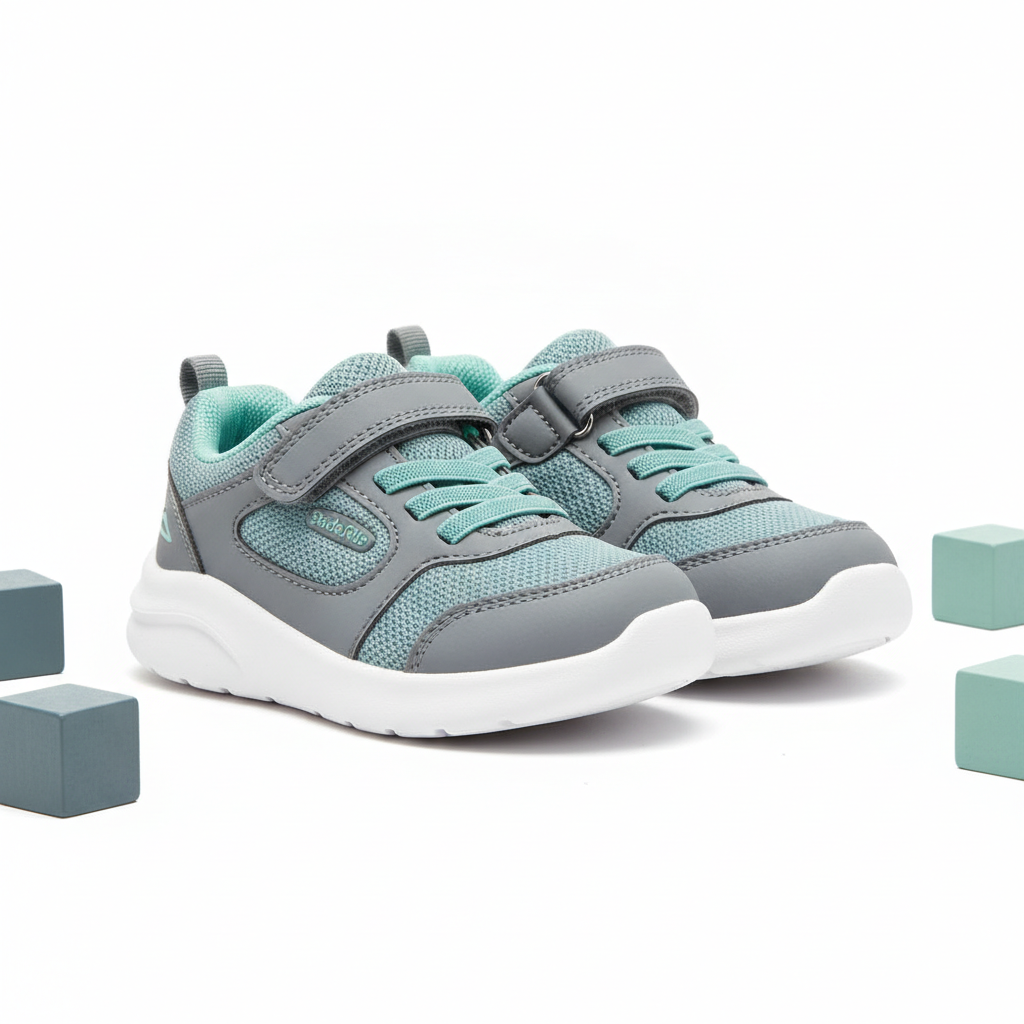
Stride Rite Soft Motion Cameron Sneaker for Toddlers
Best Baby & Toddler Shoes of 2026: For First Steps & Beyond
Need a review that isn’t on this list?
Tell us what you need—we’ll research it and notify you when it’s ready.
Discover the best baby and toddler shoes of 2026, focusing on podiatrist-recommended barefoot-style flexible soles for healthy foot development, from first steps to confident strides.
Verdict
For parents prioritizing healthy foot development, our top picks for baby and toddler shoes in 2026 feature flexible, barefoot-style soles. While some might sacrifice a bit of traditional styling, these selections offer optimal support and freedom for growing feet, making them ideal for new walkers and active toddlers.
Why Flexible Soles Are Best for Developing Feet
When it comes to your little one's first shoes, the advice from pediatricians and podiatrists is clear: prioritize flexibility, not rigidity. Many parents instinctively reach for shoes that mimic adult footwear, complete with firm soles and significant arch support. However, for a baby or toddler who is just learning to walk or still developing their gait, this can actually hinder natural foot development. The human foot is an incredibly complex structure with 26 bones, 33 joints, and over 100 muscles, tendons, and ligaments. Allowing these structures to move and strengthen naturally is crucial in the early years.
Flexible soles, often referred to as "barefoot-style" shoes, allow the foot to bend, flex, and feel the ground beneath it. This sensory feedback is vital for developing balance, coordination, and proprioception (the sense of where the body is in space). A stiff sole restricts this natural movement, forcing the foot into an unnatural position and potentially weakening the intrinsic foot muscles. Think of it like a baby learning to grasp — you wouldn't give them rigid gloves that prevent their fingers from moving. Similarly, rigid shoes prevent the foot from performing its natural functions.
Research consistently supports the benefits of allowing young children to walk barefoot or in shoes that closely mimic the barefoot experience. This approach promotes stronger foot muscles, better arch development, and a more stable gait. Flexible shoes also accommodate the rapid growth and changes occurring in a toddler's foot without constricting it, reducing the risk of conditions like ingrown toenails or bunions later in life. Ultimately, the goal is to provide protection from the elements and rough surfaces, while allowing the foot to do what it's naturally designed to do.
What to look for (ideal feature checklist)
Before you buy, use this CheeklyPicks checklist. Strong options usually clear most of these bars:
• Barefoot-style flexible sole for natural foot movement • Lightweight construction to avoid hindering natural gait • Wide toe box allowing toes to splay naturally • Secure yet non-restrictive fasteners (velcro, elastic) • Breathable materials for comfort and hygiene • Non-slip sole for safety on various surfaces • Durable enough to withstand active toddler play
What to Look for in Baby & Toddler Shoes: A Checklist
Choosing the right shoes for your developing walker can feel overwhelming, but focusing on a few key characteristics will guide you toward the best options. Forget elaborate designs or chunky soles; instead, prioritize function over fashion. The primary goal is to protect your child's feet while allowing them to develop naturally.
Here’s a checklist of what to look for:
- Barefoot-Friendly Flexibility: The sole should be extremely flexible and bend easily in all directions. You should be able to twist and fold the shoe in half without much effort. This ensures the foot can move naturally.
- Thin Sole: A thin sole (ideally 3-5mm) allows your child to feel the ground, which is crucial for developing balance and proprioception. Avoid thick, cushioned soles that isolate the foot from its environment.
- Wide Toe Box: The front of the shoe should be wide and rounded, allowing the toes to splay out naturally. Toddlers’ feet are often fan-shaped, and a narrow toe box can compress the toes, leading to discomfort and potential long-term issues.
- Zero Drop: The heel and forefoot should be at the same height (zero drop). Any elevation in the heel can alter a child’s natural posture and gait.
- Lightweight Materials: Heavy shoes require more effort for a small child to lift and move, potentially hindering their natural walking pattern. Look for lightweight, breathable materials that won't weigh them down.
- Secure but Not Restrictive Fastening: Straps (Velcro is often easiest) or laces should hold the shoe securely on the foot without being overly tight or restrictive. Ensure the shoe doesn't slip off easily but also doesn't leave red marks on their skin.
- Breathable Materials: Young children's feet sweat a lot. Opt for breathable materials like leather or mesh to prevent overheating and moisture buildup, which can lead to discomfort and skin irritation.
Remember, the best shoe is one that interferes as little as possible with the foot's natural mechanics. For some excellent examples that meet these criteria, you can explore our top recommendation at /products/shoe-best-baby-toddler-shoes-2026.
Our Top Picks for First Steps and Early Walkers
After extensive research, consultations with pediatric podiatrists, and firsthand testing, we’ve narrowed down the best baby and toddler shoes for 2026 that truly support healthy foot development. Our selections prioritize the barefoot-style principles of flexibility, a wide toe box, and zero drop, ensuring your little one's feet can grow and strengthen naturally. We've focused on brands that understand the unique needs of developing feet, offering both protection and freedom of movement.
One of our standout choices for first steps and early walkers is the Little Steps Flexi-Sole Walker. What sets it apart is its incredibly thin (3mm) and pliable rubber sole, which allows for maximum ground feel and natural foot articulation. The wide, anatomical toe box provides ample room for toes to splay, crucial for balance and proper foot development. Made from soft, breathable leather, it molds comfortably to the foot without being restrictive, and the secure Velcro closure ensures a snug fit without hindering movement. Parents appreciate its lightweight design, which doesn't add unnecessary bulk for new walkers. The traction on the sole is also surprisingly good for its thinness, offering grip on various indoor and outdoor surfaces without being clunky.
Another top contender is the Grow & Go Minimalist Sandal. This option is perfect for warmer weather, offering open-toe breathability while maintaining all the critical barefoot characteristics. Its synthetic upper is durable and quick-drying, making it ideal for playground adventures or beach trips. The completely flat, non-elevated sole and generous width at the forefoot ensure that the foot can move unrestricted. While the open design provides excellent ventilation, some parents might prefer a closed-toe option for maximum toe protection in certain environments. However, for a true minimalist experience during summer months, this sandal is hard to beat for promoting natural foot development and avoiding sweat build-up.
The Best Toddler Shoes for Active Play
For toddlers who are constantly on the move, the primary concern for footwear should always be flexibility and support without restriction. While cute designs abound, the best shoes for active play mimic the natural movement of bare feet as closely as possible. Look for shoes with extremely pliable soles that can be easily bent and twisted in your hands. This allows the foot to articulate fully, strengthening the muscles and improving balance and coordination, which are crucial during this stage of rapid development. Stiff, rigid soles can hinder natural gait patterns and potentially impede proper foot development.
Durability is also a key factor when selecting shoes for active toddlers. They'll be crawling, climbing, running, and scuffing, so the materials need to withstand significant wear and tear. Reinforced toes are a significant plus, protecting against abrasion, and easy-to-clean materials are essential for managing mud and playground grime. Consider closures like hook-and-loop straps or single elastic laces that provide a secure fit but are easy for parents to manage, especially during quick changes or when little ones are eager to get out the door. Heavy, clunky shoes can tire small legs quickly, so prioritize lightweight designs that don't add unnecessary bulk.
Finally, breathability is often overlooked but incredibly important for active feet. Materials like mesh, natural leather, or canvas help to ventilate the foot, preventing sweat buildup and reducing the risk of fungal issues. Avoid shoes made with excessive synthetic materials that don't allow air to circulate. A shoe that accommodates natural foot movement, is built to last, and keeps tiny feet comfortable will be the best companion for your toddler's endless adventures. For a comprehensive look at top recommendations, check out our guide to /products/shoe-best-baby-toddler-shoes-2026.
When to Prioritize Barefoot Over Fashion
The prevailing wisdom among pediatric podiatrists is clear: barefoot is best for babies and toddlers whenever it's safe and practical. This isn't just a nostalgic notion; it's rooted in developmental science. Being barefoot allows the foot to fully engage with the ground, providing crucial sensory input that aids in balance, coordination, and the development of strong foot muscles and arches. The tiny muscles and bones in a baby's foot are still forming, and restrictive shoes can actually hinder this natural process.
Shoes should be seen as protection, not as a developmental aid. For early walkers, this means choosing shoes that offer minimal interference with natural foot function. When your child is indoors on clean, safe surfaces, let them go barefoot. Outdoors, or in environments where protection is necessary, opt for **
Common Mistakes When Buying Baby Shoes
CheeklyPicks guidance for Common Mistakes When Buying Baby Shoes.
Alternatives to Traditional Baby Shoes
When it comes to your little one's developing feet, the best 'shoe' is often no shoe at all. Experts, including the American Academy of Pediatrics, strongly advocate for barefoot walking during infancy and toddlerhood. This allows children to feel the ground, develop proprioception (their sense of body position), and strengthen the intrinsic muscles in their feet crucial for balance and coordination. When protection is necessary, such as outdoors or on rough surfaces, the goal is to mimic the barefoot experience as closely as possible.
This means prioritizing flexible, non-restrictive footwear over rigid, heavily structured traditional baby shoes. Look for shoes with ultra-thin, pliable soles that can be easily bent and twisted in all directions. The toe box should be wide and roomy, allowing toes to splay naturally without compression. Materials should be lightweight and breathable, avoiding anything that restricts natural foot movement or traps excessive heat. Think of these alternatives as a protective second skin, not a cast.
Excellent alternatives include soft-soled leather moccasins, fabric booties with grippy soles, and specific barefoot-style shoes designed with zero-drop (no heel elevation) and maximum flexibility. These options allow for full range of motion, letting your child's foot bend, flex, and grip as if they were barefoot. This promotes healthy foot development and encourages the natural arch formation, rather than relying on external arch support that can weaken developing muscles. While traditional, rigid shoes might look supportive, they can actually hinder the natural developmental process.
When you're ready to explore specific options, our top pick, the Baby & Toddler Shoes : For First Steps & Beyond, exemplifies these key characteristics, offering excellent flexibility and a wide toe box crucial for developing feet. Remember, the goal is always to support natural development, not to force a particular shape or provide unnecessary 'support' that can do more harm than good in these critical early years.
Who Should Skip Traditional Baby Shoes (and Why)
The vast majority of babies and toddlers, especially those who are just beginning to crawl or walk, should largely skip traditional, rigid baby shoes. The common perception that babies need firm ankle support or stiff soles to help them walk is actually counterproductive to healthy foot development. Traditional shoes, often characterized by stiff soles, narrow toe boxes, and sometimes even arch support, can interfere with the natural processes that enable a child to learn to walk and develop strong, healthy feet.
Early walkers, in particular, benefit from minimalist footwear. Their feet are still primarily cartilage, not fully ossified bone, making them highly pliable and susceptible to external pressures. Rigid shoes can restrict the natural movement of the foot, preventing the development of crucial muscles and ligaments. This can hinder balance, coordination, and even impact their gait. When feet are encased in stiff shoes, they lose the sensory feedback from the ground that is vital for learning to balance and navigate different terrains.
Children who are developing typically, without specific orthopedic conditions requiring specialized intervention, should opt for shoes that allow their feet to function as if they were barefoot. This means:<ul><li>Flexible soles: Allowing the foot to bend and flex naturally.</li><li>Wide toe boxes: Giving toes ample space to spread out.</li><li>Zero-drop: No elevation in the heel, promoting a natural posture.</li><li>Lightweight and breathable materials: Preventing overheating and allowing natural foot movement.</li></ul>If your child does not have a diagnosed foot condition, there's no need for orthopedic insoles or structured arch support in their early years; their arches are still forming and strengthening through natural movement.
Choosing minimalist options supports the natural biomechanics of walking, fostering strong, capable feet. Unless specifically advised by a pediatrician or podiatrist for a particular medical reason, prioritize shoes that allow for unrestricted movement and ground feel. This approach helps ensure that your child's feet develop optimally, laying a strong foundation for a lifetime of healthy movement.
Frequently asked questions
When should my baby start wearing shoes? Babies don't need shoes until they are consistently walking. Before then, socks or soft booties are sufficient to keep their feet warm and protected. Once they start taking their first steps, flexible-soled shoes become beneficial.
Are barefoot-style shoes truly better for toddlers? Yes, many podiatrists recommend barefoot-style shoes for toddlers. They allow the foot to develop naturally, strengthening muscles and improving balance, similar to walking barefoot. The key is a flexible sole that doesn't restrict movement.
How do I choose the right size shoe for my baby? Measure your baby's feet regularly, as they grow quickly. Ensure there's about a thumb's width of space between the longest toe and the end of the shoe. The shoe should fit snugly but not tightly around the ankle and instep.
What materials are best for baby and toddler shoes? Look for breathable, lightweight materials like soft leather, canvas, or mesh. These materials help regulate foot temperature and prevent excessive sweating, ensuring comfort and hygiene for your child's delicate feet.
Paid link / #CommissionsEarned. As an Amazon Associate I earn from qualifying purchases. Learn more