Review · 14 min read · Updated 2026-08-06
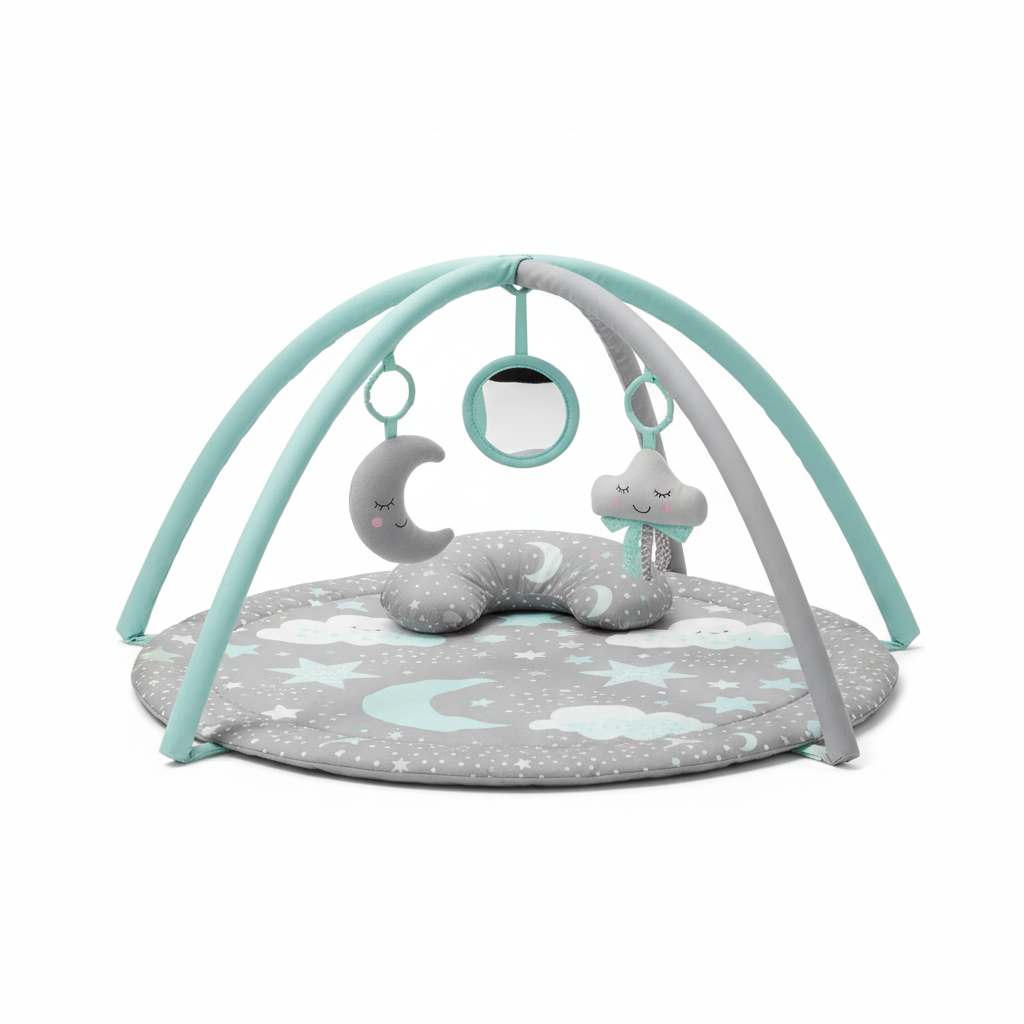
Skip Hop Tummy Time Mat
Best Baby Playmats of 2026: Foam Tile vs. Roll-Up, Compared
Need a review that isn’t on this list?
Tell us what you need—we’ll research it and notify you when it’s ready.
Discover the top baby playmats of 2026, comparing popular foam tile and roll-up options. We focus on safety, durability, and minimizing off-gassing, so your little one can play on the best surface.
Verdict
The best baby playmat for you will depend on your space, budget, and priority for portability versus a permanent play zone. While foam tiles offer customization and superior cushioning, be mindful of potential off-gassing, prioritizing certified materials. Roll-up mats are convenient for smaller spaces and travel, though they may offer less padding.
The Best Baby Playmats: Quick Picks
Choosing the best baby playmat for 2026 often comes down to balancing safety, durability, and practical features with your living space and budget. Our top picks reflect these priorities, ensuring a soft, stimulating, and hygienic environment for your little one's crucial developmental stages. When considering foam tile mats, we prioritize those made from XPE foam, known for its superior shock absorption and often lower incidence of off-gassing compared to traditional EVA. Look for certifications like GREENGUARD Gold or CPSIA compliance to ensure they meet stringent safety standards for VOCs and harmful chemicals. The initial
What to look for (ideal feature checklist)
Before you buy, use this CheeklyPicks checklist. Strong options usually clear most of these bars:
• Non-toxic and certified materials (e.g., Greenguard Gold, OEKO-TEX) • Adequate thickness for cushioning falls (at least 0.5 inches) • Easy to clean, waterproof surface • Non-slip bottom to prevent shifting • Durable and tear-resistant construction • Low to no detectable off-gassing on unboxing • Portable or easily storable design • Visually stimulating and age-appropriate patterns
Foam Tile vs. Roll-Up: What's Right For You?
The perennial debate between foam tile and roll-up playmats hinges on several key factors, primarily space, portability, and ease of cleaning. Foam tile mats offer unparalleled customization; you can configure them to fit irregular spaces, expand or shrink as needed, and replace individual damaged tiles. This modularity is a huge plus for families who need flexibility in their play area. However, the seams between tiles can become collecting points for crumbs and dust, making deep cleaning slightly more involved. The most significant complaint with foam mats, particularly upon unboxing, is the dreaded off-gassing smell. This is a real concern, and while it typically dissipates over a few days in a well-ventilated area, it's worth noting. To minimize this, prioritize mats made from virgin XPE foam (rather than recycled materials that might contain more impurities) and always check for certifications like GREENGUARD Gold, which specifically tests for VOC emissions. Some brands also pre-aerate their mats to reduce this issue. While a faint smell may still be present initially, it should not be overwhelming or persistent.
Roll-up playmats, conversely, are generally made from a single piece of material, often PVC-free PU or XPE foam with a laminated surface. Their primary advantage is portability and seamless, quick cleanup. A single wipe-down is usually sufficient, and they can be easily rolled up and stored away when not in use, making them ideal for smaller living spaces or for taking to grandma's house. However, their fixed size means less adaptability to different room configurations. While some roll-up mats can also have a slight initial odor, it's generally less pronounced than with some lower-quality foam tile options due to the different manufacturing processes and material density. The choice ultimately depends on your lifestyle: if you need a semi-permanent, customizable play zone, foam tiles are excellent, provided you select certified, high-quality options and allow for initial ventilation. If portability, ease of storage, and seamless cleaning are paramount, a roll-up mat will likely serve you better.
Key Features: What to Look For in a Safe Playmat
When investing in a baby playmat, safety should always be your number one priority, followed closely by durability and ease of maintenance. The materials used are critical; look for mats free from BPA, phthalates, lead, latex, formaldehyde, and other harmful chemicals. Certifications like CPSIA (Consumer Product Safety Improvement Act) are non-negotiable for products sold in the US, ensuring they meet rigorous safety standards. Beyond this, GREENGUARD Gold certification is a gold standard, specifically indicating low chemical emissions and improving air quality, which directly addresses the off-gassing concern prevalent with foam products. Many parents also appreciate hypoallergenic and non-toxic claims, especially for babies with sensitive skin or allergies.
Thickness and density are also crucial for safety and comfort. A playmat should be thick enough (typically 0.5 to 1 inch) to provide adequate cushioning against bumps and falls, especially as your baby learns to sit up and crawl. However, a thicker mat isn't always better if it's too soft, as this can impede gross motor development and make it harder for babies to push up or roll. Look for a balance that offers firm support with a soft, forgiving surface. The mat's surface texture is another important consideration: a non-slip surface is essential to prevent accidents, both for the baby crawling and for parents walking on it. Many mats feature subtle textures or embossed patterns that provide grip without being abrasive.
Finally, think about how easy the mat is to clean and maintain. Babies are messy, so a playmat that can be easily wiped down with a damp cloth is invaluable. Look for waterproof or water-resistant surfaces that repel spills and prevent mold and mildew growth. For a more comprehensive developmental experience, consider pairing your chosen playmat with an activity gym, such as those reviewed in our [/reviews/lovevery-play-gym-review]Lovevery Play Gym Review, which can integrate seamlessly into the play space created by your mat.
Off-Gassing & Material Safety: What Parents Need to Know
One of the most frequent concerns and immediate sensory experiences parents report with new foam playmats is a distinct "new product" smell, commonly known as off-gassing. This is due to volatile organic compounds (VOCs) released from materials during manufacturing. While most reputable brands strive to minimize VOCs, it's an unavoidable initial characteristic for many foam products. For your baby's health and your peace of mind, prioritize mats made from non-toxic materials and those that meet stringent safety standards. Look for certifications like GREENGUARD Gold, which ensures products have low chemical emissions, or mats explicitly stating they are free from BPA, phthalates, lead, latex, formaldehyde, and formamide.
To mitigate off-gassing, unpack your new foam playmat in a well-ventilated area, such as a garage or outdoors, for at least 24 to 48 hours before bringing it into your baby's play space. This allows the majority of VOCs to dissipate. While some brands claim "no odor," a slight smell is still possible; proper ventilation is always the best first step. Roll-up mats, often made from TPU (thermoplastic polyurethane) or PVC (polyvinyl chloride, though less recommended due to potential phthalates), generally exhibit less off-gassing than their foam tile counterparts due to different manufacturing processes and material compositions. However, even with roll-up mats, an initial airing out is a good practice.
Always check the product description for specific material details. Mats made from high-density XPE foam or TPU are generally considered safer and more durable than cheaper EVA foam options, which are more prone to off-gassing and potential material degradation over time. Investing in a certified, high-quality mat not only offers better protection for your baby but also ensures a more pleasant and worry-free play environment from day one. Remember, while a new smell can be alarming, following ventilation guidelines and choosing certified products significantly reduces any potential risks associated with off-gassing.
Cleaning and Maintenance Tips for Playmats
Keeping your baby's playmat clean is essential for hygiene, especially given how often little ones interact with the surface – from tummy time drool to snack crumbs. The good news is that most modern baby playmats, whether foam tiles or roll-up styles, are designed for easy cleaning. For everyday spills and messes, a simple wipe-down with a damp cloth and mild soap or a baby-safe cleaner is usually sufficient. Avoid harsh chemicals, abrasive scrubbers, or bleach, as these can degrade the mat's material, fade colors, or leave residues that could be harmful to your baby.
For foam tile mats, pay attention to the seams where liquid or crumbs can accumulate. Regularly disassembling and cleaning individual tiles can prevent mold or mildew growth, especially if spills aren't immediately addressed. While most foam mats are water-resistant, they are not usually waterproof, meaning prolonged exposure to liquids can seep into the foam, leading to odors or damage. Roll-up mats, often featuring a single, continuous surface, tend to be more genuinely waterproof and easier to wipe clean without worrying about liquids seeping between gaps. Their smooth surface also means fewer crevices for dirt and grime to hide.
Beyond daily wiping, consider a deeper clean every few weeks or as needed. This might involve using a diluted vinegar solution (1 part vinegar to 1 part water) for its natural disinfecting properties, followed by a thorough wipe with clean water. Always ensure the mat is completely dry before reassembling or rolling it up to prevent bacterial growth. Regular maintenance not only extends the life of your playmat but also ensures a consistently clean and safe space for your baby to explore, crawl, and play. Proper care is key to making your investment last through the toddler years.
Are Playmats Worth It? Alternatives to Consider
For many parents, a dedicated baby playmat is an indispensable item, offering a safe, cushioned, and stimulating surface for tummy time, crawling practice, and independent play. They provide crucial protection against hard floors, insulate from cold surfaces, and often feature engaging designs that promote sensory development. The defined play zone helps contain toys and keeps baby engaged, making it easier for parents to supervise. For families with active babies or those with hard flooring throughout their homes, a high-quality playmat is often seen as a worthy investment that provides both peace of mind and practical benefits for years.
However, playmats aren't the only option, and their worth can depend on your specific needs, living space, and budget. For instance, if you have a generously carpeted home, the primary benefit of cushioning might be less critical, though a playmat can still offer a designated, easy-to-clean play zone. Some parents opt for large area rugs as an alternative, which can cover a significant space, offer some cushioning, and integrate more seamlessly into home decor. While rugs don't offer the same level of wipe-clean convenience as most playmats, they can be a stylish and comfortable solution.
Another alternative is a play yard or playpen with an integrated padded bottom. Products like the Lovevery Play Gym Review (2026): Worth the Price for Newborns? offer a contained play space with a built-in mat and overhead activity bar, serving a dual purpose. While more confining, a play yard can be excellent for creating a safe zone, especially when parents need to step away briefly. Ultimately, the decision to invest in a playmat comes down to prioritizing safety, cleanliness, cushioning, and dedicated play space. For many, the benefits of a well-chosen playmat outweigh the alternatives, providing an optimal environment for early childhood development.
Who Should Skip a Dedicated Playmat?
While a playmat is a fantastic investment for most families, especially for providing a safe and stimulating surface for infant development, there are certain situations where you might find it an unnecessary addition. If your home already boasts extensive soft, clean carpeting in the primary play areas, a dedicated playmat might be redundant. While carpeting offers some cushioning, it often lacks the waterproof and easy-to-clean properties of most playmats, which are invaluable during spit-up, diaper leaks, or messy snack times as your baby grows. Consider if your carpeted areas are truly suitable for all stages of play, including tummy time, crawling, and eventually, independent exploration that might involve spills.
Another scenario where you might skip a standalone playmat is if you've already invested in a robust play gym or activity center that includes a substantial padded base. Products like the Lovevery Play Gym (read our full review here: [/reviews/lovevery-play-gym-review]) or the Lalo Play Gym II often feature integrated, well-cushioned mats designed to support infant milestones from birth. These systems are typically all-in-one solutions that prioritize developmental features, and their included mats are usually sufficient for early infant play. However, as your child becomes more mobile and starts to explore beyond the immediate footprint of the gym, you might still find yourself wishing for a larger, dedicated mat to contain their adventures and protect your flooring.
Ultimately, the decision hinges on your existing home setup, your baby's age and developmental stage, and your budget. If you have limited space and already have a comfortable, easily cleaned surface, or a play gym with an integrated mat that meets your needs for the first several months, you might prioritize other baby gear. However, for most parents seeking a hygienic, safe, and easily maintained dedicated play zone that can grow with their child, a good playmat remains a highly recommended purchase.
FAQ: Baby Playmat Questions Answered
Q: Is the off-gassing smell from foam playmats dangerous for my baby?
A: It's the #1 real complaint we hear about foam playmats upon unboxing: an initial chemical-like smell, often referred to as off-gassing. This is typically due to Volatile Organic Compounds (VOCs) released from the materials, particularly new EVA foam. While the levels are usually low and dissipate quickly, prolonged exposure to high levels of some VOCs can be a concern. To minimize this, we strongly recommend unboxing and airing out any new foam playmat in a well-ventilated area for at least 24-48 hours before your baby uses it. Look for mats certified by third-party organizations like Greenguard Gold or those made from food-grade EVA foam or other non-toxic materials. These certifications indicate that the product has been tested for low chemical emissions, offering greater peace of mind.
Q: How do I clean a baby playmat effectively?
A: The cleaning method depends on the material. Foam tile playmats are generally the easiest to clean. For everyday spills and dirt, a simple wipe-down with a damp cloth and mild soap is usually sufficient. Avoid harsh chemical cleaners, as they can damage the foam and potentially leave residues harmful to your baby. For more stubborn messes, a mixture of water and white vinegar can be effective. Ensure the mat is completely dry before reassembling or storing to prevent mold and mildew. Roll-up playmats, especially those made from PVC, TPU, or XPE foam with a laminated surface, are equally simple – a quick wipe with a wet cloth is often all that's needed. For fabric-based mats, always check the manufacturer's instructions, as some may be machine washable while others require spot cleaning. Always avoid submerging foam mats in water.
Q: How long will my baby use a playmat?
A: A good playmat is surprisingly versatile and can be used for a much longer period than many parents anticipate. From the newborn stage for tummy time and visual stimulation, through sitting and crawling, a playmat provides a safe, padded surface for motor skill development. As your child transitions to a toddler, the mat continues to be valuable for independent play, building with blocks, reading, or even as a clean surface for messy art projects. Many families find their playmat remains a central part of their play space well into the preschool years, often serving as a dedicated zone for imaginative play or quiet activities. Investing in a durable, easy-to-clean mat with a versatile design ensures it will adapt to your child's evolving needs for years to come.
Related CheeklyPicks guides & reviews
Keep researching with these CheeklyPicks pages—each one answers a related buying question without repeating the same thin affiliate fluff:
Frequently asked questions
What is 'off-gassing' in baby playmats? Off-gassing refers to the release of volatile organic compounds (VOCs) from products, often detected as a chemical smell. With baby playmats, especially foam ones, it's a common concern upon unboxing. Opting for mats with certifications like Greenguard Gold or OEKO-TEX can help minimize exposure to harmful VOCs.
How thick should a baby playmat be? For optimal safety and cushioning, a baby playmat should ideally be at least 0.5 inches (1.2 cm) thick. Thicker mats provide better protection against bumps and falls, especially as babies learn to sit up and crawl. Always check the product specifications for thickness.
Are all foam playmats safe? Not all foam playmats are created equal in terms of safety. While many are safe, some can contain harmful chemicals or emit high levels of VOCs. Look for mats made from non-toxic materials like EVA foam or XPE foam, and always prioritize those with third-party safety certifications to ensure they meet stringent health standards.
How do I clean a baby playmat? Most baby playmats are designed for easy cleaning. For daily maintenance, a simple wipe-down with a damp cloth and mild soap is usually sufficient. For tougher messes, check the manufacturer's instructions, but generally, avoid harsh chemicals that could damage the material or leave residues. Ensure the mat is completely dry before storing or allowing your baby to play on it.
Paid link / #CommissionsEarned. As an Amazon Associate I earn from qualifying purchases. Learn more