Review · 14 min read · Updated 2026-08-06
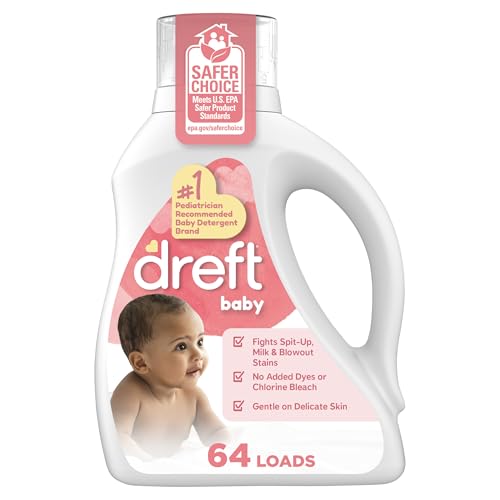
Dreft Baby Liquid Laundry Detergent
Best Baby Laundry Detergents of 2026: Gentle & Genuinely Stain-Fighting
Need a review that isn’t on this list?
Tell us what you need—we’ll research it and notify you when it’s ready.
Find the best baby laundry detergents of 2026 that are tough on stains but gentle on delicate skin. We highlight formulas safe for cloth diapers, avoiding common pitfalls.
Verdict
This guide is for parents seeking effective, skin-friendly detergents, particularly those using cloth diapers. It balances powerful stain removal with ingredient safety, ensuring you don't inadvertently harm your baby's skin or your eco-friendly diapering system.
The Best Baby Laundry Detergents of 2026
Choosing the right laundry detergent for your baby's clothes goes beyond just getting them clean; it’s about protecting their delicate skin and tackling those inevitable, tough baby stains without harsh chemicals. In our 2026 roundup, we’ve rigorously evaluated numerous formulas based on their effectiveness against common messes like spit-up and pureed carrots, their hypoallergenic properties, and their ingredient transparency. Our top picks prioritize plant-derived cleansers and steer clear of dyes, artificial fragrances, phthalates, and optical brighteners, which can irritate sensitive skin and even contribute to environmental concerns.
Our leading contender for 2026 is a standout for its dual power: genuinely tough on stains while being incredibly gentle. It effectively lifts dried milk, purees, and even diaper blowouts without requiring pre-treatment in many cases, making laundry day less of a chore. We paid close attention to user feedback regarding skin reactions, and this detergent consistently received high marks for preventing rashes and irritation, even for babies prone to eczema. Its subtle, natural scent (or completely unscented option) was also a significant plus for parents wanting to avoid overpowering fragrances.
Another strong performer earned its spot for its remarkable ability to rinse clean, leaving no residue behind. This is particularly crucial for baby clothes, as detergent residue can lead to stiffness or skin irritation over time. While slightly more expensive per load, its concentrated formula means a little goes a long way, offering good value in the long run. We also considered detergents with easy-to-pour spouts and clear measuring lines, recognizing that convenience plays a major role for busy parents. Ultimately, the best baby laundry detergent offers a perfect balance of potent cleaning and pure, skin-safe ingredients.
What to look for (ideal feature checklist)
Before you buy, use this CheeklyPicks checklist. Strong options usually clear most of these bars:
• Hypoallergenic and dermatologist-tested • Free from dyes, phosphates, and artificial brighteners • Effective on common baby stains (milk, spit-up, purees) • Safe for sensitive skin and eczema-prone babies • Cloth diaper safe formula (free of optical brighteners, fabric softeners) • Concentrated formula for fewer washes • Readily biodegradable ingredients
What to Look for in a Baby Laundry Detergent: Your Checklist
When you're shopping for baby laundry detergent, it's easy to get overwhelmed by marketing claims. To cut through the noise, focus on a few key characteristics that truly matter for your baby's well-being and the longevity of their clothes. First and foremost, hypoallergenic and dermatologically tested formulas are crucial. Look for certifications that indicate the product has been tested on sensitive skin and is free from common irritants. Avoid detergents with strong artificial fragrances, dyes, and optical brighteners, as these are frequent culprits behind skin reactions in infants.
Next, consider the ingredient list. Prioritize plant-based or mineral-derived cleaning agents over harsh chemicals. Transparency is key here – brands that clearly list all their ingredients, rather than using vague terms like "surfactants," are often more trustworthy. Seek out detergents that are free of phthalates, parabens, and 1,4-dioxane. Effective stain-fighting capabilities are also non-negotiable; baby clothes are magnets for messes. Look for natural enzyme blends that break down protein and sugar stains without relying on harsh bleaches or strong solvents. While some detergents excel at stain removal, ensure they do so gently. For more in-depth reviews of individual products, consider our Grab Green Baby Laundry Detergent Review (2026) for a detailed breakdown of its features.
Finally, think about environmental impact and ease of use. Many parents prefer eco-friendly detergents that are biodegradable and come in recyclable packaging. Concentrated formulas reduce packaging waste and often provide more loads per bottle, offering better value. A convenient measuring system or pre-portioned pods can also simplify laundry routines. While pods offer convenience, ensure they are specifically designed for baby laundry and dissolve completely without leaving residue. The ideal baby laundry detergent strikes a balance between being gentle on skin, tough on stains, and mindful of the planet.
Why Cloth Diaper Safety Matters
For parents committed to using cloth diapers, selecting the right laundry detergent isn't just about cleaning; it's about preserving the absorbency and integrity of the diapers themselves. Many conventional and even some
Stain-Fighting Power vs. Gentle Formulations
Finding a baby laundry detergent that effectively tackles the inevitable blowouts and food stains without irritating delicate skin is a perennial challenge for parents. Many conventional detergents achieve their stain-fighting prowess through harsh enzymes, brighteners, and fragrances that, while effective, can trigger allergic reactions, eczema flare-ups, or contact dermatitis in infants. The key lies in understanding the balance: genuinely effective baby detergents often employ plant-derived enzymes and surfactants that are robust against organic stains like milk, purees, and even diaper mishaps, but are formulated to rinse cleanly and leave no irritating residues.
When evaluating a detergent's
Ingredients to Avoid in Baby Detergents
Navigating the ingredient lists of baby laundry detergents can feel like deciphering a complex chemical formula. To ensure you're choosing the safest option for your little one, it's crucial to be aware of common additives that can cause irritation or pose other concerns. First and foremost, avoid dyes and artificial fragrances. These are among the leading culprits for skin sensitivities and allergic reactions in infants. While a fresh scent might be appealing, it's often achieved through synthetic compounds that can linger on fabrics and irritate respiratory systems or delicate skin. Opt for fragrance-free or naturally scented options, ideally with essential oils known for their mildness if you prefer a scent at all.
Beyond fragrances and dyes, keep an eye out for optical brighteners (OBAs). These chemicals work by making fabrics appear whiter and brighter under certain light by converting UV light into visible blue light. While they don't clean clothes, they leave a residue that can be a skin irritant and are particularly problematic for cloth diapers as they can reduce absorbency and trap odors over time. Similarly, harsh sulfates (like sodium lauryl sulfate, or SLS) should generally be avoided; while they are powerful surfactants, they can be drying and irritating to sensitive skin. For parents using cloth diapers, it's also vital to ensure the detergent is free from fabric softeners and petroleum-based additives. These can coat the diaper fibers, leading to reduced absorbency, repelling liquids, and trapping ammonia smells, ultimately compromising the effectiveness and longevity of your cloth diaper stash. For more insights on suitable options, check out our guide to
Detergent Alternatives and When to Consider Them
While specialized baby laundry detergents are often the go-to, there are situations where alternative cleaning methods or specific product types might be more appropriate. For instance, some parents opt for soap nuts (soap berries), a natural, hypoallergenic, and biodegradable alternative derived from the shells of the Sapindus mukorossi tree. When agitated in water, they release saponin, a natural surfactant that cleans clothes. They are generally very gentle, excellent for sensitive skin, and inherently safe for cloth diapers because they don't contain harsh chemicals or fabric softeners. However, their stain-fighting power can be less robust than enzymatic detergents, making them better suited for lightly soiled items or as an additive to boost a milder detergent.
Another alternative worth considering is borax-free washing soda or baking soda. These can be added to your wash cycle to boost cleaning power, neutralize odors, and soften water, which can enhance the effectiveness of your primary detergent. Baking soda is particularly useful for pre-soaking heavily soiled items to loosen stains and eliminate stubborn smells before a regular wash. However, using too much of these can lead to residue build-up, so moderation is key. For those with extremely sensitive babies or specific skin conditions like severe eczema, even
Who Should Skip Regular Laundry Detergent for Baby Clothes?
While it might seem like an extra expense or an unnecessary niche product, choosing a dedicated baby laundry detergent is a smart move for several reasons, primarily concerning your baby's delicate skin and the unique challenges of baby laundry. Infants and toddlers often have sensitive skin prone to irritation, eczema, or contact dermatitis. Regular detergents, even those marketed as "free and clear," can contain enzymes, brighteners, and fragrances that are generally fine for adult skin but can be harsh on a baby's developing epidermal barrier. Baby-specific formulas are meticulously crafted to be hypoallergenic, often plant-derived, and free from common irritants, providing a much gentler clean that reduces the risk of skin reactions.
Beyond skin sensitivity, baby laundry presents specific stain challenges. Think spit-up, blowouts, and pureed food explosions – these aren't your typical grass stains! Many baby detergents are formulated with effective yet gentle stain-fighting agents designed to tackle protein-based and organic messes without harsh chemicals. This means you’re not just getting a mild detergent; you’re also getting one that's genuinely effective at keeping those adorable onesies looking fresh without pre-treating every single item. This dual benefit of gentleness and efficacy is where specialized baby detergents truly shine, saving parents time and preserving baby clothes.
However, a crucial consideration, often overlooked, is if you use cloth diapers. Not all baby detergents are safe for cloth diapers, a significant gotcha for eco-conscious parents. Many seemingly gentle baby detergents contain optical brighteners, fabric softeners, or even certain enzymes that can build up on cloth diaper fibers. This build-up can lead to repelling issues (meaning diapers leak) or reduce absorbency over time, effectively ruining your investment in reusable diapers. For this reason, if you're committed to cloth diapering, it's absolutely essential to seek out detergents specifically labeled as "cloth diaper safe" or to verify their suitability with the diaper manufacturer's recommendations. This often means avoiding detergents with added softeners or strong synthetic fragrances to ensure your diapers remain absorbent and functional. For more information on reusable options, check out our guide on the Best Cloth Diapers of 2026: Eco-Friendly Picks That Actually Work.
Our Top Picks for 2026
Navigating the world of baby laundry detergents can be overwhelming, with countless options promising gentleness and stain-fighting power. For 2026, we've focused on formulations that truly deliver on both fronts, prioritizing ingredients lists that are transparent, effective against common baby messes, and considerate of sensitive skin. Our selections consider not only cleaning prowess but also value, scent profiles (or lack thereof), and how easily they integrate into a busy household's routine. We understand that parents need a detergent that works reliably without causing skin issues or requiring extensive pre-treatment, making daily laundry less of a chore.
Key criteria for our top picks included hypoallergenic formulations free from dyes, phosphates, phthalates, and harsh chemical brighteners. We also paid close attention to how well these detergents performed on various types of baby stains, from formula residue and pureed carrots to those inevitable diaper leaks. A significant factor in our evaluation was also the brand's commitment to ingredient transparency, allowing parents to make informed choices. While some detergents excel at being incredibly mild, they might lack the punch needed for tougher stains; conversely, some powerful cleaners might use ingredients less ideal for the most sensitive skin. Our selections aim to strike an optimal balance.
For parents using cloth diapers, we've made a concerted effort to highlight detergents that are explicitly safe for reusable fabrics. This means avoiding ingredients like fabric softeners, certain enzymes, and optical brighteners that can compromise absorbency and lead to build-up. It's a critical distinction, as many otherwise excellent "baby safe" detergents are not suitable for cloth diaper laundry. Our recommendations include options that have been thoroughly tested and approved by the cloth diapering community, ensuring they clean effectively without damaging the diaper's integrity or performance. We prioritize options that leave diapers genuinely clean and free-rinsing, maintaining their longevity and efficacy over many washes.
Related CheeklyPicks guides & reviews
Keep researching with these CheeklyPicks pages—each one answers a related buying question without repeating the same thin affiliate fluff:
Frequently asked questions
What makes a laundry detergent 'baby safe'? Baby-safe laundry detergents are typically free from harsh chemicals, dyes, and fragrances that can irritate sensitive skin. They are often hypoallergenic and dermatologist-tested to minimize the risk of allergic reactions or eczema flare-ups in infants.
Can I use regular laundry detergent for baby clothes? While some babies may tolerate regular detergent, it's generally recommended to use a baby-specific formula. Regular detergents often contain strong fragrances, optical brighteners, and harsh surfactants that can be too irritating for a baby's delicate skin, leading to rashes or discomfort.
Why do some 'baby' detergents harm cloth diapers? Some seemingly 'baby-safe' detergents contain ingredients like fabric softeners, optical brighteners, or enzymes that can build up on cloth diaper fibers. This build-up can reduce the diaper's absorbency and even cause repelling, making them less effective and potentially leading to leaks.
How do I choose a baby detergent if my child has eczema? For babies with eczema, prioritize detergents that are explicitly labeled 'free and clear,' 'hypoallergenic,' or 'for sensitive skin.' Look for formulas that are completely free of dyes, fragrances, and any harsh chemicals, as these are common triggers for eczema flare-ups.
Paid link / #CommissionsEarned. As an Amazon Associate I earn from qualifying purchases. Learn more